 how-to
Maximizing Returns on Heavy Equipment Consignment
Table of Contents
- Why Heavy Equipment Consignment Outperforms Auctions
- How to Determine Fair Market Value for Used Construction Equipment
- Step 1: Prepare Your Equipment for Maximum Appeal
- Step 2: Gather and Organize Equipment Maintenance Records for Resale
- Step 3: Understand Your Heavy Equipment Consignment Agreement
- Step 4: Select the Right Consignment Dealer and Monitor Your Sale
- How Fleet Management Protects Long-Term Equipment Value
- Conclusion
- Frequently Asked Questions
Last Updated: October 18, 2026
Why Heavy Equipment Consignment Outperforms Auctions
Heavy equipment consignment offers distinct advantages over auction-based sales.
Auctions rely on speed and volume. Bidders compete in real-time, often driving prices down, and the pressure to sell quickly means your equipment may not reach buyers who value it most.
Fleet management plays a crucial role here.
The consignment model also reduces risk. You retain ownership until the sale closes and aren't stuck with unsold inventory after an auction ends.
How to Determine Fair Market Value for Used Construction Equipment
Fair market value is not a single number, it is a range built from equipment-specific factors, regional demand, and verifiable data. Sellers who understand valuation net more from consignment because they set realistic reserves and recognize a strong offer.
Equipment-specific factors that move value
Generic advice about age and hours misses the variables that separate a premium machine from an average one:
- Make and model tier: Tier-1 brands with strong parts availability and dealer networks hold value better than orphaned models. A buyer comparing two excavators of similar hours will pay more for the one whose dealer network can service it locally.
- Year and emissions tier: Machines that meet current emissions standards avoid the retrofit and permitting burden that older units carry in some jurisdictions. Buyers factor compliance cost into their offer.
- Hours versus application: 5,000 hours of highway trucking is not the same as 5,000 hours of rock excavation. Ask your dealer to weight hours by application type, not just total meter reading.
- Attachments and configuration: A machine sold with multiple buckets, a thumb, a quick coupler, or a specialty attachment package commands a premium over a bare unit. Document every attachment and its condition.
- Service history quality: Complete, chronological records with parts numbers and technician notes are worth more than a stack of undated receipts. Buyers and lenders treat documented preventive maintenance as a risk reducer.
- Condition grade: Undercarriage wear, hydraulic component hours, tire or track remaining life, and structural cracks are the items inspectors price first. A pre-sale inspection report that grades these items gives buyers confidence and shortens time to sale.
- Regional demand: The same machine may be in high demand in one region and a slow mover in another. Your dealer's buyer network and recent comparable sales in your region are the best signal.
Where to get real comparable data
Build a comparable set from multiple sources:
- Dealer asking prices for similar make, model, year, and hours in your region, asking prices are a ceiling, not a sale price.
- Auction results for comparable units, these show the floor and reveal how much the auction channel discounts versus retail.
- Your consignment dealer's recent sold data, ask for completed sales, not active listings. A dealer who shares sold comps is showing you their real market read.
- Appraisal or inspection reports for high-value units, a professional appraisal protects you from underpricing and gives your dealer a defensible reserve.
Set a reserve from the range, not a single number
Once you have a comparable range, set your reserve where the machine would still sell within your consignment period if demand is average. A reserve at the top protects upside but risks a stale listing; one at the bottom sells fast but leaves money on the table. Most practitioners set the reserve near the midpoint and give the dealer authority to negotiate within a defined band.
Why this matters more in consignment than auction
At auction, the market sets the price in a single day and you live with the result. In consignment, your valuation work determines the reserve, listing price, and negotiation band, which is why fleet managers who track condition and maintenance data consistently price better than sellers working from memory.
Step 1: Prepare Your Equipment for Maximum Appeal
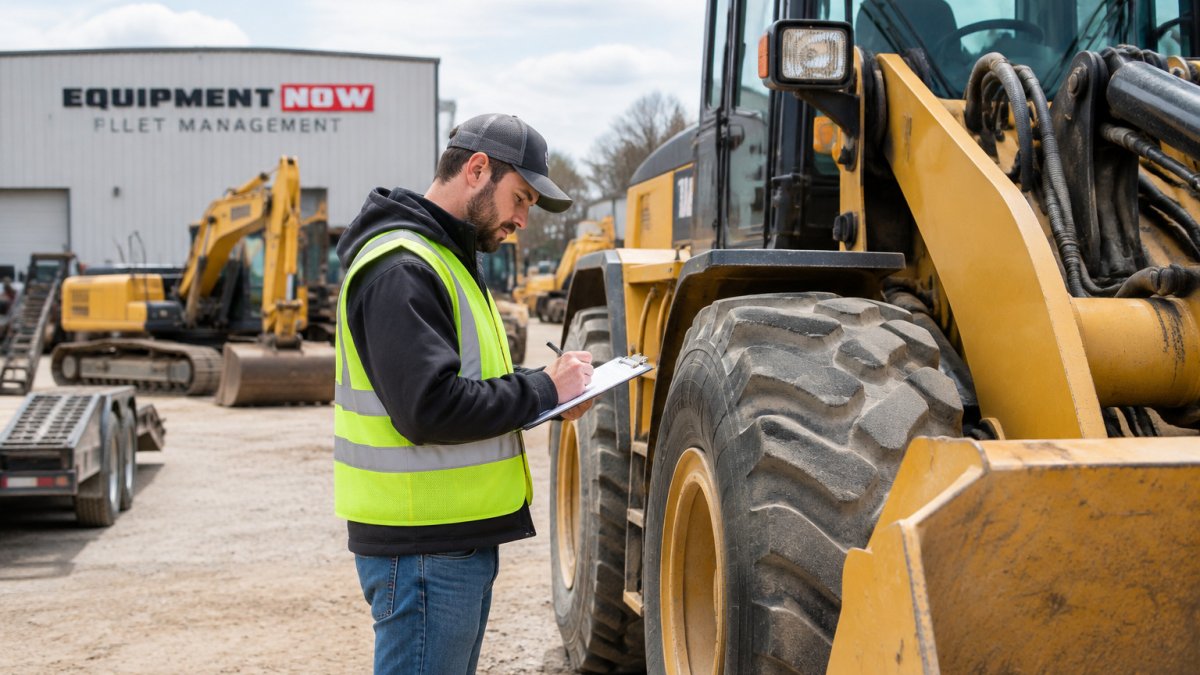
Clean equipment sells faster and for more money. Dirt, grease, and rust signal poor maintenance, so wash and detail your machinery to make it look cared for and reliable.
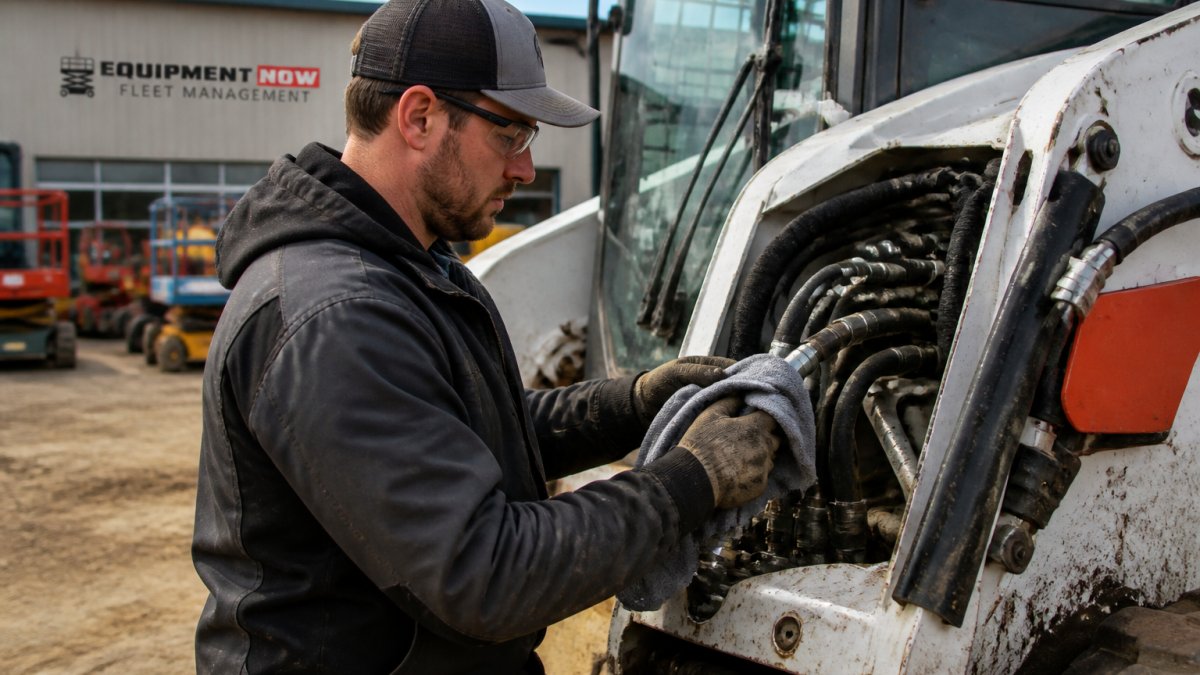
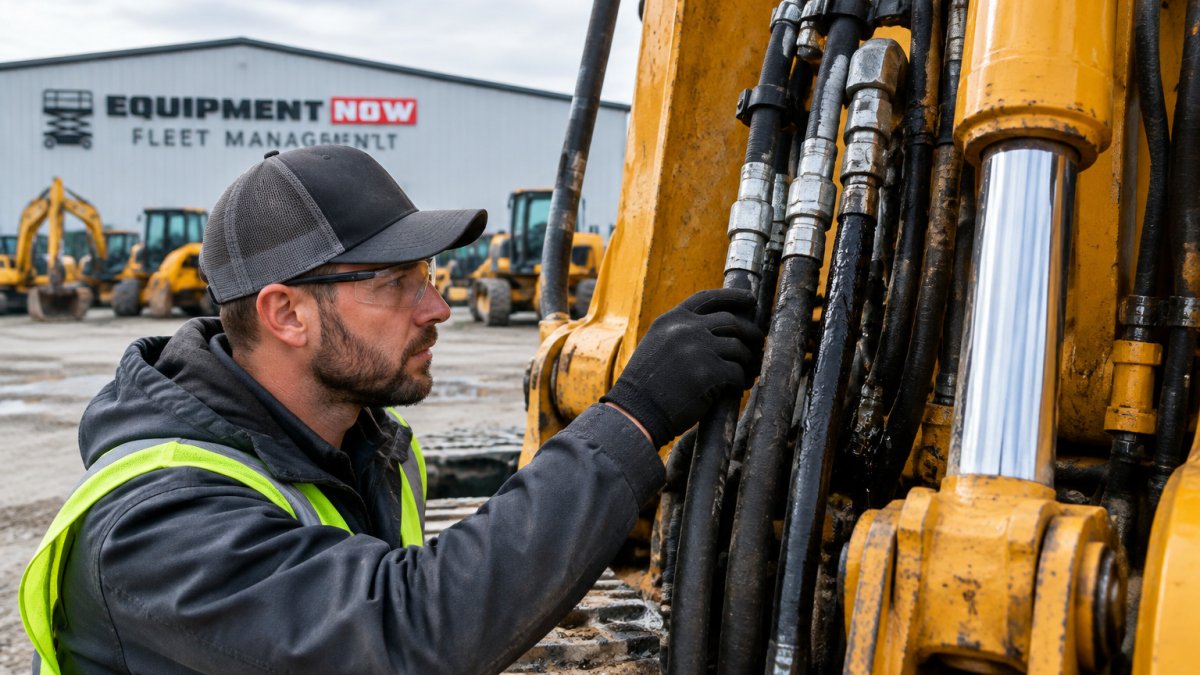
Address obvious mechanical issues before consignment. Leaking hydraulics, worn tires, or broken lights reduce value. Small repairs now prevent larger price cuts later.
Minor cosmetic improvements pay dividends.
Document the condition with clear photos from multiple angles, showing the equipment running if possible.
Step 2: Gather and Organize Equipment Maintenance Records for Resale
Maintenance records are your strongest selling tool. They prove the equipment received proper care. Buyers trust machinery with documented service history far more than unmarked equipment.
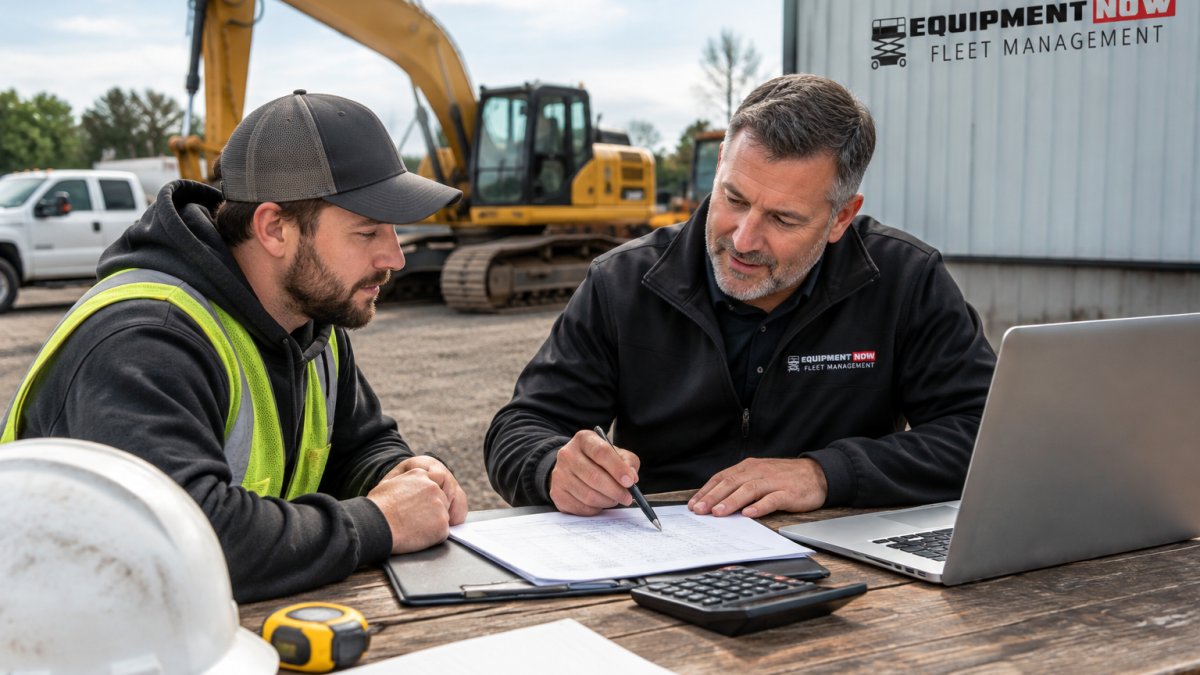
Compile all service logs, repair receipts, and maintenance schedules. Organize them chronologically. Create a simple document listing:
- Service dates and what was performed
- Parts replaced or repaired
- Technician or shop name
- Total operating hours at each service interval
This organized history reassures buyers. It shows patterns of consistent care. Equipment with gaps in records raises questions about neglect or hidden damage.
Include warranty information and original purchase documentation if available. These papers add credibility and establish the equipment's lineage and authenticity.
Digital copies work best.
Step 3: Understand Your Heavy Equipment Consignment Agreement
A consignment agreement is your protection. Read every line before signing. This contract defines your relationship with the dealer and protects your interests.
Key terms to understand:
- Commission rate: What percentage does the dealer keep from the sale?
- Consignment period: How long will the dealer try to sell your equipment?
- Reserve price: Can you set a minimum acceptable price?
- Payment timeline: When do you receive your proceeds after a sale?
- Liability and insurance: Who covers damage while equipment is at the dealer?
Ask about the dealer's marketing plan. How will they promote your equipment? Will it appear online, in showrooms, or both?
Understand what happens if the equipment doesn't sell. Some dealers return unsold machinery after 90 days; others extend the consignment period. Know the terms upfront.
Request clarity on any confusing language.
Step 4: Select the Right Consignment Dealer and Monitor Your Sale
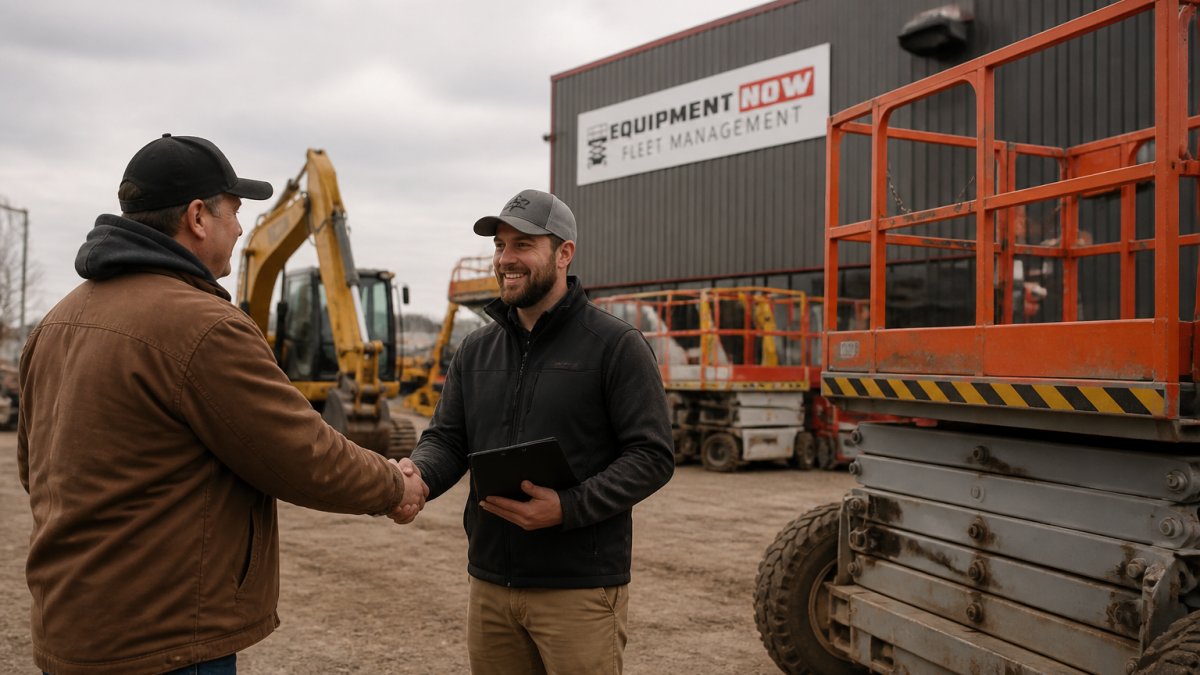
Dealer selection is where most sellers leave money on the table. The right partner markets actively, prices honestly, and protects your equipment; the wrong one lets your machine age in a back row while telling you the market is soft. Use a structured comparison rather than a gut call.
Compare dealers on contract terms, not just personality
Ask every candidate dealer for a written consignment agreement and compare the same terms side by side:
- Commission structure: Is commission a flat percentage of sale price, a sliding scale, or a minimum fee? Ask whether commission is calculated before or after repairs and transport, because that difference changes your net.
- Exclusivity: Can you list the equipment elsewhere while it is consigned? Exclusive agreements are common but should come with a defined marketing commitment.
- Reserve price and negotiation authority: Can you set a reserve, and what band of negotiation authority does the dealer have below it? Get the reserve and the band in writing.
- Consignment period and cancellation: How long is the term, what notice is required to cancel, and who pays transport if you pull the equipment early?
- Payment timeline: When are proceeds released after a sale closes, at signing, at funding, or after buyer pickup? Ask what happens if the buyer's financing falls through.
- Insurance and damage responsibility: Who insures the equipment while it is on the dealer's lot, at what coverage level, and who is responsible for damage, theft, or weather loss? Request a certificate of insurance.
- Storage and care obligations: Is the equipment stored inside or outside, and who performs startup and movement to prevent seals and batteries from degrading?
Verify the dealer's track record with sold data
Ask for completed sales of comparable equipment from the last 90 days, including final sale price and days on lot. A dealer who shares sold comps is showing their real market read; one who only shows active listings is guessing. Also ask how many buyers are in their network for your equipment type and whether they market through online platforms, trade publications, and direct outreach to contractors and fleet managers.
Monitor the sale on a defined cadence
Do not wait for the dealer to call. Set a reporting cadence at signing, weekly for the first month, then every two weeks, and ask for the same three data points each time:
- Listing views and inquiries, is the machine getting traffic?
- Inspections scheduled and completed, are qualified buyers showing up?
- Offers received and feedback, what are buyers saying about price and condition?
This cadence gives you the information to make the one decision that matters most: whether to hold, adjust the reserve, or change the marketing approach. If the machine has strong inspection traffic but no offers after 30 to 45 days, the market is signaling that price or presentation needs adjustment. If it has no traffic at all, the problem is marketing reach, not price.
Protect yourself with title, lien, and payment controls
Before the sale closes, confirm the title is clear and any liens are released. Ask how the dealer verifies buyer identity and financing, and confirm proceeds are released only after funds clear. These controls protect you from fraud and from buyers whose financing collapses after pickup.
Why consignment beats auction on seller control
At auction, you hand over the machine and accept the gavel price. In consignment, the contract terms, reserve, reporting cadence, and payment controls are all negotiable, and a dealer who resists transparency on any of them is telling you something important. Fleet managers who track maintenance and utilization data negotiate from a stronger hand because they can document condition and justify a higher reserve, one of the clearest benefits of pairing fleet management with a consignment strategy.
How Fleet Management Protects Long-Term Equipment Value
Fleet management systems track equipment condition continuously. GPS monitoring shows where machines operate and how intensively, revealing which equipment sees heavy use versus light duty.
Preventive maintenance schedules preserve equipment value. Regular inspections catch problems before they become expensive failures. Maintained equipment commands higher resale prices.
Tracking maintenance records digitally creates a valuable asset history. When you're ready to consign equipment, complete records are immediately available.
Fleet management also identifies underutilized equipment.
Conclusion
Maximizing returns on heavy equipment consignment requires preparation, documentation, and the right partner.
Selecting a reputable dealer who actively markets your equipment to qualified buyers makes all the difference. Fleet management practices that maintain equipment condition and preserve value set the foundation for successful consignment sales.
Equipment Now Rental and Sales supports contractors and fleet managers through every stage of equipment acquisition, operation, and retirement. Our fleet management service includes preventive maintenance tracking, GPS monitoring, compliance support, and cost analysis.
Frequently Asked Questions
How does heavy equipment consignment work?
Heavy equipment consignment places your machinery with a dealer who finds qualified buyers on your behalf. The dealer handles marketing, inspections, and negotiations. Once sold, you receive your net proceeds after the dealer's commission and fees. This approach typically yields higher returns than auctions because consignment dealers target serious buyers willing to pay fair market value, and the equipment remains available longer for the right buyer to discover it.
Is consigning heavy equipment better than selling at auction?
Consignment generally outperforms auctions for equipment sellers seeking maximum returns. Auctions create time pressure and attract bargain hunters, often driving prices down. Consignment allows dealers to market equipment to qualified buyers over weeks or months, resulting in higher selling prices. Consignment also reduces your involvement, the dealer handles logistics, inspections, and buyer communication, while you retain more control over terms through a formal consignment agreement.
What documents do I need to consign heavy equipment?
Gather the title or proof of ownership, complete maintenance records showing service history, equipment inspection reports, and any warranty documentation. Include photos from multiple angles and a list of current attachments. The dealer will also require a signed consignment agreement outlining commission rates, payment terms, and liability. Having organized documentation accelerates the consignment process and builds buyer confidence in your equipment's condition.
How long does it typically take to sell equipment on consignment?
Heavy equipment consignment timelines vary based on equipment type, market demand, and pricing strategy. Most sales occur within 30 to 90 days, though specialized or high-value machinery may take longer. Working with an experienced dealer who understands your equipment category and maintains active buyer networks can shorten timelines. Pricing competitively and ensuring equipment is in excellent condition also accelerates sales, dealers prioritize well-maintained, fairly priced equipment when marketing to qualified buyers.