 how-to
How to Prepare Heavy Machinery for Equipment Consignment
Table of Contents
- Why Preparation Changes What Consigned Equipment Sells For
- Consignment, Auction, Trade-In, or Private Sale: Which Fits Your Machine
- Step 1: Gather Ownership, Service, and Operating Records
- Step 2: Clean the Cab, Storage Areas, and Exterior
- Step 3: Inspect the Machine and Decide What to Repair
- Step 4: Document Condition, Operating Hours, and Defects
- Step 5: Value the Machine and Set Realistic Expectations
- Booking Your Consignment With Equipment Now Rental and Sales
- Frequently Asked Questions
Last Updated: November 7, 2026
Why Preparation Changes What Consigned Equipment Sells For
Heavy machinery that arrives clean, documented, and ready to inspect tends to sell for more. See how equipment consignment helps construction companies save by preparing machines well before listing. A buyer who can see a well-kept machine and a complete paper trail is less likely to haggle hard on price. Preparation is the lever you control most directly in a consignment sale.
This guide from Equipment Now Rental and Sales walks through how to prepare heavy machinery for equipment consignment, step by step. We focus on consignment because, for many owners, it is the path that can keep more of the sale price in their pocket.
Consignment is also where fleet management pays off. Owners who track their equipment records, service history, and hours from the start have an easier time with every sale, whether they sell one machine or retire an entire fleet.
- Clean, documented machines draw fewer price cuts from buyers
- Complete records shorten the time a machine sits on the lot
- Known defects, disclosed up front, reduce surprises during inspection
Consignment, Auction, Trade-In, or Private Sale: Which Fits Your Machine
Each option trades speed, price, and effort differently. Choosing the right one comes before any cleaning or paperwork.
Consignment means a dealer lists and sells your machine for a commission. You keep ownership until the sale closes, and the dealer handles marketing, buyer contact, and paperwork. It can bring a stronger price than a quick auction because the machine is marketed to qualified buyers over time.
Auction is fast. The machine sells on a set date, often to whoever bids highest that day. Auctions suit machines that need to move quickly, but the final price depends heavily on the crowd that shows up.
Trade-in exchanges your machine toward a new one. It is the most convenient option, though the credit you receive is often lower than what a sale would bring.
Private sale gives you full control over price and buyer, but you handle all the marketing, screening, and paperwork yourself.
Here is a quick comparison:
| Option | Speed | Typical Effort | Best For |
|---|---|---|---|
| Consignment | Moderate | Low to moderate | Good machines where price matters |
| Auction | Fast | Low | Machines that must sell quickly |
| Trade-in | Fastest | Lowest | Upgrading to a new machine |
| Private sale | Variable | High | Owners with time and a buyer network |
If your machine is in solid condition and you can wait a few weeks, consignment may suit you well, especially when paired with fleet management records. Fleet management software that tracks purchase dates, service intervals, and hours also makes the consignment process smoother, since the records are already organized when a buyer asks for them.
Step 1: Gather Ownership, Service, and Operating Records
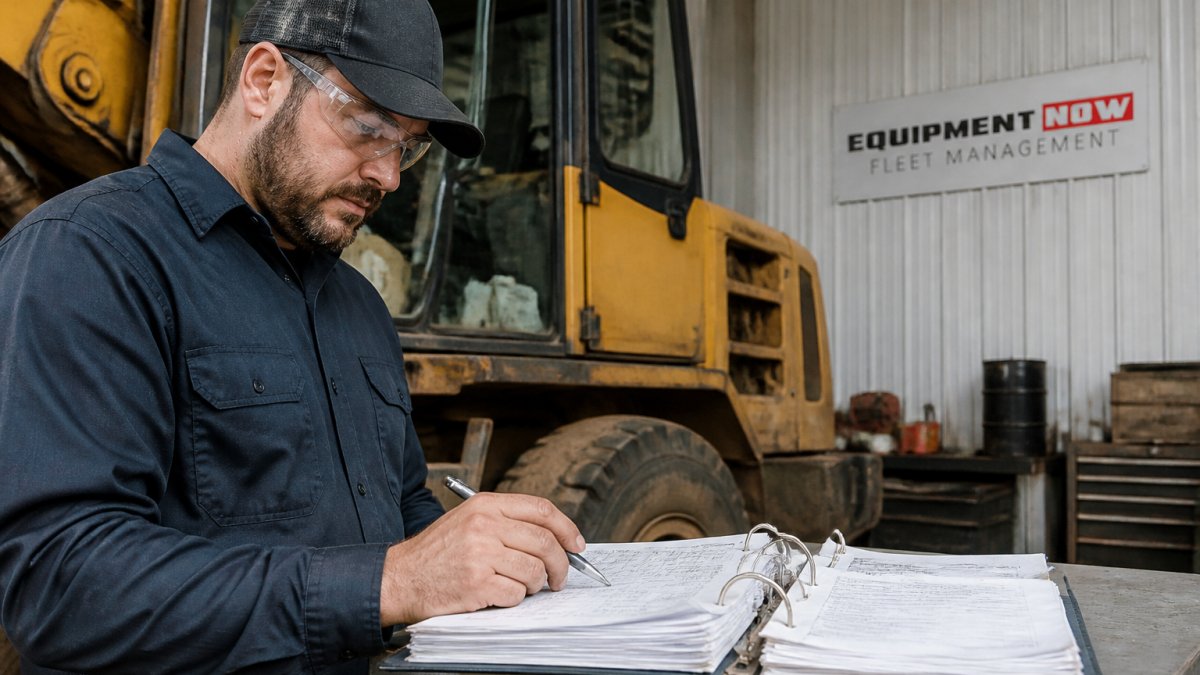
Start with the paperwork when you learn how to prepare heavy machinery for equipment consignment. Buyers and dealers both need to confirm who owns the machine and what has been done to it.
Collect these documents first:
- Title or ownership certificate
- Bill of sale or purchase invoice from when you bought it
- Service and maintenance logs, with dates and work performed
- Receipts for major repairs or part replacements
- Serial number and model information
- Any loan, lien, or financing paperwork still on file
Fleet management software is useful here. If you already track your fleet digitally, export the service history and hour readings instead of rebuilding them from memory. Missing records are one of the most common reasons a sale slows down.
Watch out: Do not guess at service dates or hour readings. A buyer who finds a mismatch will question everything else in your listing.
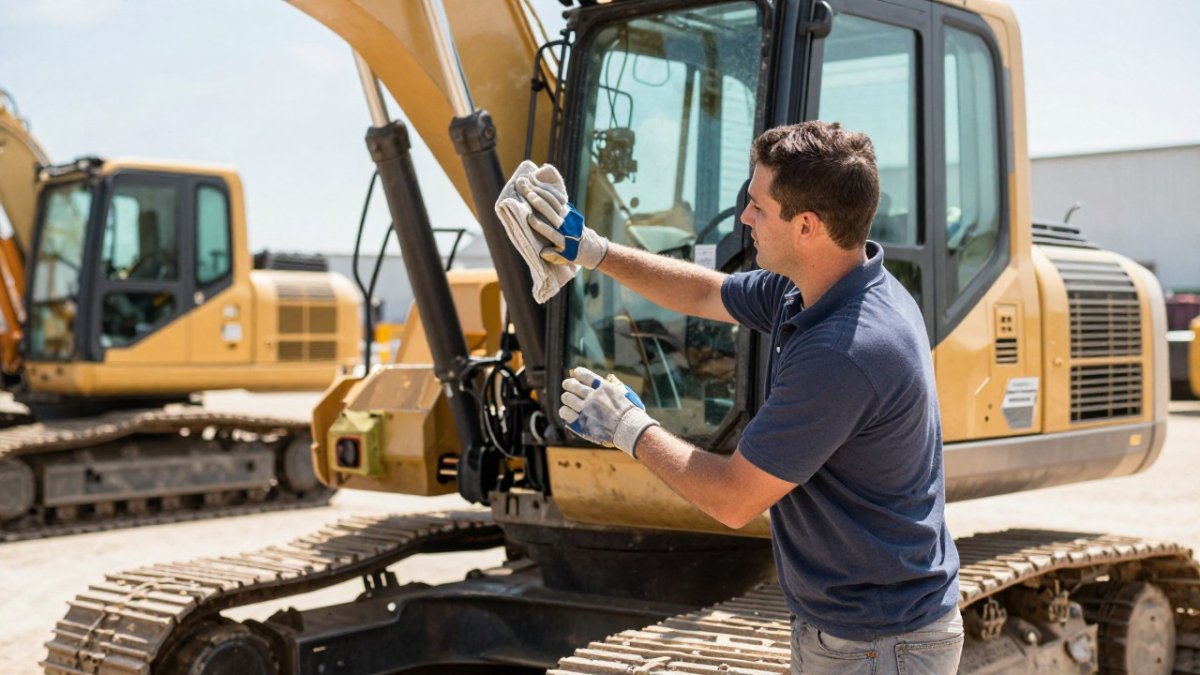
Step 2: Clean the Cab, Storage Areas, and Exterior
A clean machine signals that it was well cared for. Buyers notice dirt in the cab and under the panels, and they assume the same neglect applies to the mechanical parts.
Work through the machine in this order:
- Clear the cab of trash, personal items, and loose tools
- Vacuum seats, floor mats, and the dash area
- Wipe the controls, gauges, and steering wheel
- Open storage compartments and remove debris and old fluids
- Wash the exterior with a pressure washer, keeping spray away from electrical connections and bearings
- Clean the undercarriage and tracks or tires to show the wear clearly
Dirt can hide leaks, cracks, and worn parts. A thorough wash lets an inspector see the real condition.
Step 3: Inspect the Machine and Decide What to Repair
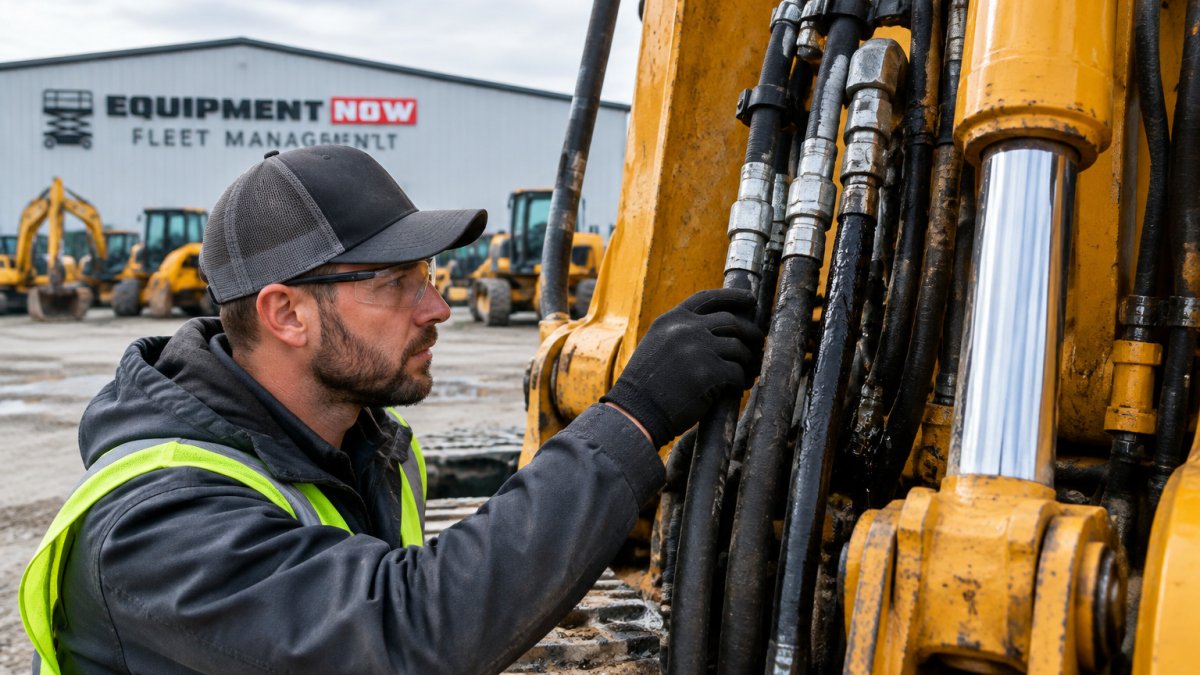
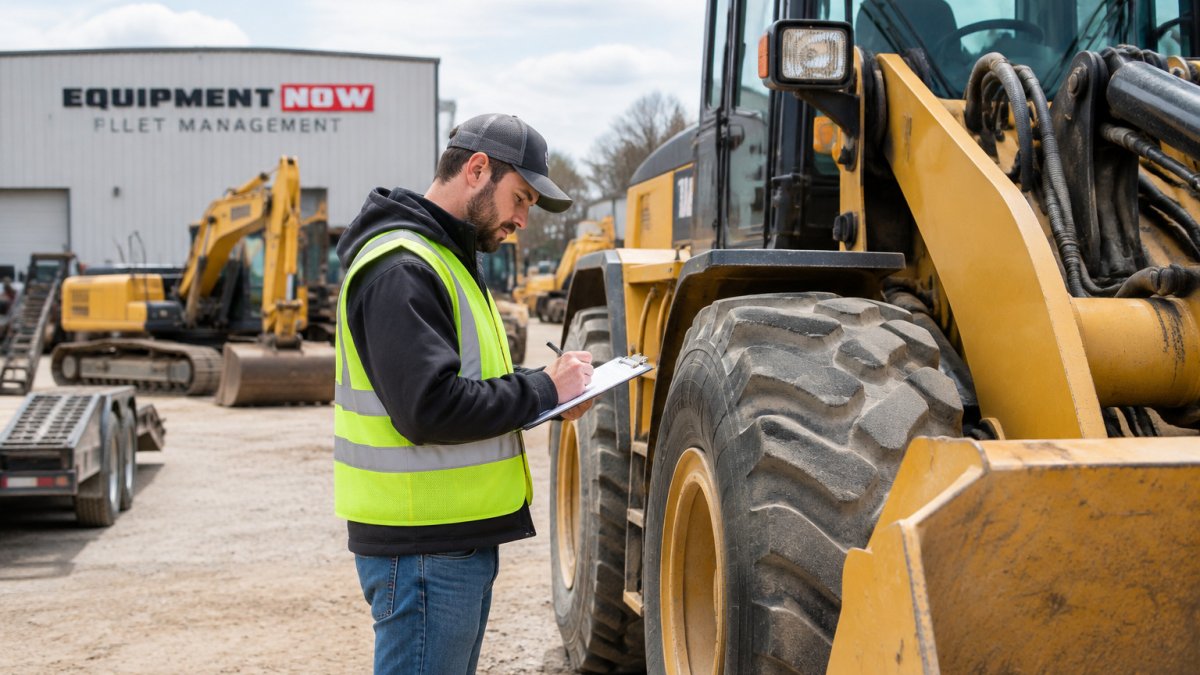
Before listing the machine, walk through it yourself. Check the engine, hydraulics, undercarriage, tires or tracks, attachments, and lights. Note anything that is leaking, cracked, loose, or hard to operate.
Then decide which repairs are worth making. A simple rule helps here: fix problems that a buyer would notice in the first five minutes and that cost less to fix than they would reduce the price. Leave major, expensive repairs for the buyer to price in, and disclose them clearly.
Consider these common decisions:
- Replace worn tires or tracks if the cost is modest relative to the price gain
- Fix fluid leaks and warning lights, since buyers read these as bigger problems
- Skip cosmetic paint work unless the machine is in a visible showroom setting
- Get a written estimate before any major job, so you can compare the cost to the expected price increase
Step 4: Document Condition, Operating Hours, and Defects
Good documentation is what separates a consignment listing that closes smoothly from one that stalls in inspection. It also protects you after the sale. Record the machine's condition in writing, back it with photos, and keep the format consistent across every machine you consign.
Operating hours: Photograph the hour meter with the machine off and the key visible in frame, then record the reading in your listing and in the consignment file. If the meter has been replaced, repaired, or is not functioning, note that in writing and include any service record that shows the replacement. Buyers treat an unexplained hour reading as a red flag.
Defects: Disclose every known problem, even small ones. Use a simple written format for each item: what the defect is, where it is on the machine, how long it has been present, whether it has been repaired, and what the repair was. A buyer who finds an undisclosed issue during inspection will often walk away or demand a larger discount, and a dealer who has to renegotiate after inspection loses time and credibility.
A practical defect log looks like this:
- Item: hydraulic leak at the right lift cylinder
- Location: right side, mid-boom
- First noticed: approximately 40 hours ago
- Status: not repaired; slow seep, no drip
- Evidence: photo IMG_0142, short video clip
Photo and video shot list: Capture a consistent set so buyers can compare machines side by side. A useful standard set includes:
- Four corner shots at eye level: front-left, front-right, rear-left, rear-right
- Full side profiles of both sides
- Serial number plate, legible and in focus
- Hour meter, with the reading visible
- Engine compartment, top and both sides
- Cab interior: seat, dash, controls, and floor
- Undercarriage or tires and tracks, showing tread or wear
- Each disclosed defect, close up and in context
- Attachment mounting points and any included attachments
- A short walk-around video with the machine running, including a brief operation of the primary functions if it is safe to do so
Keep the condition report and photo set in the same order for every machine. Buyers and dealers come to trust a listing that looks consistent, and a standard format shortens the time between listing and a serious offer.
Watch out: Do not stage photos to hide damage or clean only the areas that will appear in the frame. Inspectors look at the same machine in person, and a mismatch between the listing and the machine ends negotiations.
Step 5: Value the Machine and Set Realistic Expectations
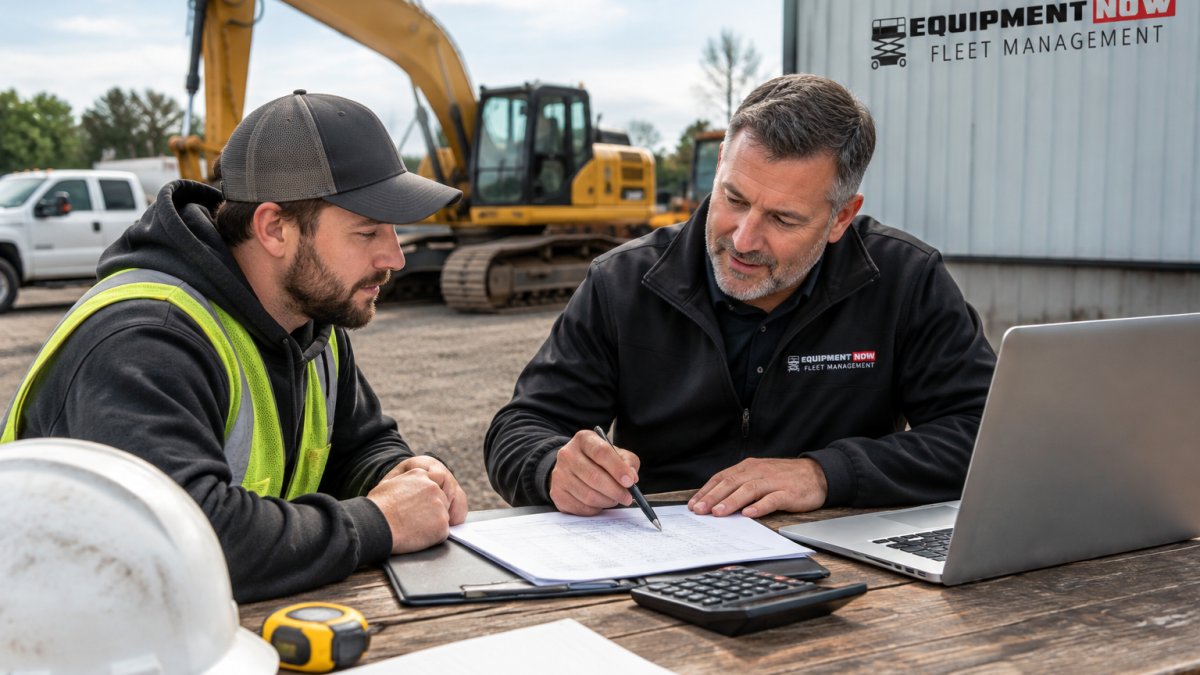
Pricing is where many owners lose money, and it is also where the choice between consignment and auction shows up most clearly. Start with what comparable machines have actually sold for recently, not what you paid or what you need to net. Adjust for hours, condition, attachments, and recent repairs.
Once you have a range, work backward to the net amount you will receive. Consignment usually includes a commission, so the figure that matters is what lands in your account after fees, not the listed price. Ask the dealer to walk you through the commission structure, any listing or marketing fees, and who pays for transport and storage before you sign.
Set a reserve price in writing. This is the lowest amount you will accept, and knowing it in advance keeps you from making rushed decisions when an offer comes in. A reserve that is too high keeps a machine on the lot; a reserve that is too low gives away value. The right reserve sits between recent comparable sales and your net target, adjusted for the machine's documented condition.
Consignment and fleet management can be a useful alternative to auction for well-maintained equipment. An auction sells on a fixed date to whoever bids highest that day, and the final price depends heavily on the crowd that shows up. A consignment sale markets the machine to qualified buyers over time, and a complete service history from fleet management software gives those buyers the records they may ask for.
Be realistic about timing. Some machines take weeks to sell, and seasonal demand can shift results. A machine that sits too long may need a price adjustment, so plan for that possibility and review the listing with the dealer after the first few weeks. Learn how to maximize returns on heavy equipment consignment once your machine is valued and priced.
Watch out: Do not set a reserve based on what you owe on the machine or what a new replacement costs. Buyers price the machine in front of them, and a reserve above the comparable-sales range will keep it unsold.
Booking Your Consignment With Equipment Now Rental and Sales
Once your records are gathered, your machine is cleaned, and your condition report is ready, the next step is handing it off. Equipment Now Rental and Sales can help you move from preparation to sale, and our site lets you book your consignment and check availability online. Book your consignment with Equipment Now Rental and Sales to see what the process looks like and what to bring to the first appointment.
U.S. Small Business Administration guidance on recordkeeping for business assets
Equipment rental and sales industry overview from the Association of Equipment Manufacturers
Guidance on documenting vehicle and equipment titles from the state DMV
Frequently Asked Questions
What is the best way to sell heavy equipment?
The best method depends on how quickly you need the money, how much control you want over the price, and the condition of the machine. Consignment suits owners who want a fair market price and can wait for the right buyer. Auctions move machines quickly but often at lower prices and on a fixed date. Trade-ins are fastest but usually return the least. Before choosing, gather your records, clean the machine, and document its condition so any channel you choose starts from a strong position.
What documents should you provide when consigning equipment?
Plan to provide the title or proof of ownership, the serial number and model details, maintenance and service records, and a record of the current operating hours from the hour meter. Any warranty information, past repair invoices, and details about attachments or loose components also help buyers and the consignment team evaluate the machine. Complete paperwork supports a more accurate valuation and reduces delays when the sale closes.
How do you determine the value of used heavy equipment?
Value depends on make, model, year, operating hours, condition, maintenance history, and current demand for that type of machine. A professional appraisal or a comparison with recent sales of similar machines gives the most reliable starting point. Repairs that are overdue, missing attachments, and heavy wear all reduce value. Setting a realistic expectation before you list the machine helps you negotiate and avoids a long listing period.
Should you repair heavy equipment before consigning it?
Repair only what affects safe operation or what a buyer will notice immediately, such as fluid leaks, dead batteries, or warning lights. Major repairs often cost more than they add to the sale price. Be transparent about any defect you do not fix, and document it clearly so the buyer's expectations match the machine's actual condition.