 listicle
How Equipment Consignment Helps Construction Companies Save
Quick Summary
Equipment consignment lets construction companies sell used machines at a stronger net price than a typical auction, because the provider markets the machine to a targeted buyer pool over a longer window and the seller keeps control over pricing. Paired with fleet management, it also converts idle iron into working capital, though payment usually takes longer than an auction settlement.
- Auction results depend heavily on who attends on the day, while consignment uses market data and a longer marketing window.
- Compare net proceeds after commission, transport, reconditioning and listing costs, not the headline sale price.
- Consignment can take weeks or months to pay out, so plan cash flow around the delay.
- Fleet management tracking reveals surplus machines that should be consigned rather than kept idle in the yard.
- Define the reserve price, listing period and insurance responsibility in writing before the machine leaves your yard.
Table of Contents
- Why Construction Companies Are Rethinking How They Sell Used Equipment
- Heavy Equipment Consignment vs Auction: Where the Money Really Goes
- How Construction Equipment Fleet Management Reduces Idle Iron and Downtime
- Cash Flow, Ownership Costs, and Working Capital Gains
- What to Look for in an Equipment Consignment Agreement
- How to Sell Used Construction Equipment Through Consignment, Step by Step
- Step 1: Run a Fleet Utilization Review
- Step 2: Establish a Realistic Market Value
- Step 3: Prepare the Machine and the Paperwork
- Step 4: Choose the Provider and Set the Listing Terms
- Step 5: Manage Buyer Inquiries and Inspections
- Step 6: Negotiate and Close
- Step 7: Update Fleet Records and Replacement Planning
- Booking Your Next Fleet Review With Equipment Now
- Frequently Asked Questions
Why Construction Companies Are Rethinking How They Sell Used Equipment
Most contractors treat selling used iron as an afterthought. The machine sits in the yard, the phone rings with a lowball offer, and the sale drags on for months.
Consignment means a dealer lists your machine, markets it to qualified buyers, and handles the transaction, while you keep ownership until it sells. Fleet management goes further by tracking the equipment from acquisition through retirement.
Heavy Equipment Consignment vs Auction: Where the Money Really Goes
An auction looks simple: the machine goes to the highest bidder on a given day. The catch is that auction results depend heavily on who shows up that day.
Consignment works differently. A consignment provider can price the machine against current market data and market it over a longer window to buyers in the market for that class of equipment.
Fees, Net Proceeds, and Payment Timing
The number that matters is net proceeds, not the headline sale price. Net proceeds equal the sale price minus commission, transport, reconditioning, and any listing costs.
Payment timing also differs. Auctions usually settle within days. Consignment can take weeks or months, depending on the machine and the market. Factor that delay into your cash planning, especially if the machine is tied to a loan or lease.
Buyer Reach and Sale Price Control
Auctions reach whoever attends. Consignment reaches a wider, more targeted audience through listings and direct outreach. With consignment, you also keep more control over pricing. You can set a floor, accept or decline offers, and pull the machine if the market turns. An auction gives you little say once the gavel drops.
The two sales routes differ in how they handle price, reach, timing and control, as summarised below.
| Factor | Auction | Consignment |
|---|---|---|
| Price driver | Who attends on the day | Market data and a longer marketing window |
| Buyer reach | Whoever attends | Wider, targeted audience |
| Price control | Little say once the gavel drops | You set a floor and accept or decline offers |
| Payment timing | Usually settles within days | Can take weeks or months |
| Fee structure | Buyer's premiums and seller's commissions | Commonly a percentage of final sale |
| Key metric | Headline sale price | Net proceeds after deductions |
How Construction Equipment Fleet Management Reduces Idle Iron and Downtime
Idle equipment is expensive even when it looks harmless. Every machine sitting in the yard still carries insurance, storage, depreciation, and the opportunity cost of capital tied up in it.
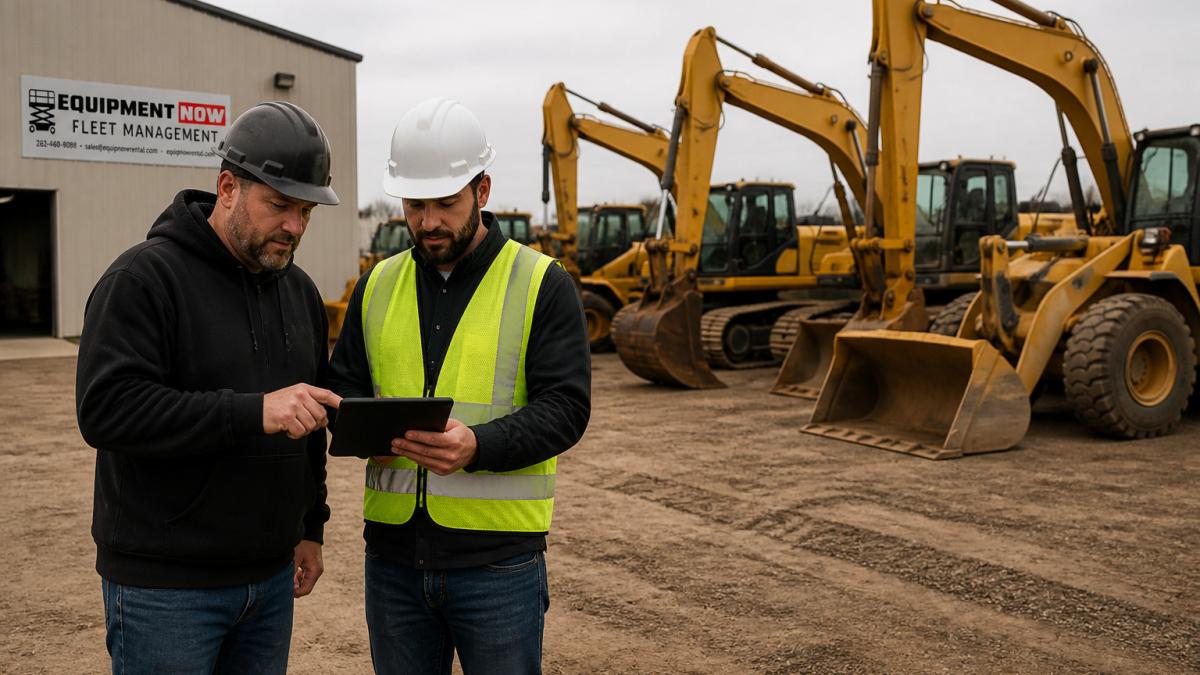
A proper program covers acquisition planning, preventive maintenance, GPS tracking, compliance records, cost analysis, and asset retirement. Tracking use shows which machines work hard and which ones do not.
Preventive maintenance matters here too.
Cash Flow, Ownership Costs, and Working Capital Gains
Selling surplus equipment is not only a disposal decision. It is a cash flow decision.
Ownership costs add up quickly: depreciation, insurance, storage, maintenance, and financing.
Keep the accounting clear. Work with your accountant on how the sale affects your tax position, since the treatment of gains and losses depends on your situation.
What to Look for in an Equipment Consignment Agreement
The agreement is where your protection lives, and most disputes trace back to terms that were never written down. A consignment contract should read less like a handshake and more like an operating manual for the machine while it sits on someone else's lot. The following terms are the ones worth negotiating line by line.
Exclusivity and Listing Period
Most consignment providers ask for exclusive listing rights for a defined window. Listing terms vary, and the agreement should state a defined initial term with renewal by mutual agreement. Push for a clear expiration date and a written exit: if the machine has not sold or received a qualified offer by the end of the term, you should be able to pull it without penalty.
Reserve Price and Seller Discretion
The reserve price is the minimum net amount you will accept. Insist that the reserve be stated in writing in the agreement, not left to verbal understanding. Clarify whether the provider can accept an offer below reserve without your written approval, and how counteroffers are handled. A well-drafted clause gives you a defined response window for any offer, within a defined response window, so deals do not stall while the provider waits on you.
Commission, Deductions, and Net Proceeds
The commission should be a stated percentage of the final sale price, with every other deduction itemized: transport, reconditioning, listing fees, storage, and any administrative charge. Ask for a sample settlement statement before you sign so you can see exactly how net proceeds are calculated. If the provider advances preparation costs, confirm whether those are recovered from proceeds or billed separately, and whether they are capped.
Insurance, Liability, and Storage
Once the machine leaves your yard, who insures it? The agreement should state that the provider carries garagekeepers or similar coverage for equipment in its custody, and it should name you as an additional insured or loss payee. Clarify who bears risk of damage, theft, or vandalism during storage and demonstration, and what happens if a buyer damages the machine during a trial.
Maintenance, Damage, and Unsold Equipment
Define who performs routine maintenance while the machine is listed and who pays for it. A common arrangement is that the provider handles minor upkeep and you cover major repairs, but the split should be explicit. If the machine does not sell, the agreement should state who pays for return transport and in what condition the machine must be returned.
Termination and Dispute Resolution
Look for a termination clause that lets either party exit on written notice, with a defined notice period, and that settles what happens to active negotiations at the time of termination. Confirm how disputes are resolved, whether through mediation, arbitration, or the courts, and which state's law governs. Keep copies of every inspection report, listing, and offer in writing.
How to Sell Used Construction Equipment Through Consignment, Step by Step
Consignment works best when the machine is treated as a product launch rather than a yard sale. The steps below reflect how a disciplined fleet management approach turns an idle asset into a completed sale, and where contractors most often lose value along the way.
Step 1: Run a Fleet Utilization Review
Start with data, not instinct. Pull utilization reports from your fleet management system or, if you do not have one, from hour meters and job cost records. Flag machines that have run below a threshold you set and machines whose maintenance cost per hour has climbed. The goal is to separate true surplus from equipment that is simply between projects.
Step 2: Establish a Realistic Market Value
Gather comparable listings and recent sale results for the same make, model, year, and hour range. Auction results are one data point, and retail listings reflect asking prices rather than achieved prices. A consignment provider should be able to show you both and explain the spread. Set a reserve that reflects net proceeds after commission and preparation costs, not the headline number you hope to see.
Step 3: Prepare the Machine and the Paperwork
Clean the machine thoroughly and complete routine service so it is ready to inspect. Assemble the documentation buyers ask for: serial numbers, hour meter readings, maintenance records, service invoices, emissions compliance information, and any warranty or extended service plan details. Undercarriage photos, tire or track condition, and hydraulic leak history are worth capturing up front.
Step 4: Choose the Provider and Set the Listing Terms
Compare at least two providers on commission, listing reach, photography and inspection quality, and settlement timing. Confirm where the machine will be stored and how it will be marketed, whether through online marketplaces, direct outreach to buyers, or both. Agree on the reserve, the listing period, and the reporting cadence so you know how often you will receive updates.
Step 5: Manage Buyer Inquiries and Inspections
Once listed, the provider should screen inquiries so you are not fielding calls from unqualified buyers. Decide in advance who answers technical questions and who approves inspection visits. Inspections are where deals are won or lost, so make sure the machine is accessible and that a knowledgeable person is available to start it, demonstrate controls, and answer maintenance questions. Keep a log of every inspection and the feedback received.
Step 6: Negotiate and Close
When an offer arrives, compare it against your reserve on a net-proceeds basis. Approve, counter, or decline within the response window in your agreement. Once terms are agreed, confirm the payment method and timing, and verify that funds clear before releasing the machine. Complete the bill of sale, transfer any manuals and records, and document the machine's condition at pickup.
Step 7: Update Fleet Records and Replacement Planning
Record the disposal in your fleet management system, including sale price, net proceeds, and the date the asset left service. That history informs depreciation schedules, replacement timing, and future reserve decisions. Contractors who track disposal outcomes consistently make better consignment decisions on the next machine.
Skipping the maintenance records is one of the most common ways to lose value at sale, because buyers discount machines they cannot verify. A fleet review can identify which machines are ready to consign and which need preparation first.
Booking Your Next Fleet Review With Equipment Now
Equipment Now Rental and Sales provides equipment rental, sales, and full-service fleet management solutions for contractors and businesses across Southern Wisconsin and Northern Illinois, including equipment acquisition, preventive maintenance, GPS tracking, compliance, cost analysis, and asset retirement. A fleet review is the fastest way to see which machines earn their place and which ones are costing you money.
Frequently Asked Questions
How does construction equipment consignment work?
A construction company hands its used machinery to a consignment provider, who handles inspection, listing, marketing, and buyer inquiries. The provider finds a buyer, the sale closes, and the seller receives net proceeds after agreed fees are deducted. The seller keeps ownership until the sale is final, and the consignment agreement spells out pricing authority, fees, and payment timing before any equipment is moved.
Is equipment consignment better than selling at auction?
It depends on the machine, the timeline, and how much the seller wants to control the outcome. Auctions can move equipment quickly but often on a fixed date and at whatever bids arrive that day. Consignment typically takes longer but gives the seller more say over the asking price, reaches a wider buyer pool, and avoids selling under pressure. Comparing net proceeds after all fees is the most reliable way to judge which route pays more.
What should a construction equipment consignment agreement include?
A clear agreement should list the equipment, the agreed minimum price, the commission or fee structure, who pays transport and preparation costs, how long the provider has to sell, and when payment is issued after a sale. It should also cover insurance responsibility while the machine is on the lot, inspection and condition reporting, and what happens if the equipment does not sell within the agreed period.
What equipment is best suited for consignment?
Machines with strong resale demand, documented maintenance records, and a clear market value tend to perform well, including excavators, dozers, loaders, and trucks that are still productive. Older or heavily worn units may bring better results through a dedicated sale or trade-in. Reviewing the fleet by age, condition, and utilization helps a company decide which units justify the consignment process.