 ultimate-guide
Preventive Maintenance for Heavy Machinery: 2026 Guide
Table of Contents
- Why Preventive Maintenance for Heavy Machinery Pays Off
- The Heavy Equipment Maintenance Checklist Every Operator Needs
- Building a Construction Equipment Maintenance Schedule
- Preventive Maintenance Software for Fleets: What to Look For
- OSHA Heavy Equipment Safety Requirements and Maintenance
- How to Cut Unplanned Downtime and Extend Equipment Life
- Frequently Asked Questions
Last Updated: September 15, 2026
Why Preventive Maintenance for Heavy Machinery Pays Off
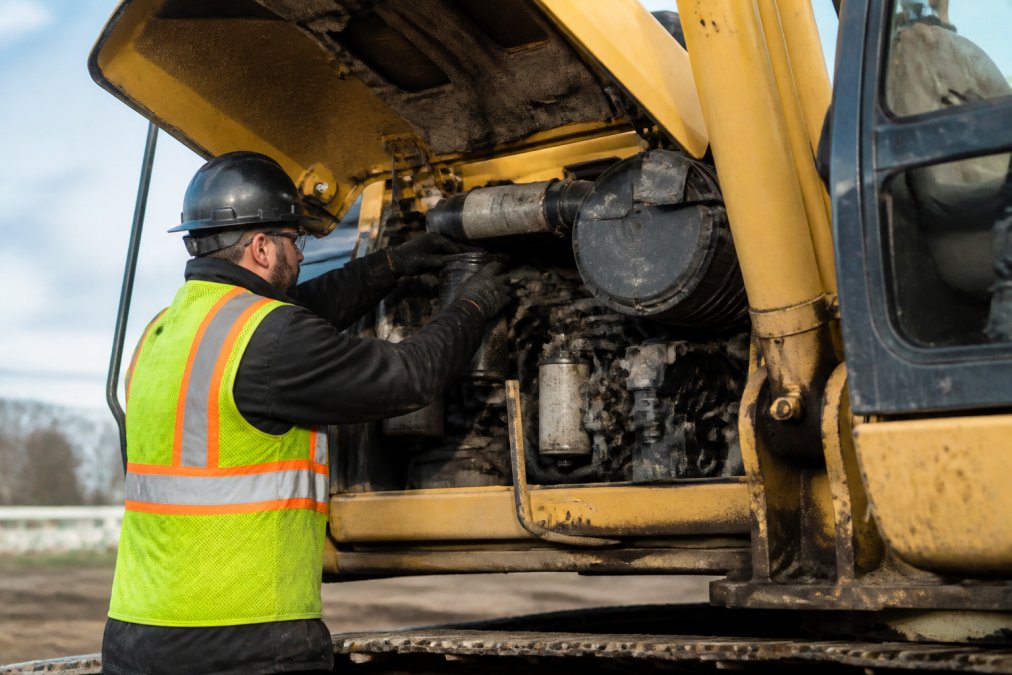
Preventive maintenance for heavy machinery is the practice of servicing equipment on a fixed schedule before parts fail, rather than reacting after a breakdown stops the job. This guide covers the inspections, intervals, and tools that keep excavators, skid steers, and aerial lifts running through the whole season.
The math favors the proactive approach. A machine that fails mid-project costs you the repair, the rental replacement, the crew hours, and the client's patience. A machine serviced on schedule costs you a few hours and a filter. Many fleet managers find that planned service is the cheapest line item on the budget, and unplanned downtime is the most expensive.
Below, we'll show you exactly how to build a maintenance schedule that holds up in the field, from daily walkarounds to telematics-driven oil analysis.
The Heavy Equipment Maintenance Checklist Every Operator Needs
A heavy equipment maintenance checklist works best when it is split by frequency: daily checks the operator performs, and weekly or monthly inspections the shop handles. The split matters because operators catch problems early, while mechanics catch wear patterns.
Daily Walkaround Checks
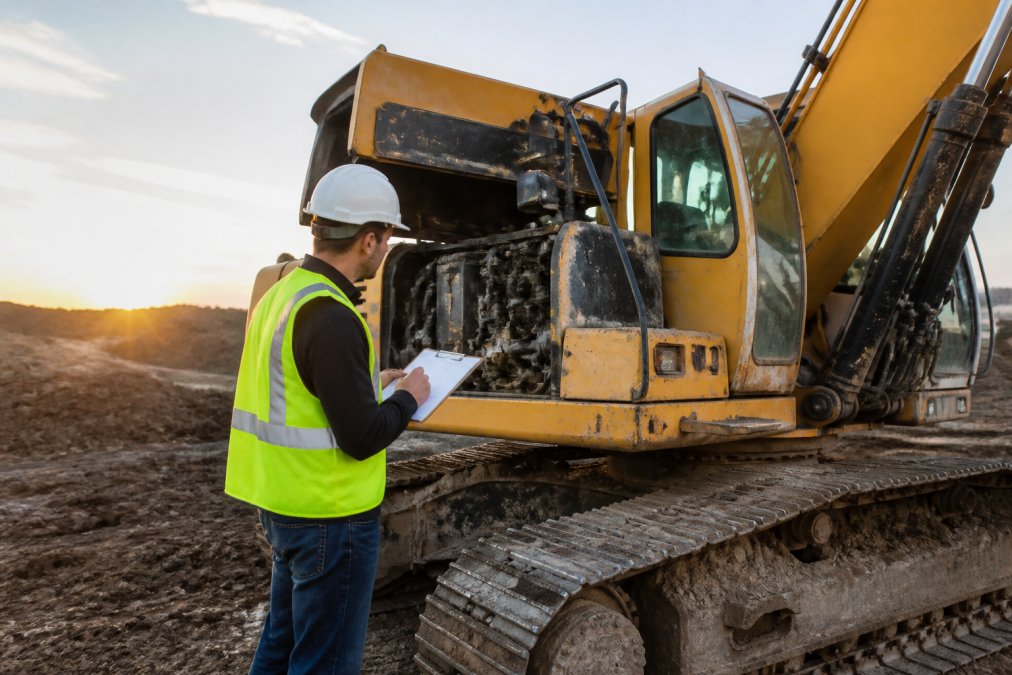
The daily walkaround takes 10 to 15 minutes and prevents most mid-shift failures (osha.gov). Walk the full machine in one direction so you never skip a side.
- Check fluid levels: engine oil, coolant, hydraulic fluid, and diesel
- Look for fresh leaks or wet spots under the machine
- Inspect tires or tracks for cuts, embedded debris, and uneven wear
- Test lights, backup alarms, and horns
- Confirm the bucket, blade, or attachment pins are seated and greased
- Note any new vibration, noise, or warning light from the last shift
Weekly and Monthly Inspections
Weekly and monthly inspections go deeper than the operator's eye. A common mistake is treating these as optional when the schedule gets tight, which is exactly when small issues turn into component failure.
Weekly tasks include greasing all fittings, checking battery terminals and charge, and inspecting hydraulic hoses for cracking. Monthly tasks cover filter replacement, air intake cleaning, and a full review of the machine's fault codes. Log everything. A pattern of low hydraulic fluid over three weeks tells you more than a single reading ever will.
Building a Construction Equipment Maintenance Schedule
A construction equipment maintenance schedule ties every task to machine hours, not just calendar dates. Equipment that runs eight hours a day wears faster than equipment that runs two, so hour-based intervals keep the schedule honest.
Fluids, Filters, and Lubrication Intervals
Scheduled lubrication is the single highest-return task in any maintenance program. Most manufacturers publish interval tables in the owner's manual, and those tables are the baseline, not a suggestion. Adjust them for dust, heat, and heavy load cycles.
| Interval | Core Tasks | Who Performs It |
|---|---|---|
| Daily | Fluid levels, walkaround, alarm test | Operator |
| Weekly | Greasing, battery check, hose inspection | Operator or shop |
| Monthly | Filter replacement, fault code review | Shop |
| Quarterly | Oil analysis, hydraulic system service | Shop |
| Annual | Full inspection, wear part assessment | Shop |
Undercarriage, Tires, and Wear Parts
Undercarriage care is where tracked machines quietly lose money. Track tension that runs too loose throws the chain, and tension that runs too tight wears out sprockets and idlers ahead of schedule. Check tension weekly and adjust to the manufacturer's spec.
On wheeled machines, tire inflation drives both fuel burn and tire life. Underinflated tires flex, heat up, and fail early (nhtsa.gov). Blade sharpening and cutting edge rotation belong on the same schedule, because a dull blade forces the machine to work harder for the same result.
Preventive Maintenance Software for Fleets: What to Look For
Preventive maintenance software for fleets replaces the whiteboard and the spreadsheet with a system that triggers work orders automatically. The best platforms track machine hours, service history, and parts inventory in one place, but the real dividing line is whether the system reacts to a schedule or reacts to the machine.
There are three tiers, and it helps to know which one you are buying:
- Calendar-based (CMMS basics): Recurring work orders by date or hour meter, parts inventory, service history, and compliance records. This is the floor, not the ceiling.
- Telematics-connected: The platform pulls hour meter readings, fault codes, idle time, and location directly from the machine, so the schedule updates itself instead of waiting on a clipboard.
- Predictive: Sensor and fluid data feed models that flag a component trending toward failure, so you service on condition rather than on a fixed interval.
What separates good software from a glorified calendar:
- Automatic work order generation from hour meters or telematics feeds, not manual entry
- Parts and inventory tracking tied to each scheduled service, with reorder thresholds
- Cost-per-hour reporting by machine, so you know which units earn their keep
- Compliance documentation for inspections and safety records, exportable for audits
- Mobile access so field techs can log service and attach photos without returning to the office
- Open API or data export, so you are not locked out of your own maintenance history if you switch vendors
Telematics, Sensors, and Oil Analysis in Practice
Telematics and oil analysis turn maintenance from reactive to predictive. Telematics pulls fault codes, idle time, and hour meter data straight from the machine, so the schedule updates itself. Oil analysis reads the fluid for metal particles, coolant intrusion, and contamination, which flags internal wear before it becomes a failure. Add vibration and temperature sensors on high-value components, final drives, hydraulic pumps, wheel bearings, and you get a trend line instead of a snapshot.
The practical sequence most fleets follow:
- Install telematics on the units that cost the most per hour of downtime.
- Pull oil samples at every scheduled service and send them to a lab for trending.
- Set alert thresholds on fault codes and fluid results, not just on the calendar.
- Route alerts to a work order automatically so nothing sits in an inbox.
Technical monitoring through these tools is the difference between servicing on a guess and servicing on evidence.
Building the Business Case: A Cost-Benefit Frame
OSHA Heavy Equipment Safety Requirements and Maintenance
Safety protocols and maintenance overlap at three points:
How to Cut Unplanned Downtime and Extend Equipment Life
Here is the practical sequence:
Operator Behavior Is a Wear Variable
What Downtime Actually Costs
Sustainability as a Maintenance Outcome
Frequently Asked Questions
What are the most critical daily maintenance checks for heavy machinery?
Daily checks should cover fluid levels (engine oil, coolant, hydraulic fluid), tire inflation or track tension, visible leaks, belt and hose condition, battery connections, and all safety devices like backup alarms and lights. Walk around the machine before startup, looking for cracks, loose bolts, or debris buildup. Catching a low fluid level or worn belt in five minutes can prevent a component failure that sidelines the machine for days.
What is the difference between preventive and predictive maintenance?
Preventive maintenance follows a fixed schedule: change the oil every 500 hours, inspect the undercarriage every month, and so on. Predictive maintenance uses data from telematics sensors and oil analysis to flag problems before they become failures, so you service components when condition demands it rather than on a calendar. Many fleets run both, using preventive maintenance as the baseline and predictive tools to fine-tune timing.
How does OSHA compliance relate to heavy equipment maintenance?
OSHA requires that all machinery be maintained in safe operating condition and inspected before use. Under 29 CFR 1926 Subpart O, equipment with defective parts or unsafe conditions must be taken out of service until repaired. Documented inspections and maintenance records show due diligence during an OSHA inspection and reduce liability if an incident occurs. Skipping repairs does not just risk breakdowns; it risks citations and worker injuries.
How does preventive maintenance reduce the total cost of ownership for heavy equipment?
Routine maintenance costs a fraction of emergency repairs because it prevents small issues from cascading into major component failures. A hydraulic leak caught early might need a seal kit; ignored, it can destroy a pump. Preventive maintenance also extends the service life of engines, undercarriages, and hydraulic systems, delays costly replacement, and keeps resale value higher. Fewer breakdowns mean fewer project delays and lower rental or replacement costs.
How many hours per week should I budget for preventive maintenance?
Most fleets budget 1 to 2 hours of maintenance per machine per week for routine checks, greasing, and minor adjustments. Machines running heavy duty cycles or in abrasive conditions need more. The key is consistency: short daily inspections plus a weekly greasing routine prevent the backlog that leads to emergency repairs. Track hours in a log or software so you can adjust intervals based on actual wear patterns.
Can preventive maintenance software for fleets work for a small operation?
Yes. Modern fleet maintenance software scales from a single machine to hundreds. Entry-level tools let you set service reminders by engine hours or calendar date, log inspections from a phone, and store repair history. Even a two-machine landscaping crew benefits from automated reminders and digital records. The time saved hunting through paper logs and the avoided cost of a missed service interval usually justify the subscription.