 how-to
Managing Small Fleet Maintenance Effectively: A How-To Guide
Table of Contents
- Why Fleet Management Beats Auction-Based Equipment Turnover
- Building a Small Fleet Maintenance Schedule That Works
- Creating a Fleet Preventive Maintenance Checklist
- Implementing Fleet Maintenance Tracking Systems
- Reducing Vehicle Downtime Through Preventive Maintenance
- Equipment Consignment Sales as an Alternative to Auctions
- Conclusion: Building a Sustainable Fleet Maintenance Strategy
- Frequently Asked Questions
Last Updated: October 15, 2026
Why Fleet Management Beats Auction-Based Equipment Turnover
Small fleet maintenance isn't just about keeping vehicles running. It's about making smart choices on how you acquire, maintain, and eventually retire equipment. Many small business owners default to auctions when they need to refresh their fleet.
Fleet management through a partner like Equipment Now Rental and Sales shifts your entire approach. Our fleet management service handles equipment acquisition, preventive maintenance, GPS tracking, and asset retirement, freeing you to focus on your actual business.
The difference is substantial. Auction-based turnover leaves you responsible for every repair, every breakdown, and every disposal headache. Fleet management consolidates those burdens. You get equipment that's already maintained to standards.
This approach works especially well for small operations. You don't need to own equipment you use seasonally. You don't need to manage preventive maintenance schedules on your own.
Building a Small Fleet Maintenance Schedule That Works
A solid small fleet maintenance schedule prevents costly downtime. But for an operation running fewer than ten vehicles, the schedule has to do double duty: it must keep equipment reliable and keep maintenance spending predictable. Most guides skip that second job. This one doesn't.
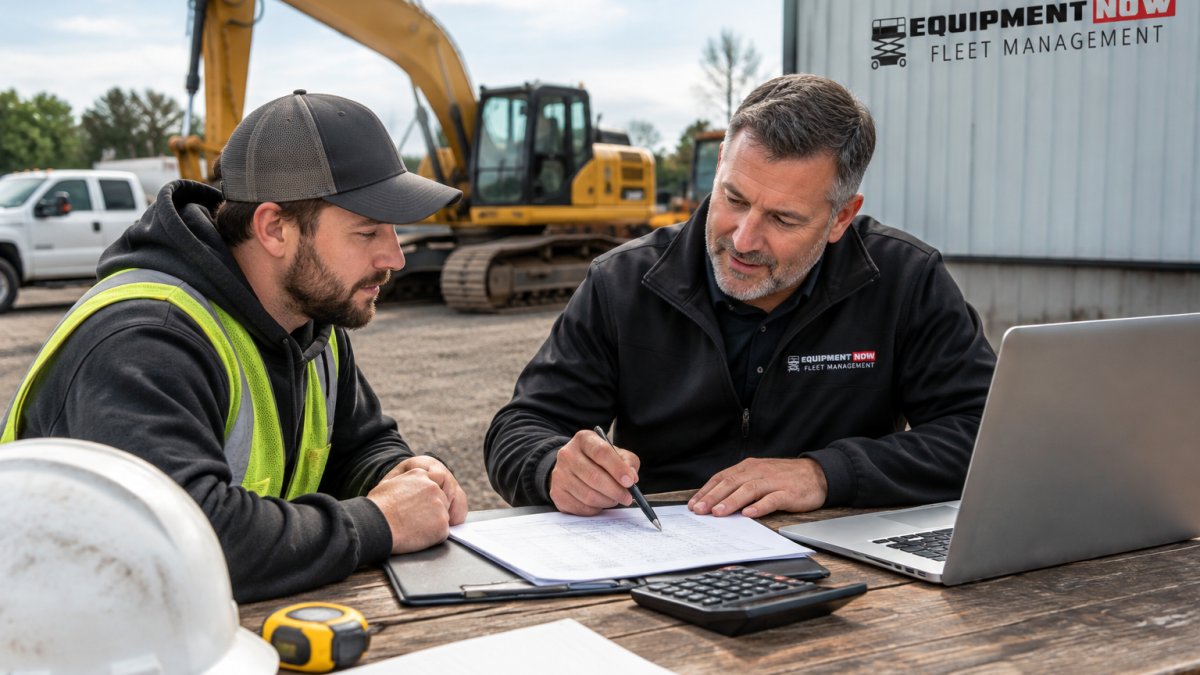
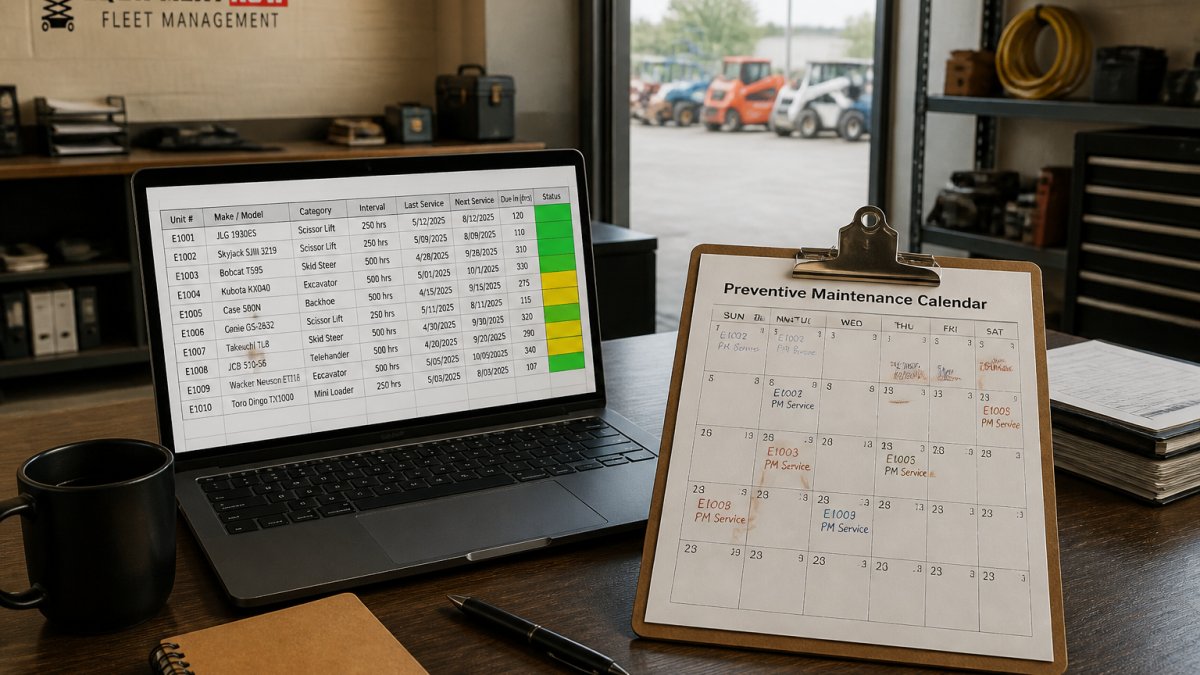
Start by knowing what you have. Build a simple asset register, one row per vehicle or piece of equipment, with these columns:
- Unit number and description
- Model year and current odometer or hour meter reading
- Manufacturer's recommended service intervals (miles, hours, or months, whichever comes first)
- Last service date and reading
- Next service due date and reading
- Assigned driver or operator
Most equipment comes with a maintenance manual. That manual tells you:
- Oil change intervals
- Filter replacement schedules
- Inspection points
- Seasonal requirements
A Maintenance Budgeting Framework for Small Fleets
This is the piece competitors leave out. Instead of treating maintenance as a surprise expense, allocate for it the way you'd allocate for fuel.
A common pattern among small fleet operators is to set aside a fixed monthly maintenance reserve per unit, sized to the vehicle class and age. A practical way to build that number:
- Baseline it. Take last year's total maintenance spend across the fleet and divide by twelve. That's your starting monthly reserve.
- Adjust for age. Units past the midpoint of their useful life typically need a larger reserve than newer units. Weight the reserve toward the older half of the fleet.
- Separate planned from unplanned. Planned work (oil, filters, tires, brakes on schedule) should come out of the reserve. Unplanned work (breakdowns, roadside repairs) should come out of a separate contingency line, not the same bucket.
- Review quarterly. If the reserve is consistently overrun, either the interval schedule is too loose or the fleet mix is due for turnover.
Scheduling Around Seasonal Peaks
For seasonal equipment, schedule maintenance before the busy season starts. Don't wait until you need the mower and discover it won't start. Service it in the off-season when you have time and when shops are less backed up.
The same logic applies to vehicles that see heavy use in a specific quarter. Front-load the deep inspections into the slow weeks.
Making the Schedule Stick
Digital tools help. Many fleet management systems send automatic reminders, log every service, and flag upcoming maintenance before it becomes an emergency. If you're still on a paper calendar, the minimum viable version is a shared spreadsheet with conditional formatting that turns a cell red when a service is within two weeks of due.
The goal isn't perfection. The goal is consistency. Regular, scheduled maintenance costs far less than reactive repairs. A small fleet maintenance schedule keeps equipment reliable, extends its useful life, and, when it's tied to a reserve, keeps the cost of ownership visible instead of invisible.
Creating a Fleet Preventive Maintenance Checklist
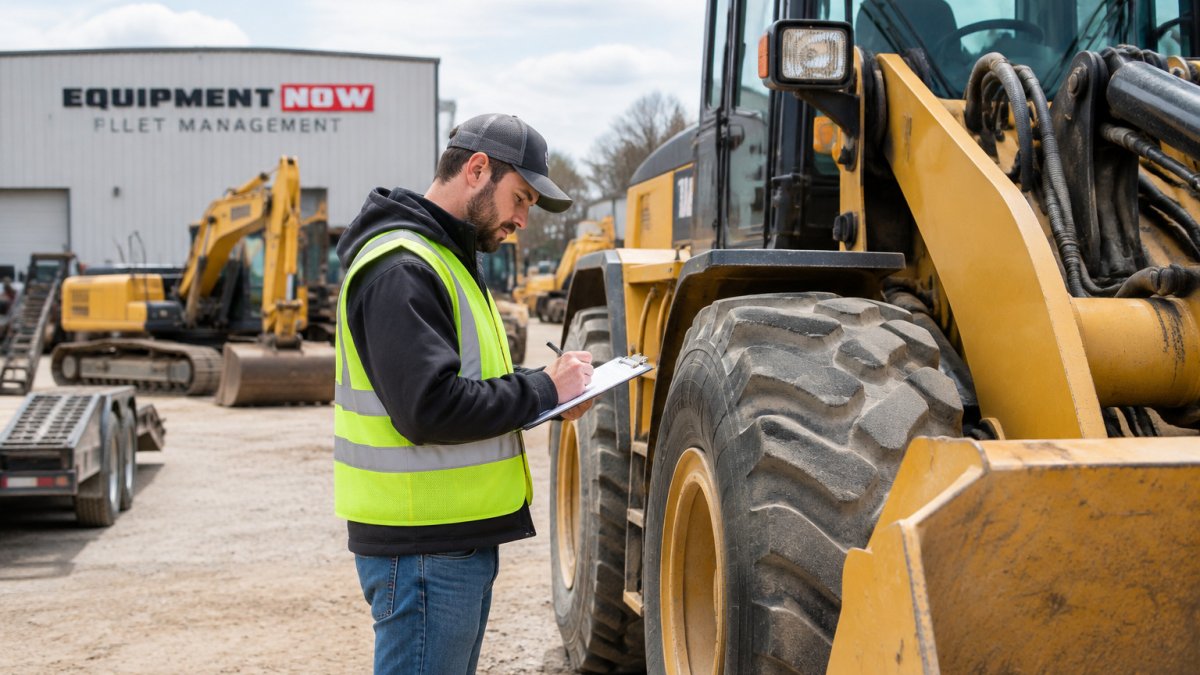
A fleet preventive maintenance checklist ensures nothing gets missed. Start simple. Include the items that matter most for your equipment type.
For vehicles, a basic checklist covers:
- Tire condition and pressure
- Fluid levels (oil, coolant, brake fluid, transmission fluid)
- Brake pad wear
- Battery condition
- Light function
- Wiper blade condition
- Hose and belt inspection
For heavy equipment, add:
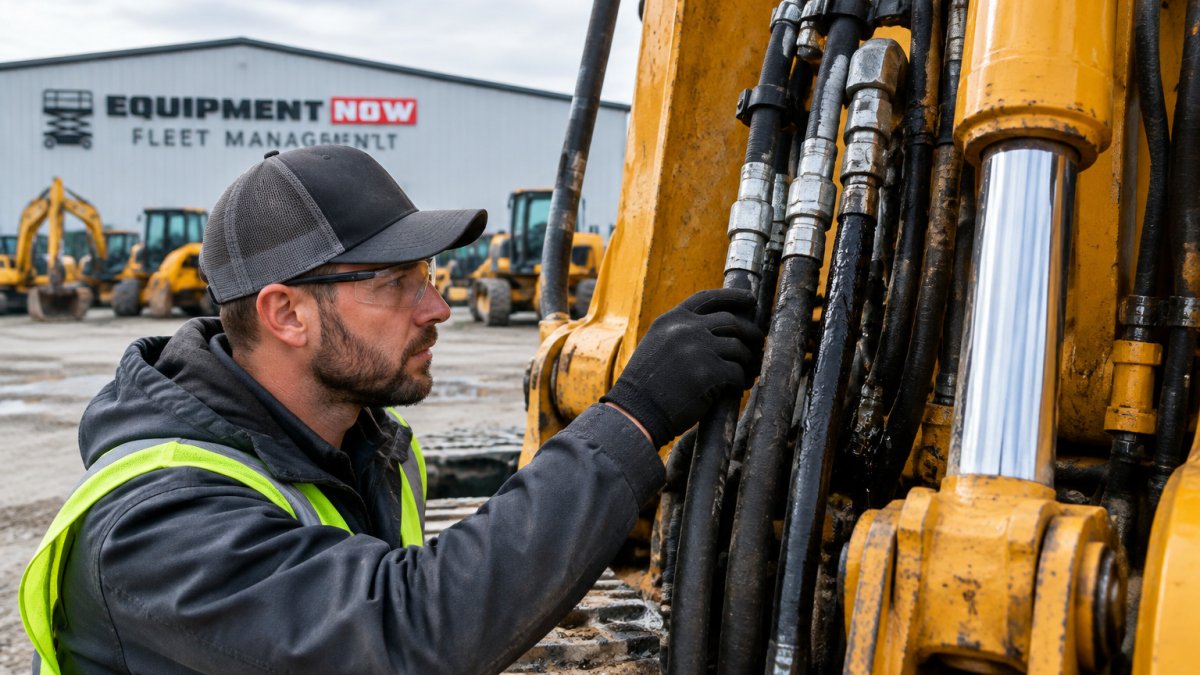
- Hydraulic fluid levels and condition
- Boom and attachment function
- Undercarriage wear
- Engine air filter status
- Fuel filter condition
Assign a driver or operator to perform a daily walk-around. They spend 5 minutes checking obvious issues. They report problems before they become breakdowns.
Schedule deeper inspections monthly or quarterly. This is where you check items that need more than a visual look.
Document everything. A maintenance log proves you're staying on top of fleet health. It also protects you if equipment fails unexpectedly, you have evidence of proper care.
Implementing Fleet Maintenance Tracking Systems
Tracking maintenance manually works for one or two vehicles. Beyond that, you need a system, and you need to decide who does the work.
A fleet maintenance tracking system records:
- Service dates and types
- Parts replaced
- Labor hours spent
- Costs incurred
- Next service due dates
The system sends alerts when maintenance is approaching. It shows which equipment needs attention first. It tells you which vehicles are eating up your maintenance budget.
The DIY vs. Outsourced Decision
This is the decision most small fleet owners agonize over, and most guides skip it entirely. Here's a framework.
Keep it in-house when:
- You have a dedicated bay and a technician who is already on payroll
- The work is routine (oil, filters, tires, inspections) and doesn't require specialized diagnostic equipment
- Your vehicles are concentrated at one location
- Downtime is cheap because you have spare capacity
Outsource when:
- The work requires manufacturer-specific diagnostics or warranty-sensitive repairs
- Your fleet is spread across multiple locations
- You don't have the volume to keep a technician fully utilized
- The repair is a one-off (transmission, engine, hydraulic system) rather than recurring
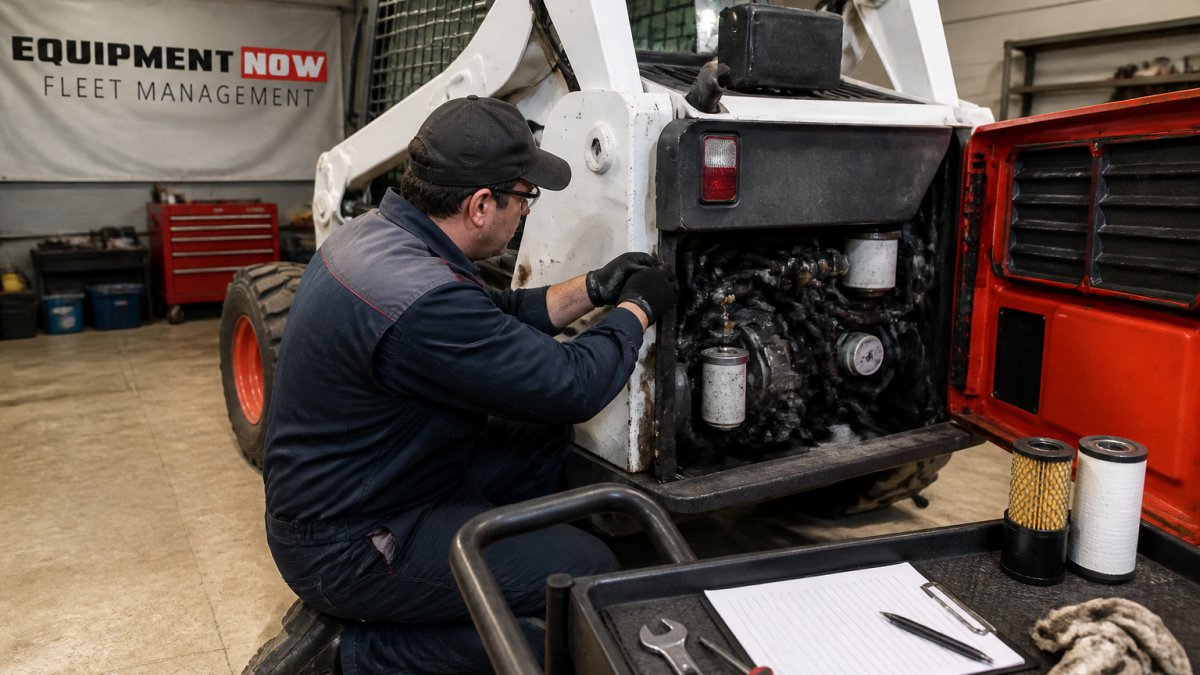
A common pattern is a hybrid: routine preventive work in-house, complex or warranty-sensitive work at a dealer or independent shop. The tracking system is what makes the hybrid work, because it tells you which category each job falls into before you commit.
What to Track Beyond the Obvious
Service dates and costs are table stakes. The metrics that actually change decisions are:
- Cost per mile (or per hour) by unit. Total maintenance spend divided by miles or hours driven. This is the number that tells you when a unit is no longer worth keeping.
- Days out of service. A unit that's cheap to repair but sits in the shop for a week is more expensive than a unit with a higher repair bill that's back on the road in a day.
- Repeat repairs. The same failure three times on the same unit is a signal, not a coincidence.
- Planned vs. unplanned ratio. The higher the share of planned work, the healthier the fleet.
Mobile-First Capture
Mobile-first systems let technicians and drivers log work from the field. They photograph damage, note parts used, and the data syncs instantly. For a small fleet, the practical benefit is that the inspection happens at the vehicle, not at a desk hours later when details have faded.
Turning Tracking Data Into Turnover Decisions
Over time, tracking data reveals patterns. You'll see which equipment needs more attention. You'll spot vehicles that cost more to maintain than they're worth. You'll know when to retire an asset, and that's where consignment sales come in. A unit with a documented maintenance history and clean records commands a better price on consignment than the same unit rolled through a general auction with no paperwork.
A good tracking system pays for itself through better maintenance planning, reduced emergency repairs, and stronger resale outcomes.
Reducing Vehicle Downtime Through Preventive Maintenance
Vehicle downtime costs money. Every hour a truck sits in the shop is an hour it's not generating revenue.
Preventive maintenance reduces downtime dramatically. A vehicle that breaks down unexpectedly might sit for days while parts arrive and repairs happen.
Common sense drives this. Change oil before it gets dirty. Replace brake pads before they damage rotors. Fix a small coolant leak before it causes overheating.
The math is simple. A $200 oil change prevents a $2,000 engine failure. A $100 belt replacement prevents a $1,500 breakdown on the roadside.
Small fleet maintenance schedules eliminate the surprise failures that wreck your day. Your equipment runs when you need it. Your team stays productive.
Fleet management services can monitor equipment health continuously, flag issues early, and schedule repairs during downtime windows to keep fleets operational.
Equipment Consignment Sales as an Alternative to Auctions
When equipment reaches the end of its useful life, you need to move it. Auctions are one option. Consignment sales are often better.
Consignment sales work differently. You partner with a dealer or broker. They sell the equipment on your behalf. You keep a percentage of the sale price. They handle marketing, buyer inquiries, and logistics.
The advantages are clear:
- No auction fees eating into proceeds
- Targeted buyers who actually want your equipment type
- Flexible timing, you don't rush to meet an auction date
- Professional presentation of your equipment
- Dealer expertise in pricing and marketing
Auctions move equipment fast but often at lower prices. Consignment takes longer but typically nets more money. For small fleet owners, that difference matters.
Equipment Now Rental and Sales handles asset retirement as part of our fleet management service. We evaluate equipment. We determine the best exit strategy. We manage the sale process.
Consignment sales also work well for seasonal equipment. A landscaping business might consign mowers and trimmers to a dealer who specializes in landscape equipment. That dealer has buyers ready.
Conclusion: Building a Sustainable Fleet Maintenance Strategy
Managing small fleet maintenance effectively means thinking beyond today's repairs. It means building systems that prevent breakdowns, reduce costs, and extend equipment life.
A preventive maintenance program beats reactive repairs every time. A fleet maintenance tracking system gives you visibility into what's happening across your equipment. Equipment consignment sales get better value than auctions when it's time to retire assets.
Equipment Now Rental and Sales offers a complete alternative to traditional fleet ownership. Our fleet management service includes equipment acquisition, preventive maintenance scheduling, GPS tracking, compliance management, and asset retirement planning. Let us handle the complexity so you can focus on running your business.
Frequently Asked Questions
What should a small fleet maintenance schedule include?
A small fleet maintenance schedule should include daily pre-operation inspections, weekly fluid checks, monthly tire and brake inspections, and quarterly deep maintenance reviews. Document all work orders, repair history, and inspection dates. Track maintenance intervals based on equipment hours or calendar days, whichever comes first. Include seasonal adjustments for equipment used in varying conditions. Assign responsibility for each task and set automated reminders to prevent missed maintenance windows.
How often should fleet equipment be inspected?
Equipment should receive daily visual inspections before operation, weekly detailed checks of critical systems, and formal monthly inspections documented in your maintenance tracking system. Major components like engines and hydraulics need quarterly evaluation. Most manufacturers specify maintenance intervals based on operating hours, follow these guidelines closely. More frequent inspections reduce unexpected breakdowns and extend asset lifecycle, directly lowering your total cost of ownership.
How can small businesses track fleet maintenance effectively?
Use a centralized fleet maintenance tracking system that logs all inspections, repairs, and preventive maintenance tasks. Record equipment hours, dates of service, costs, and technician notes. Mobile-first solutions allow drivers to report issues in real-time. Maintain digital inspection checklists and work order management to automate alerts for upcoming maintenance. Regular reporting on maintenance trends helps identify patterns and budget more accurately for future repairs.
Is consignment a good alternative to auctioning used equipment?
Equipment consignment sales can offer better returns than auctions for most small fleet operators. Consignment partners handle marketing and logistics while you retain ownership until sale, reducing risk. You avoid auction fees and reserve prices that fail to meet. This approach also provides more control over equipment presentation and buyer selection.
Ready to simplify your fleet operations? Contact Equipment Now Rental and Sales today to discuss how our fleet management service can reduce your maintenance burden, improve equipment reliability, and free up time for what matters most in your business.