 comparison
7 Reasons to Consign Heavy Equipment Instead of Auction
Last Updated: October 30, 2026
Quick Summary
Consign heavy equipment when you want price control and a specialist negotiating toward your target, rather than accepting whatever the auction room bids on a fixed day. Consignment trades speed for price, while auction trades price for speed, so choose based on your machine and deadline.
- Consignment lets you set a target price and negotiate; auction sells to the highest bid on the day.
- Auction works for stagnant inventory and quick liquidation; consignment suits clean, high-value machines.
- Read the consignment agreement for commission, term, reserve price, insurance, and payment timeline.
- Buyer's premiums can lower the hammer price bidders will pay, reducing your net proceeds.
- Well-managed fleets with service records earn a premium whether sold by consignment or auction.
Table of Contents
- Consign Heavy Equipment vs. Auction: A Side-by-Side Comparison
- How a Heavy Equipment Consignment Sale Works
- The Equipment Auction Process, Step by Step
- Fees, Commissions, and What You Actually Net
- Preparing Heavy Equipment for Sale: A Seller's Checklist
- Fleet Management for Construction Equipment: The Overlooked Advantage
- Which Selling Method Fits Your Equipment and Situation?
- Get Your Equipment Valued and Consigned with Equipment Now
- Frequently Asked Questions
Consign Heavy Equipment vs. Auction: A Side-by-Side Comparison
When you consign heavy equipment, you hand your machine to a specialist who markets it, negotiates on your behalf, and works to hit your target price. When you sell at auction, you accept whatever the room bids on a fixed day. That single difference in control explains most of what follows in this guide from Equipment Now Rental and Sales.
The core distinction: consignment is a managed sale where the seller sets expectations and the consignee handles marketing, while an auction is a timed, competitive bidding event where the highest bid wins regardless of value. One protects your price. The other protects the calendar.
Here is the short version before we go deeper:
| Factor | Consignment | Auction |
|---|---|---|
| Sale price control | Seller sets a target; consignee negotiates | Determined by the room on the day |
| Time on market | Flexible, typically longer | Fixed date, fast result |
| Buyer reach | Targeted, qualified buyers | Whoever shows up or bids online |
| Fee structure | Agreed commission on the sale | Buyer's premium plus seller's commission |
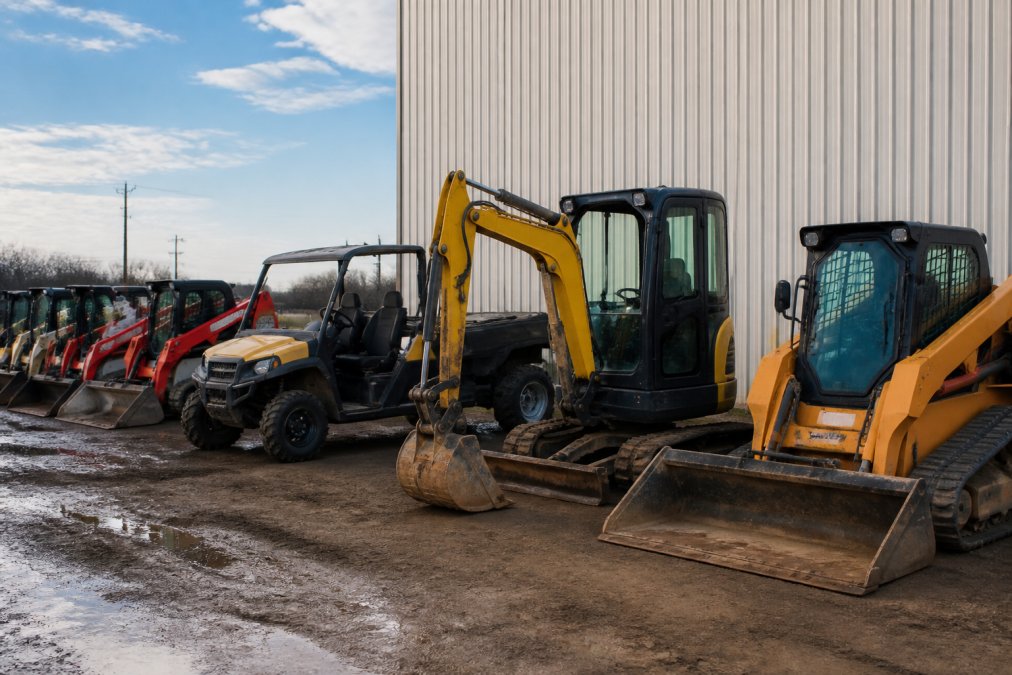
| Best for | Clean, desirable, high-value machines | Stagnant inventory and quick liquidation |
| Seller effort | Low after handoff | Low, but with less say in outcome |
The trade-off is simple. Auction trades price for speed. Consignment trades speed for price. If you want the deeper playbook on squeezing more out of a consigned machine, read maximizing returns on heavy equipment consignment before you sign anything.
How a Heavy Equipment Consignment Sale Works
A consignment sale moves in a predictable sequence, and knowing it protects you at every step. The consignor (you) retains ownership until the machine sells. The consignee (the dealer or broker) takes possession, markets the unit, and pays you the net proceeds minus an agreed commission once the sale closes.
The typical flow looks like this:
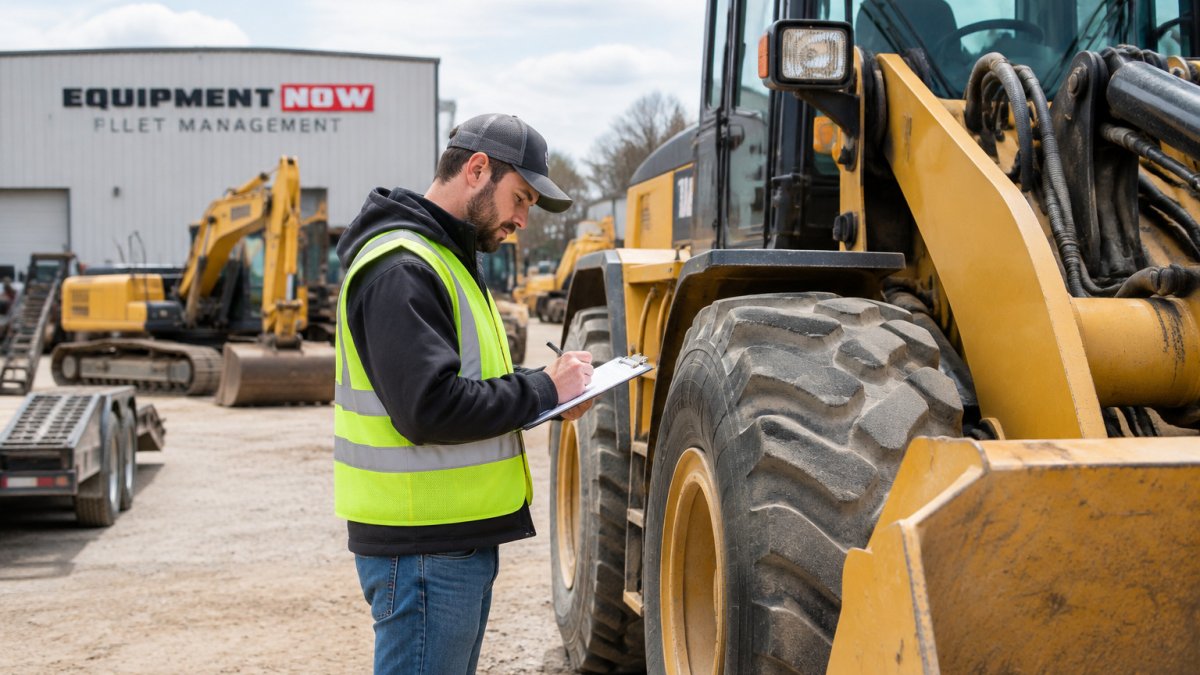
- Valuation. The consignee inspects the machine and reviews hours, service records, and condition to set a realistic asking price.
- Agreement. You sign a consignment agreement for equipment covering term length, commission, and who pays for what.
- Preparation and listing. The machine is cleaned, photographed, and advertised to a targeted buyer pool.
- Negotiation. Offers come in. The consignee filters serious buyers and negotiates toward your target.
- Closing and payment. The buyer pays, the consignee deducts commission, and you receive the balance.
The advantage over an auction is that your machine sits in front of buyers who are actively shopping for that exact type of used equipment, not a crowd that came for something else.
What to Look for in a Consignment Agreement for Equipment
Read the contract carefully, because its terms determine your net. A consignment agreement for equipment should spell out five things in plain language:
- Commission rate and what it covers. Marketing, storage, and listing costs should be itemized, not buried.
- Term and termination. How long is the machine committed, and can you pull it if it does not move?
- Reserve or target price. Is there a floor below which the consignee cannot sell without your approval?
- Insurance and liability. Who covers the machine while it sits on the lot?
- Payment timeline. How many days after closing do you get paid?
Watch out: the most common mistake is signing an open-ended agreement with no reserve and no exit clause. That leaves you with the worst of both worlds, no price protection and no way out.
The Equipment Auction Process, Step by Step
An auction compresses the entire sale into a single event, which is its appeal and its risk. The equipment auction process typically runs from consignment intake through cataloging, preview, live or online bidding, and settlement.
Sellers consign to the auction company, which catalogs the lot, advertises the sale date, and runs the bidding. When the hammer falls, the highest bid wins. You get paid after settlement, minus the seller's commission, and the buyer typically pays a separate buyer's premium on top.
The catch is bidder competition. A machine that draws three serious bidders can exceed expectations. The same machine on a slow day with one bidder sells for whatever that one person offers. You have no reserve unless you negotiate one, and many auction contracts discourage it because it complicates the sale.
Auction works when you need the machine gone and the market is hot. It works poorly when your equipment is unusual, highly specialized, or worth more than a distracted crowd will pay in ninety seconds.
Fees, Commissions, and What You Actually Net
Net proceeds are what matter, and they are rarely what the headline number suggests. Both selling methods carry costs, but they hit differently, and the difference is large enough to flip a decision.
With consignment, you pay a commission on the final sale price, and the consignee may charge for storage, marketing, or listing. With auction, you pay a seller's commission, and the buyer pays a separate buyer's premium on top of the hammer price.
Here is the calculation that separates the two paths:
Net proceeds = Sale price − seller commission − preparation and transport costs − storage, listing, or reserve fees
Run it on a representative machine. Consider how commission, buyer's premium, and preparation costs stack up on any given machine, and compare the all-in net under each method.
Three fee mechanics deserve a closer look:
- Reserve fees. Auction houses often charge a fee to set a reserve, or refuse reserves on lower-value lots. Consignment agreements typically build price protection into the commission instead.
- Buyer's premium suppression. The premium is not your cost on paper, but it is your cost in the room. It narrows the bidder pool at the top end.
- Storage and carrying costs. A machine that sits on a consignment lot may accrue storage fees, while an auction compresses the holding period. Weigh those against the price protection consignment provides.
Depreciation matters here too. Every month a machine sits unsold, it loses value and accrues carrying costs. If you are weighing the real cost of holding versus selling, how to calculate equipment depreciation for business walks through the math so you can compare a fast auction result against a slower consignment sale on equal footing.
The honest answer on fees: rates vary by dealer, machine type, and sale value, so ask for the full fee schedule in writing before you commit.
Preparing Heavy Equipment for Sale: A Seller's Checklist
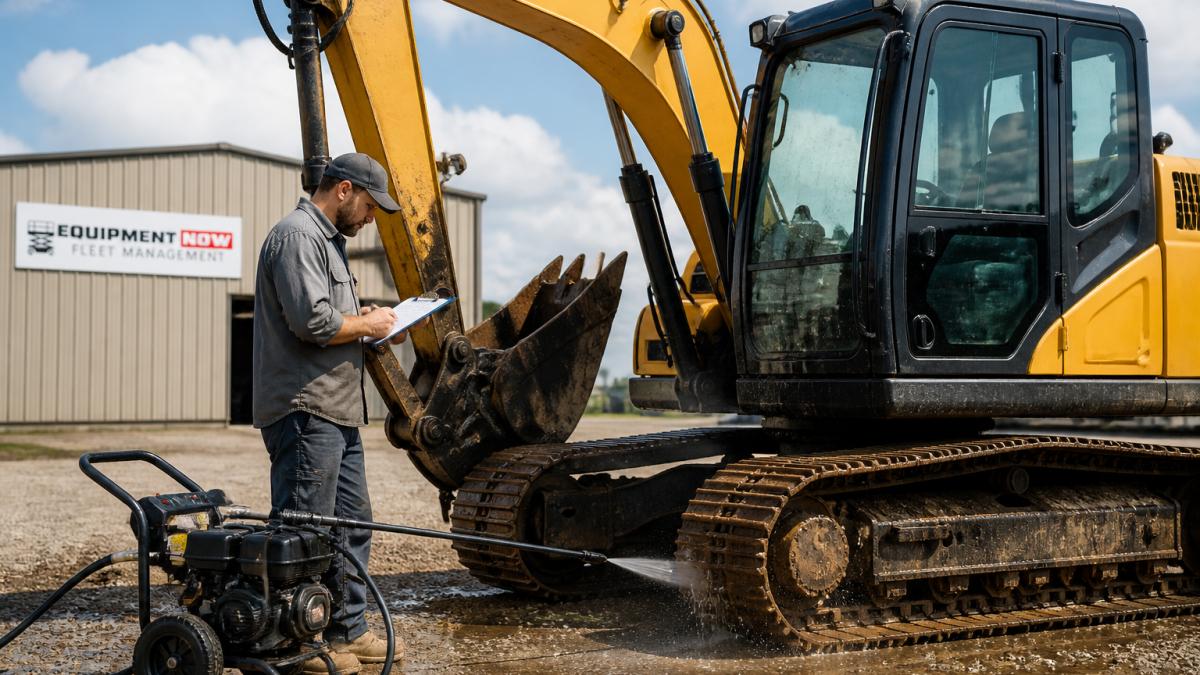
Preparation is where sellers leave money on the table, and it costs almost nothing to fix. A clean, documented, well-presented machine earns more in either channel. Buyers pay for confidence.
Work through this before you consign or send a machine to auction:
- Wash and degrease the machine, including the undercarriage and engine bay
- Pull together service records, maintenance logs, and any warranty paperwork
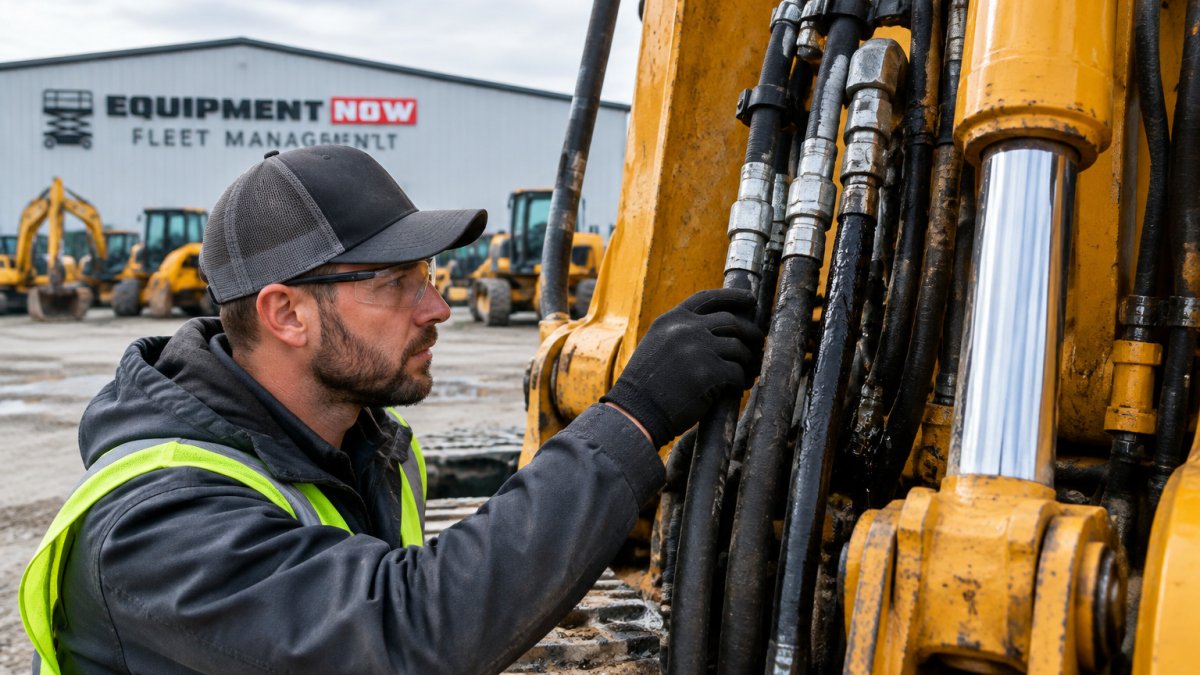
- Fix small issues: leaks, worn hoses, dead lights, torn seats
- Photograph it properly in good light from every angle, plus hours and serial plate
- Confirm hour meter accuracy and disclose any known faults upfront
- Detail the attachments and whether they are included in the sale
- Stage it where buyers can inspect it easily
A common mistake is skipping the small fixes. A buyer who sees a leaking hydraulic line assumes the whole machine was neglected, and that assumption costs you far more than the repair.
Fleet Management for Construction Equipment: The Overlooked Advantage
The best time to think about selling is before you buy, and that is where fleet management for construction equipment changes the math. Fleet management is the practice of tracking acquisition, maintenance, use, and retirement of every machine so each asset earns its keep and exits at the right moment.
Sellers who manage their fleet well get more at resale for a simple reason: their machines have records, predictable maintenance, and no surprises. Buyers pay a premium for that paper trail, whether the machine sells through consignment or auction.
Equipment Now Rental and Sales offers a fleet management service covering equipment acquisition, preventive maintenance, GPS tracking, compliance, cost analysis, and asset retirement. The retirement piece is the one sellers undervalue. Knowing when to move a machine out, before it becomes stagnant inventory, is what protects resale value.
If you want the fuller case, our breakdown of the benefits of fleet management services for construction covers how tracking and preventive maintenance pay off over an asset's life. For the cost side, 7 ways to manage construction fleet costs gives you practical levers to pull.
Which Selling Method Fits Your Equipment and Situation?
There is no universal winner, only a fit between method and circumstance. The right call depends on the machine, your calendar, and your tolerance for price risk. Use this framework to sort it out.
By equipment type and value. High-value, clean, late-model machines with strong brand demand reward consignment because a specialist can target qualified buyers and negotiate. Common, mid-value machines with broad appeal can do well at auction when the room is deep.
By condition and documentation. Machines with full service records, accurate hour meters, and disclosed faults earn a premium in either channel, but consignment lets the consignee present that paper trail directly to buyers.
By urgency. If you need the machine off the books by a deadline, auction delivers a fixed date and a certain sale. If you can wait for the right buyer, consignment protects your price.
By seasonality and location. Construction and landscaping demand shifts with the season and the region.
By seller circumstances. A contractor retiring a unit with no fire sale pressure should consign. A fleet manager clearing stagnant inventory before a new acquisition should auction.
If you want the deeper playbook on squeezing more out of a consigned machine, read maximizing returns on heavy equipment consignment before you sign anything.
Get Your Equipment Valued and Consigned with Equipment Now
Here is the challenge: most sellers guess at their machine's value, sign the first agreement put in front of them, and hope for the best. You can do better by starting with a real valuation and a clear plan.
Equipment Now Rental and Sales provides equipment sales and fleet management solutions across Southern Wisconsin and Northern Illinois. Browse our current equipment for sale to see what we have available.
Contact Equipment Now Rental and Sales to learn more about our rental, sales, and fleet management services.
Frequently Asked Questions
Is it better to consign heavy equipment or sell it at auction?
It depends on your priorities. Consignment gives you more control over the asking price, while an auction sells on a fixed date and can leave money on the table if the crowd is thin. If you can wait and want more control over price, consignment may suit you. If you need the machine sold on a fixed date, auction may be the better fit.
What should I check before signing a consignment agreement for equipment?
When reviewing any consignment agreement from another provider, read the terms carefully, including fees, storage and insurance responsibilities, reserve pricing, and payment timing. Ask for the agreement in writing.
How long does it take to sell equipment on consignment?
Timelines vary with equipment condition, hours, and local demand. Specialty or high-hour units can take longer to sell. Auctions typically conclude on a single scheduled date.
Can fleet management help prepare equipment for resale?
Fleet management includes preventive maintenance and asset tracking, which can help you keep records of your equipment's care and plan when to retire a machine.