 blog
Reliable Equipment Rental for Homeowners: A Complete Guide
Table of Contents
- Why Reliable Equipment Rental for Homeowners Matters
- Equipment Rental vs Buying for Homeowners
- Key Equipment Categories: What Homeowners Actually Need
- Benefits of Professional Fleet Management for Your Projects
- Consignment Sales for Heavy Machinery vs. Auction Routes
- What to Look for in a Reliable Equipment Rental Provider
- Transportation, Delivery, and Site Preparation
- Frequently Asked Questions
Last Updated: September 21, 2026
Why Reliable Equipment Rental for Homeowners Matters
Homeowners tackling DIY projects face a familiar dilemma: buy expensive machinery you'll use once, or rent equipment that might break down mid-project. Reliable equipment rental for homeowners from a provider with professional fleet management ensures your project stays on schedule and your budget stays predictable.
Equipment Rental vs Buying for Homeowners
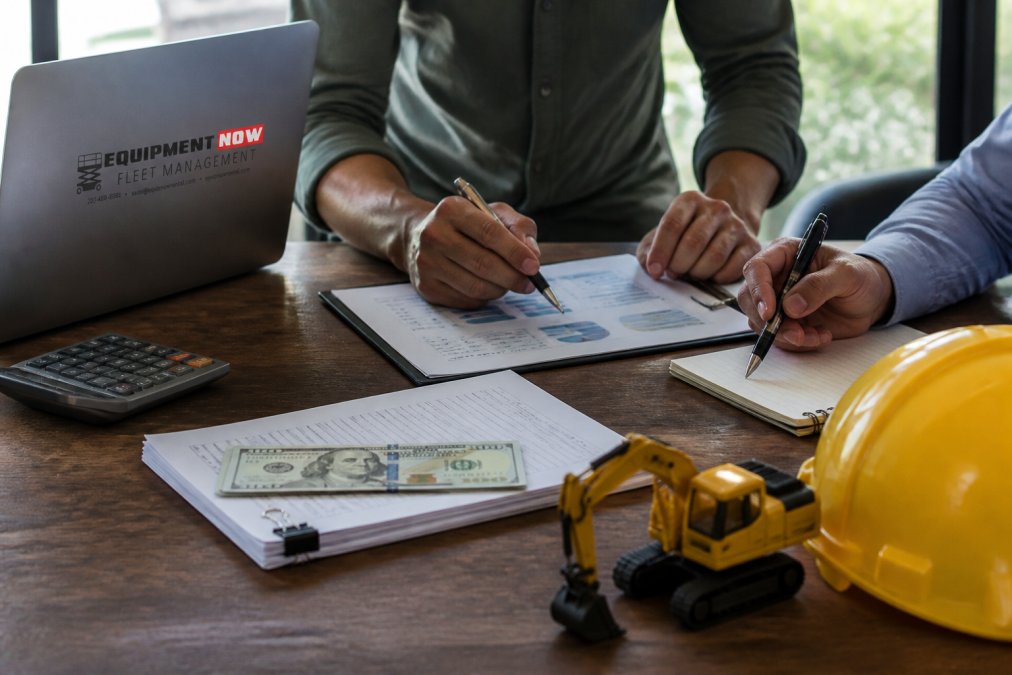
The rent-or-buy decision hinges on three factors: frequency of use, storage capacity, and total project cost. A simple framework helps homeowners decide without guesswork.
Frequency of Use: The Primary Driver
If you'll use equipment more than three times over five years, buying may justify itself. A homeowner tackling multiple projects annually might reasonably purchase a compact skid steer loader.
For one-time projects, renting is almost always cheaper. You avoid purchase price, maintenance, storage, and depreciation.
Storage and Space Constraints
Owning equipment requires dedicated, secure storage. A homeowner with limited property or no garage space cannot store large machinery. Renting eliminates this barrier.
Storage also incurs hidden costs: property taxes, insurance, and opportunity cost of dedicated space. These compound over years and often exceed rental costs.
Total Project Cost and Timeline
Calculate the full cost of ownership for your specific equipment:
Purchase scenario: A homeowner buying a compact skid steer loader incurs significant upfront costs, plus annual maintenance, insurance, and property taxes. Over five years, total ownership cost can be substantial even before repairs or depreciation.
Rental scenario: The same equipment rents for a daily rate. A rental with delivery and any additional services costs a fraction of ownership.
For most homeowners, this math is decisive. Renting wins unless you have a clear, multi-year usage pattern.
Maintenance and Operator Responsibility
Owned equipment requires regular maintenance: hydraulic fluid changes, filter replacements, and seasonal inspections. Homeowners unfamiliar with maintenance face expensive service calls.
Rental providers handle all maintenance. Equipment arrives serviced and ready. If something fails during your rental, the provider replaces or repairs it at no cost. This shifts responsibility and risk to the rental company.
Rental providers handle all maintenance. Equipment arrives serviced and ready. If something fails during your rental, the provider replaces or repairs it at no cost. This shifts responsibility and risk to the rental company.
Flexibility Across Multiple Projects
Homeowners managing multiple projects benefit from rental flexibility. Owning forces you to choose one piece of equipment; renting lets you choose the right tool for each job.
When Buying Makes Sense
Buying is justified when:
- You operate the equipment 4+ times annually over 5+ years
- You have secure, weather-protected storage
- You or your team have operator training and maintenance knowledge
- The equipment is specialized to your property (e.g., a homeowner with 10 acres might justify owning a compact tractor)
- You can absorb depreciation and repair costs without budget strain
For most homeowners, these conditions rarely align. Renting remains the financially and logistically superior choice.
Key Equipment Categories: What Homeowners Actually Need
Homeowners typically need equipment across three main categories, depending on their project scope.
Aerial Lifts and Platforms
Aerial lifts are essential for reaching high spaces safely, eliminating the danger of ladders and scaffolding.
Common types include:
- Boom lifts (reach 40-60 feet horizontally)
- Scissor lifts (vertical reach up to 30 feet)
- Articulating lifts (navigate tight spaces and obstacles)
Match lift capacity to your actual needs. A 30-foot scissor lift works for most residential projects; boom lifts provide horizontal reach.
Earthmoving and Material Handling Equipment
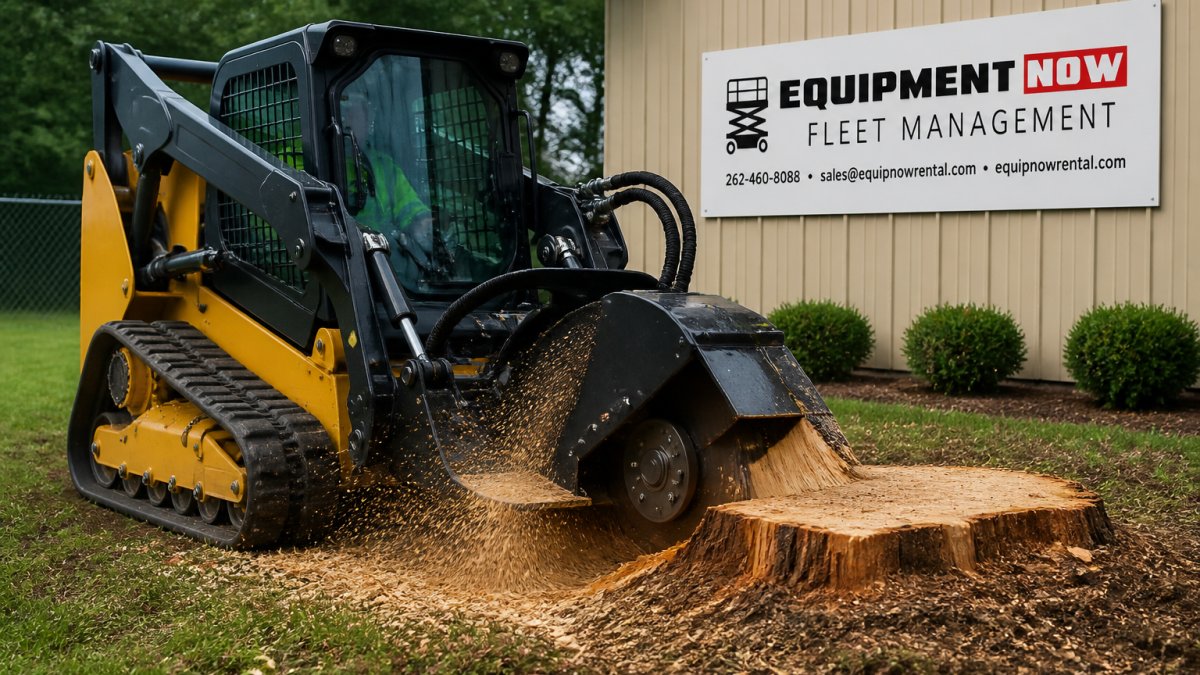
Skid steers handle site preparation, grading, and material movement, compact, maneuverable, and capable of multiple attachments.
Common earthmoving needs include soil excavation, rock and debris removal, trenching, and material transport.
Telehandlers reach high and far, useful for placing materials on roofs or elevated spaces without manual lifting.
Rental providers stock well-maintained equipment with proper hydraulic systems. Properly serviced equipment runs reliably start to finish.
Power Tools and Concrete Equipment
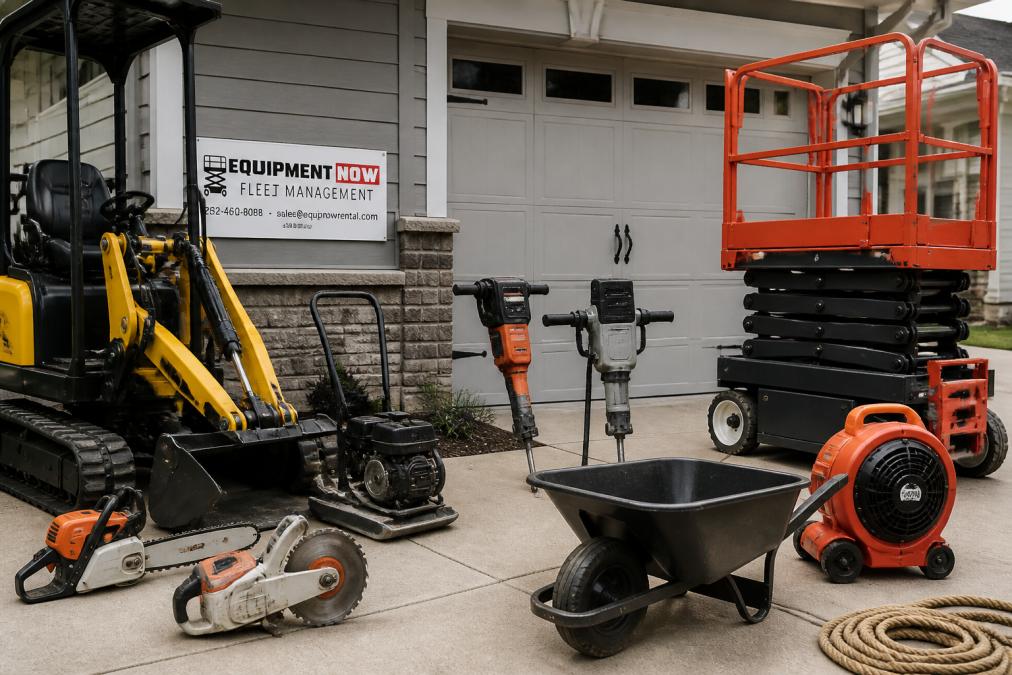
Concrete work and demolition require specialized tools. Cement mixers, concrete saws, and jackhammers are expensive to buy and rarely needed repeatedly.
Homeowners typically rent:
- Concrete mixers (for patios, walkways, small foundations)
- Floor sanders (for refinishing hardwood)
- Power tools (compressors, nail guns, cut-off saws)
- Demolition equipment (jackhammers, breakers)
These tools are straightforward to operate, but rental agreements usually include basic safety guidance. Equipment maintenance is the provider's responsibility, you avoid the headache of keeping power tools in working order between projects.
Benefits of Professional Fleet Management for Your Projects
Fleet management sounds like something for construction companies, but homeowners benefit too when they work with providers offering it.
Professional fleet management means preventive maintenance on every unit, real-time availability tracking, GPS tracking and compliance monitoring, and equipment rotation to remove unreliable machines. When Equipment Now Rental and Sales manages its fleet this way, you're renting from a provider that prioritizes reliability over volume. If equipment needs maintenance or becomes unavailable, the provider knows immediately and can offer alternatives.
Consignment Sales for Heavy Machinery vs. Auction Routes
Many homeowners eventually face a different decision: they've bought equipment and now need to sell it.
Consignment sales and auction routes both move equipment, but they differ significantly in cost, timeline, and final proceeds.
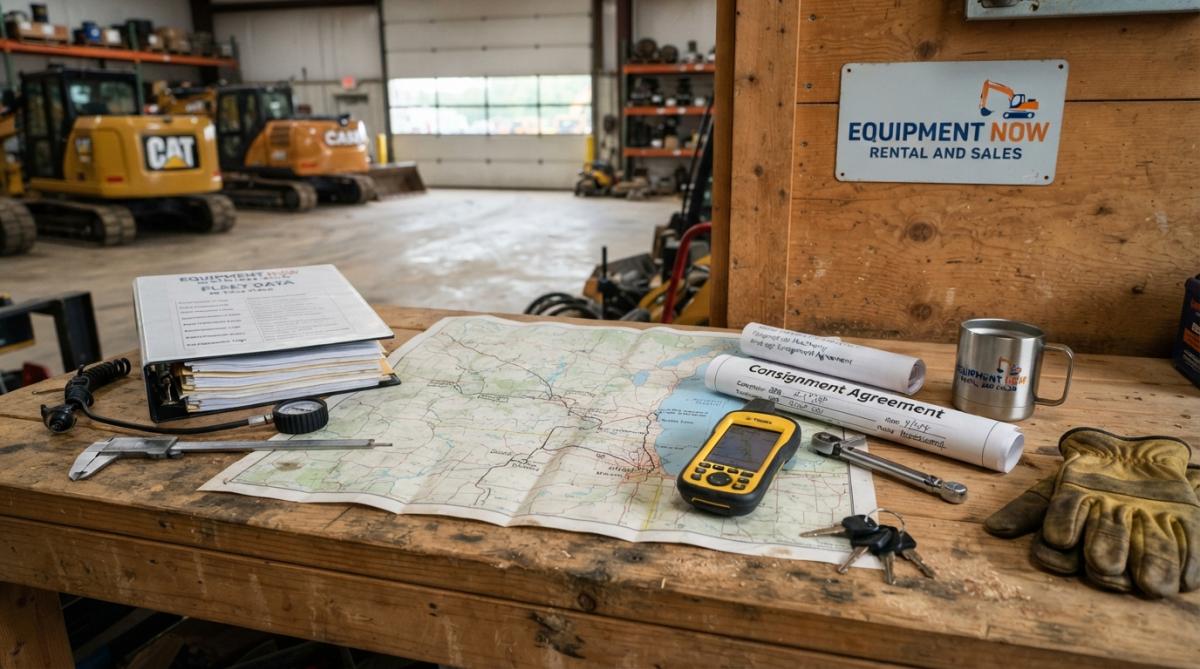
Auction routes move equipment quickly but auctioneers take commissions (often 10-20%), and equipment sells to the highest bidder, not necessarily at fair market value. Consignment sales work differently. A provider like Equipment Now Rental and Sales takes your equipment, maintains it, and sells it on your behalf. You avoid the auction commission structure. The provider handles marketing, storage, and buyer qualification. Sale prices often reflect actual market value rather than auction-driven bidding wars. Consignment takes longer but typically nets you more cash. The provider has incentive to sell well because their commission depends on the final sale price, aligning your interests.
What to Look for in a Reliable Equipment Rental Provider
Not all rental providers are built the same. A few key factors separate reliable partners from those that disappoint.
Safety Certifications and Equipment Maintenance
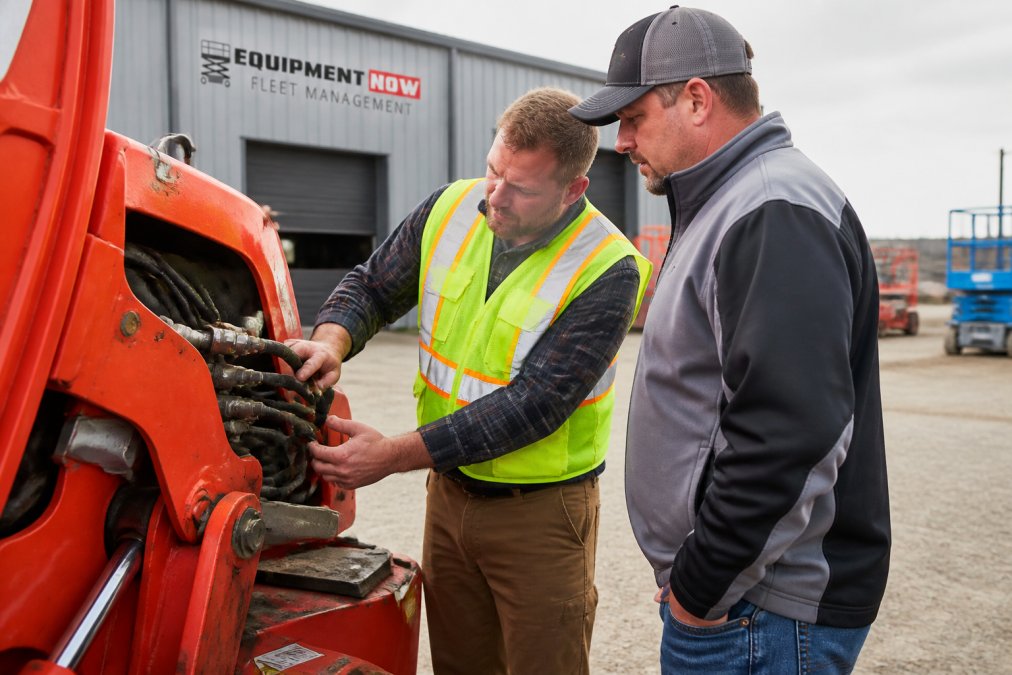
Equipment maintenance directly impacts your safety and project success. Ask potential providers:
- How often is each piece of equipment serviced?
- What maintenance records can they show you?
- Do they conduct pre-rental inspections on every unit?
A provider that can answer these questions confidently, and provide documentation, is one that takes maintenance seriously. Equipment Now Rental and Sales maintains detailed service records and conducts thorough inspections before every rental.
Real-Time Availability and Transparent Pricing
You should be able to check availability online without calling. Real-time booking systems let you reserve equipment immediately, knowing your dates are locked in.
Transparent pricing means no surprises. The quote you receive should include all costs: rental rate, delivery (if applicable), insurance, and any damage waiver options. Hidden fees that appear at checkout are a red flag.
Many providers offer online booking and payment systems that simplify the entire process. This convenience matters when you're coordinating a project timeline.
Insurance, Liability, and Damage Coverage
Rental agreements should clearly address what happens if equipment is damaged. Does the provider require damage waiver insurance? What's covered and what's your responsibility?
Equipment Now Rental and Sales provides transparent damage coverage options.
Transportation, Delivery, and Site Preparation
Getting equipment to your project site is often the most overlooked part of rental planning. Homeowners frequently underestimate logistics complexity and end up scrambling for transportation or discovering their site cannot accommodate the equipment they've reserved.
Understanding Your Transportation Options
Provider Delivery Service
Most rental providers offer delivery. Delivery is worth the cost if the equipment exceeds your vehicle's towing capacity, you lack a suitable trailer, or your site is difficult to access. Delivery providers use specialized trailers with hydraulic lifts, making equipment placement precise and safe.
Self-Transport and Towing Requirements
Rental Provider Fleet Management Advantage
Site Preparation: Critical Steps Before Equipment Arrives
Ground Conditions and Equipment Suitability
Your site's ground condition determines whether equipment can operate safely. Soft, muddy, or waterlogged ground may not support wheeled equipment. Before booking, assess soil type, recent rainfall, slope, and underground utilities. Inform your rental provider of poor drainage or soft soil; they may recommend equipment with wider tracks or suggest scheduling during drier seasons.
Access and Staging Area Requirements
Underground Utility Marking
Debris Removal and Staging
Delivery Timing and Project Coordination
Schedule delivery to align with your project timeline. Equipment rental is billed by the day, so unnecessary idle time costs money. If you're renting for a 5-day project, arrange delivery the morning work begins and pickup the day after completion.
Insurance and Damage During Transport
Understand who is liable if equipment is damaged during delivery or transport. If the provider delivers, they typically assume liability for damage in transit. If you self-transport, you assume that liability.
Frequently Asked Questions
Is equipment rental cheaper than buying for homeowners?
For most homeowners, renting is significantly more cost-effective than buying, especially for equipment used occasionally. You avoid purchase costs, storage, maintenance, and depreciation. Rental pricing depends on quantity, dates, and delivery, so get a quote based on your specific project timeline. Buying makes sense only if you'll use the same equipment repeatedly over several years.
How does professional fleet management benefit homeowners with multiple projects?
Professional fleet management handles equipment acquisition, preventive maintenance, GPS tracking, compliance, and cost analysis, freeing you to focus on your actual work. Rather than juggling multiple rentals and maintenance schedules, a fleet management service ensures all your equipment is well-maintained, available when needed, and compliant with safety standards. This is especially valuable if you manage multiple properties or run ongoing projects.
What should I look for when choosing an equipment rental company?
Prioritize real-time availability checking, transparent pricing without hidden fees, well-maintained equipment, and clear insurance and damage coverage terms. Verify they offer online booking and payment, have the specific equipment categories you need, and provide reliable delivery service. Ask how they handle last-minute cancellations and whether they maintain backup equipment for your project dates.
Why is consignment sales for heavy machinery better than public auctions?
Consignment sales offer more control over pricing, wider exposure to qualified buyers, and professional handling of the sale process, eliminating auction fees and unpredictable bidding outcomes. With consignment, your equipment is marketed to serious buyers rather than competing in a high-pressure auction environment. You retain ownership until sale and can set realistic reserve prices based on actual market value.