 ultimate-guide
Is Daily Equipment Inspection Worth the Time?
Table of Contents
- The Real Cost of Skipping Daily Equipment Inspection
- OSHA Heavy Equipment Inspection Requirements: What the Law Actually Says
- Daily Equipment Inspection Checklist Template: What to Check and When
- Benefits of Preventive Maintenance for Construction Equipment
- Fleet Management vs Auction Sales: Why Consignment Wins
- Digital vs. Paper Inspection Workflows: The Compliance Psychology Factor
- Common Mistakes That Make Daily Equipment Inspection a Waste of Time
- Conclusion
- Frequently Asked Questions
Last Updated: October 2, 2026
The Real Cost of Skipping Daily Equipment Inspection
Is daily equipment inspection worth the time? For most operations, yes, because the cost of one catastrophic breakdown almost always exceeds a year of inspection labor. This guide from Equipment Now Rental and Sales breaks down what inspections actually prevent, what the law requires, and where the real payoff shows up.
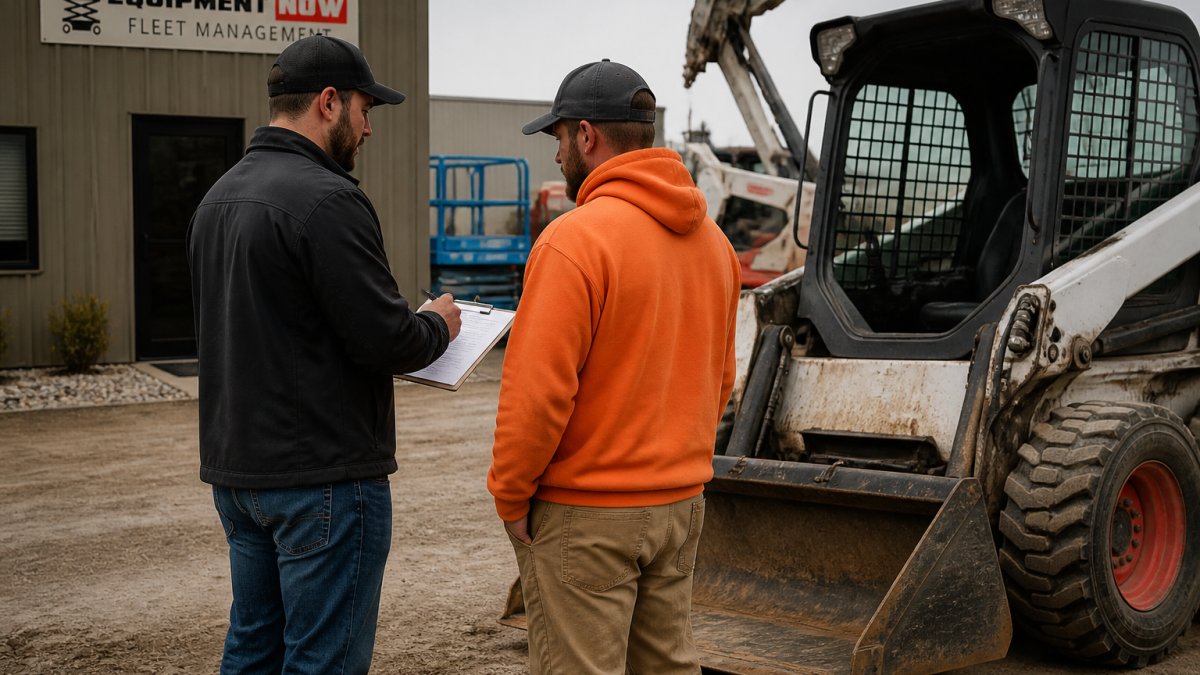
Daily equipment inspection is the practice of checking a machine's fluids, tires or tracks, hydraulics, safety systems, and structural components before each shift. Skipping it doesn't save time. It moves the cost from a ten-minute walkaround to a mid-project failure and an emergency rental call.
That math is the whole argument. A machine that fails on a job site stops your crew, delays your client, and forces you to source a replacement under pressure. The Occupational Safety and Health Administration standards for construction exist because unaddressed equipment defects cause injuries, not just downtime.
Below, we'll cover what the law actually requires, a checklist you can use tomorrow, and why a managed fleet beats auction buying for most contractors.
OSHA Heavy Equipment Inspection Requirements: What the Law Actually Says
OSHA does not publish a single rule that says "inspect every machine every day." Instead, several standards stack together so that, in practice, most equipment in regular service gets checked before each shift. Understanding which standard applies to which machine is what separates a defensible inspection program from a clipboard that never gets used.
The three standards that do the most work for contractors:
- Powered industrial trucks (29 CFR 1910.178(q)(7)). Forklifts and similar trucks must be examined before being placed in service each shift. If the truck is used around the clock, it must be examined after each shift. The rule also requires that the inspection be documented, which is why a signed and dated log matters more here than on any other machine type.
- Earthmoving equipment (29 CFR 1926.602(a)(2)). Material-handling equipment such as bulldozers, scrapers, and loaders must be inspected at the start of each shift for defects that could affect safe operation. Any defect that would make the machine unsafe takes it out of service until repaired.
- General duty and construction safety (29 CFR 1926.20(b)(2) and 1926.21). These require employers to run a safety program that includes frequent and regular inspections of job sites, materials, and equipment by a competent person. This is the catch-all that most contractors fall under even when no machine-specific rule applies.
The practical takeaway: federal rules do not care what you call the inspection. They care that a defect was caught before it hurt someone and that you can prove it was caught. Detailed requirements are published in OSHA's construction industry regulations.
Where this connects to fleet management is straightforward. A managed fleet keeps the inspection log, the repair history, and the operator assignment in one place, so when a regulator, an insurer, or a plaintiff's attorney asks what happened, the answer is already assembled. Contractors who run inspections on paper and store them in a truck cab are the ones who end up reconstructing records after the fact, usually from memory, usually under pressure.
Daily Equipment Inspection Checklist Template: What to Check and When
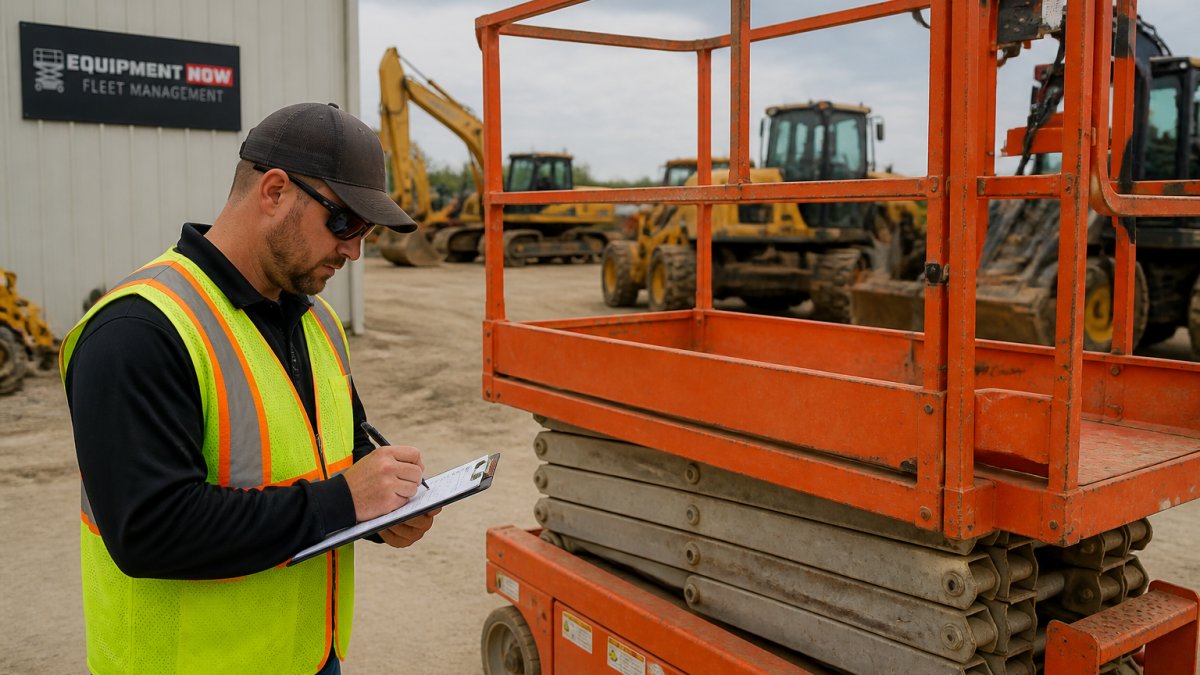
A daily equipment inspection checklist should cover fluids, tires or tracks, hydraulics, safety devices, and operator controls, completed before the machine moves. The check takes about ten minutes per unit. The list below works for most earthmoving and aerial equipment.
Before start-up:
- Walk around the machine and look for leaks, cracks, or loose hardware
- Check engine oil, coolant, hydraulic fluid, and fuel levels
- Inspect tires or tracks for wear, pressure, and damage
- Test lights, backup alarms, and horn
- Confirm the fire extinguisher is charged and mounted
After start-up:
- Listen for unusual engine or hydraulic noise
- Test brakes, steering, and parking brake
- Cycle the boom, bucket, or lift through full range
- Check gauges and warning lights
- Confirm no hydraulic leaks appear under load
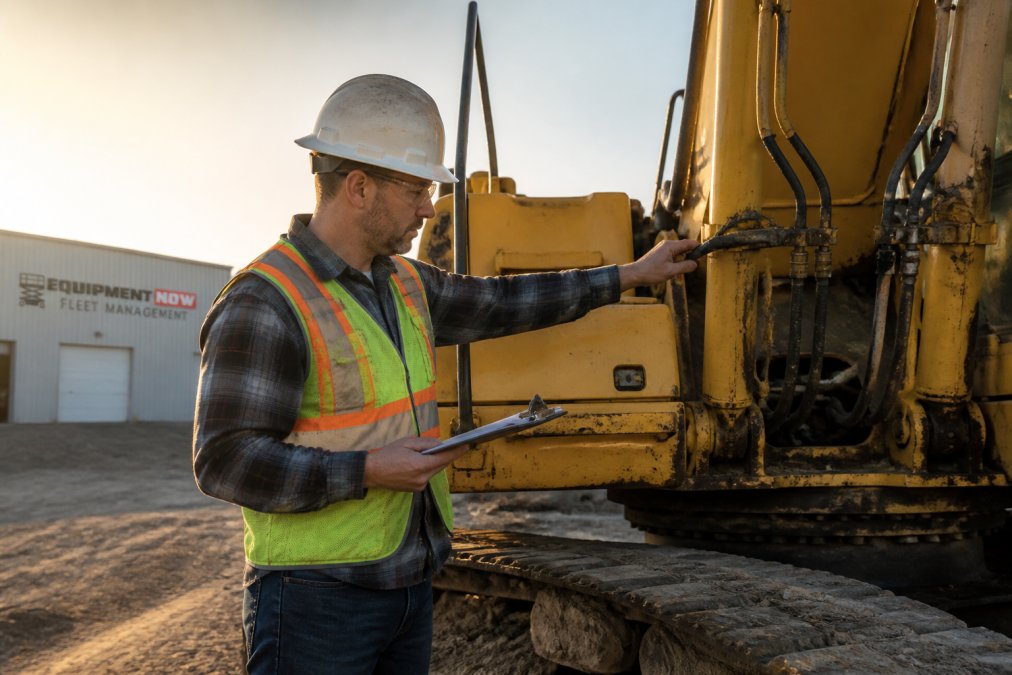
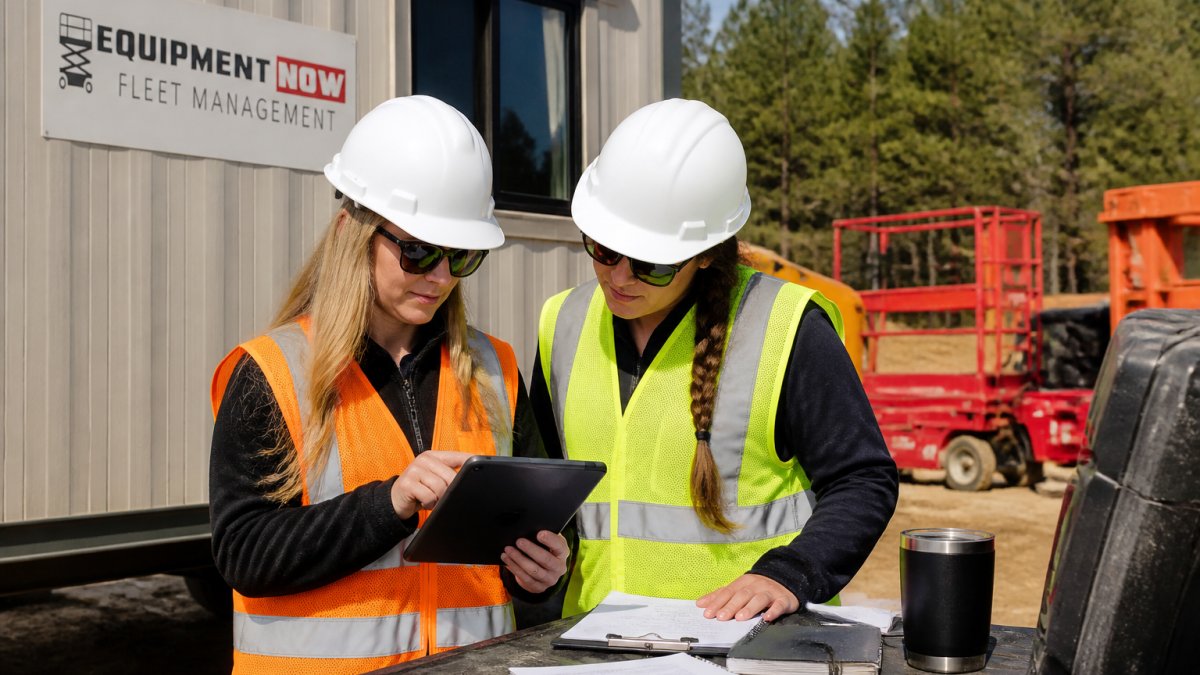
Log the results every time, even when everything passes. A clean record is what protects you when a machine fails later and someone asks when the problem started.
Benefits of Preventive Maintenance for Construction Equipment
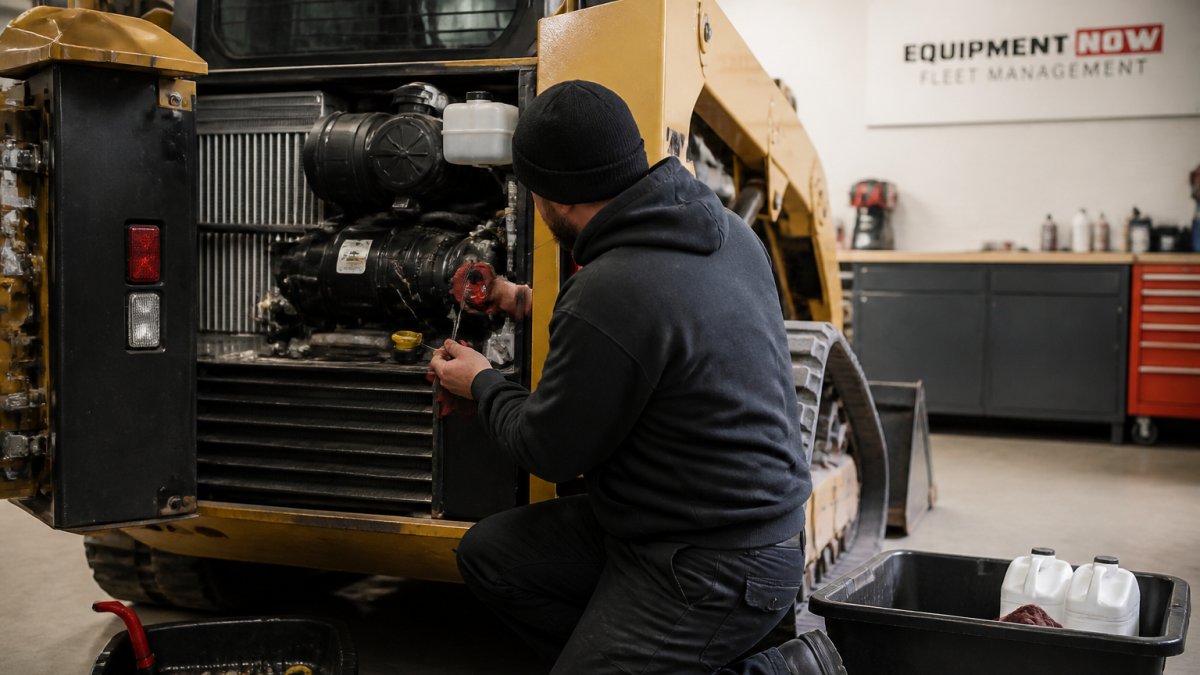
Preventive maintenance turns small, cheap fixes into scheduled ones instead of emergencies. That's the core benefit.
- Longer equipment life. Machines that get routine service on an hour-based schedule reach their major-component rebuild intervals instead of failing before them. A machine that runs eight hours a day needs service on a different schedule than one that runs two, which is why hour tracking beats calendar tracking.
- Lower downtime. Scheduled service happens when you plan for it. Unscheduled service happens when it's most disruptive. The gap between those two is the entire argument for preventive maintenance.
- Better resale value. A documented maintenance history is the single strongest lever a seller has in a consignment sale. Buyers pay for records, and a machine with a clean, timestamped service log consistently draws more interest than an identical unit with no history.
- Fewer safety incidents. Worn brakes and cracked hoses are hazards before they are breakdowns. Catching them on a daily walkaround is cheaper than catching them in an incident report.
Here's the angle most articles miss: preventive maintenance is not just a cost center, it is the mechanism that protects resale value. When a contractor decides to sell, the difference between an auction and a consignment sale is often the paperwork. At auction, the buyer assumes the worst and prices accordingly. In a consignment sale, the seller can present the service history, the inspection logs, and the repair records, and the machine sells on its merits rather than on the room's mood. Fleet management is what produces those records in the first place. Without a maintenance program, there is nothing to show a buyer except the machine itself, and that is exactly the position auction sellers are in.
Fleet Management vs Auction Sales: Why Consignment Wins
Consignment sales beat auctions for most contractors selling equipment, and fleet management beats both for anyone running multiple machines. Here's the honest comparison.
| Approach | Control Over Price | Timing | Best For |
|---|---|---|---|
| Auction | Low | Immediate | Clearing out quickly |
| Consignment | High | Flexible | Maximizing resale value |
| Fleet management | Highest | Planned | Multi-machine operations |
Digital vs. Paper Inspection Workflows: The Compliance Psychology Factor
Digital inspection workflows get completed more often than paper ones, and the reason is psychological, not technical. A paper form sits in a truck and gets filled out from memory at the end of the week. A digital form prompts the operator at the start of the shift and won't close until it's done.
Common Mistakes That Make Daily Equipment Inspection a Waste of Time
Daily inspection becomes a waste of time when it's treated as a signature rather than a check. The most common mistake is signing off without looking, which produces a record that protects no one.
Other mistakes that erode the value:
- Checking only what's easy. Fluids and tires get attention; brakes and safety devices get skipped.
- Ignoring small findings. A slow leak logged and forgotten becomes a failure later.
- No follow-up on defects. An inspection without a repair process just documents the problem.
- Inconsistent checklists. Different operators checking different things means gaps.
- No review of trends. One leak is noise; the same leak on three machines is a pattern.
Conclusion
The real challenge isn't deciding whether daily inspection is worth the time. It's building a system where inspections, maintenance, and equipment decisions work together instead of in isolation. That's where Equipment Now Rental and Sales comes in.
Frequently Asked Questions
Why is it important to inspect heavy equipment before every shift?
Daily inspections catch small problems before they become expensive failures. A loose hydraulic fitting or worn belt found in five minutes can prevent a mid-shift breakdown that costs hours of downtime and thousands in repairs. OSHA requires inspections of certain equipment before each shift, and documented checks reduce liability if an accident occurs. Regular daily equipment inspection also extends the asset's lifespan and protects resale value.
How do daily inspections reduce long-term fleet management costs?
Consistent daily equipment inspection catches issues early, avoiding catastrophic breakdowns that require emergency repairs and rental replacements. It also keeps equipment in better condition, which supports higher resale value when you consign through a fleet management service rather than selling at auction. Over time, the labor cost of inspections is far lower than the combined cost of downtime, emergency repairs, and accelerated depreciation.
What are the legal and safety requirements for construction equipment inspections?
OSHA requires that heavy equipment be inspected before each shift and at intervals during use. Specific standards like 29 CFR 1926.600 for earthmoving equipment and 29 CFR 1926.453 for aerial lifts mandate inspections and maintenance. Keeping signed daily equipment inspection checklist records demonstrates compliance and reduces liability. Requirements vary by equipment type, so check the relevant OSHA standard for your machinery.
What should be included in a standard daily equipment inspection checklist?
A daily equipment inspection checklist template should cover fluid levels (oil, coolant, hydraulic fluid), tire condition and pressure, hydraulic hoses for leaks or wear, safety devices like backup alarms and lights, seat belts, brakes, steering, and visible structural damage. Record the date, equipment ID, inspector name, and any issues found. File completed checklists for at least the period required by OSHA or your insurance carrier.