 listicle
Fleet Maintenance Software Benefits: A 2026 Guide
Table of Contents
- Why Fleet Maintenance Software Matters for Equipment Operations
- Cost Reduction and Operational Efficiency Through Real-Time Monitoring
- Reducing Equipment Downtime with Software-Driven Maintenance
- Preventive Maintenance Software for Construction: Moving Beyond Reactive Repairs
- Driver Safety, Compliance Reporting, and Regulatory Management
- Fleet Management and Equipment Consignment: A Better Alternative to Auctions
- Data-Driven Decision Making and ROI Calculation
- Frequently Asked Questions
Last Updated: October 2, 2026
Why Fleet Maintenance Software Matters for Equipment Operations
Fleet maintenance software has become essential for contractors and equipment managers who need to keep machinery running reliably. At Equipment Now Rental and Sales, we've seen firsthand how the right software transforms how teams handle preventive maintenance, reduce unexpected downtime, and make data-driven decisions about their assets.
The core challenge is simple: equipment breaks down when you least expect it, halting projects and draining budgets. Manual maintenance tracking, spreadsheets, paper logs, memory, doesn't scale. Fleet maintenance software benefits go far beyond just scheduling oil changes. It creates visibility into asset health, automates alerts before problems happen, and gives you the data to make smarter choices about equipment acquisition, maintenance, and retirement.
This guide covers the real-world advantages of fleet maintenance software and why equipment consignment through fleet management beats the unpredictability of auctions.
Cost Reduction and Operational Efficiency Through Real-Time Monitoring
Real-time visibility into your fleet's condition is where cost savings begin. Fleet maintenance software benefits include continuous monitoring of equipment health through telematics data, which tracks engine performance, fuel consumption, idle time, and component wear.
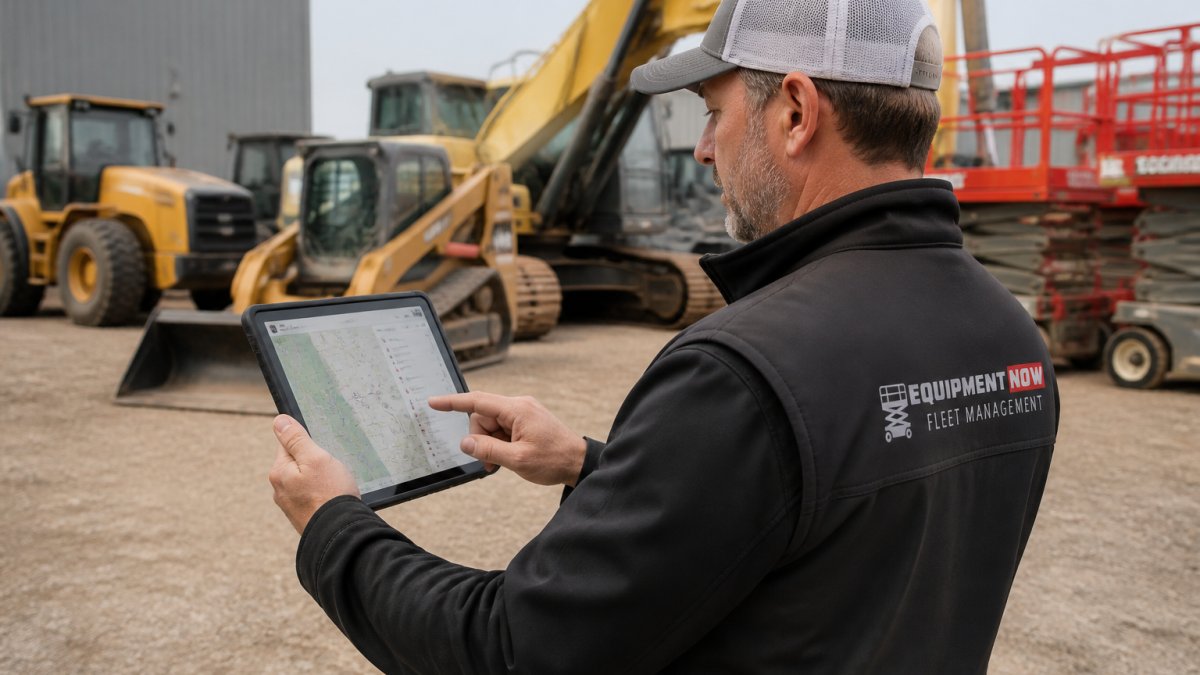
When you know exactly what's happening with each piece of equipment, you avoid surprises. Unexpected repairs cost far more than scheduled maintenance. Software-driven monitoring catches issues early, a failing hydraulic seal, a transmission running hot, fuel efficiency dropping, before they become emergency repairs that halt your project.
The operational efficiency gains come from automating routine tasks. Maintenance scheduling happens automatically based on equipment hours, not guesswork. Fuel consumption is tracked across your fleet, revealing which machines are burning through fuel faster than they should. Idle time is flagged, showing you equipment sitting unused or being operated inefficiently. These insights let you right-size your fleet and eliminate waste.
For teams managing multiple properties or job sites, real-time visibility means no more calling around to confirm equipment status. Dispatchers see availability instantly. Maintenance teams know which machines need attention this week. Project managers know whether a specific piece of equipment will be ready for the next job.
Reducing Equipment Downtime with Software-Driven Maintenance
Equipment downtime is one of the largest hidden costs in construction and landscaping operations. A single day of downtime on a major project can cost thousands in labor, delays, and missed deadlines. Fleet maintenance software benefits directly address this by moving from reactive repair to preventive maintenance.
Preventive maintenance is the foundation of uptime. Instead of waiting for a machine to break, software schedules maintenance before failure occurs. Oil changes happen on time. Filters are replaced before they clog. Belts are inspected and replaced before they snap. This approach keeps equipment running and extends its useful life.
Automated alerts are the key mechanism. When a machine reaches a maintenance threshold, based on operating hours, days elapsed, or performance metrics, the system notifies the maintenance team automatically. No one forgets. No one guesses. The work gets scheduled before the equipment fails.
When downtime does happen, having a maintenance history in the system speeds repairs. Technicians see exactly what work was done previously, what parts were replaced, and what issues recurred. This context reduces diagnostic time and prevents repeated mistakes.
Preventive Maintenance Software for Construction: Moving Beyond Reactive Repairs
Construction equipment operates in harsh conditions. Dust, mud, temperature swings, and heavy loads accelerate wear. Preventive maintenance software for construction is designed specifically for these realities, tracking wear patterns and scheduling maintenance before conditions deteriorate.
The difference between reactive and preventive maintenance is dramatic. Reactive means you fix things after they break. Preventive means you fix them before they break. In construction, reactive maintenance often happens mid-project, creating cascading delays. Preventive maintenance happens during planned downtime between jobs, keeping your fleet ready when you need it.
Fleet maintenance software benefits include detailed maintenance histories that reveal patterns. If a particular machine consistently needs transmission work, you'll see it in the data. If a brand of equipment tends to have hydraulic failures, the pattern emerges. This intelligence informs future equipment decisions, whether to invest in more reliable brands or retire equipment before it becomes a liability.
Many teams also use software to manage compliance with equipment manufacturer recommendations. OEM maintenance schedules are built into the system, ensuring you're following guidelines that preserve warranties and reliability.
Driver Safety, Compliance Reporting, and Regulatory Management
Fleet safety extends beyond equipment condition to how equipment is operated. Fleet maintenance software benefits include driver behavior monitoring, acceleration patterns, braking habits, idle time, and adherence to safe operating procedures. This data improves accountability and reduces accidents.
Regulatory compliance is another critical benefit. Construction and landscaping operations must comply with equipment safety standards, maintenance documentation requirements, and reporting obligations. Software automates compliance by maintaining audit trails, generating required reports, and alerting you when certifications expire.
Real-time visibility also supports compliance management. You can demonstrate that equipment was properly maintained, that inspections happened on schedule, and that repairs were completed by qualified technicians. This documentation protects you in liability situations and during audits.
Fleet Management and Equipment Consignment: A Better Alternative to Auctions
Here's where fleet management strategy intersects with equipment acquisition: consignment through fleet management providers like Equipment Now Rental and Sales offers far more control and predictability than auction-based purchasing.
When you buy equipment at auctions, you're buying blind. You don't know the maintenance history. You don't know how hard the previous owner worked the machine. You get a pre-sale inspection, but that's a snapshot, not a guarantee. You own the risk immediately. If something fails three months later, that's your problem and your cost.
Fleet consignment through equipment providers works differently. Equipment comes from vetted sources with documented maintenance histories. You have the option to rent, lease, or purchase with confidence because the provider has already validated the equipment's condition. If something fails during the consignment period, the provider handles it. You're not stuck with a broken machine on a job site.
The fleet management benefits of consignment include:
- Documented maintenance history: You know exactly what work has been done on every piece of equipment
- Predictable costs: Maintenance is either included or clearly outlined, no surprises
- Flexibility: Upgrade or swap equipment without the hassle of selling used machines
- Professional asset management: Providers handle lifecycle decisions, when to retire equipment, when to upgrade, when to reinvest
- Simplified compliance: Equipment providers manage regulatory requirements and certifications
Equipment Now Rental and Sales offers full-service fleet management that includes equipment acquisition, preventive maintenance, GPS tracking, compliance management, cost analysis, and asset retirement. This approach eliminates the uncertainty of auctions and the complexity of managing equipment lifecycles on your own.
Data-Driven Decision Making and ROI Calculation
Fleet maintenance software benefits culminate in measurable ROI, but only if you know how to calculate it. Most managers struggle to quantify the business case before purchase. Here's a practical framework.
The ROI Calculation Framework
Start with three baseline metrics from your current operations (manual tracking, spreadsheets, or memory):
-
Average annual unplanned downtime cost per machine, Calculate this by tracking how many hours per year each piece of equipment is down due to unexpected failures, multiplied by the fully-loaded cost per hour (operator wages, project delays, equipment rental to cover the gap).
-
Annual maintenance spend that could have been prevented, Review your repair invoices from the past 12 months. Identify repairs that were emergency calls versus scheduled maintenance.
-
Current labor cost for maintenance scheduling and compliance tracking, How many hours per week does a person (or partial FTE) spend managing maintenance schedules, calling vendors, tracking certifications, or compiling compliance reports? Multiply by fully-loaded hourly rate.
The Benefit Side
Fleet maintenance software typically delivers:
- Downtime reduction: Preventive maintenance catches issues before failure.
- Maintenance cost optimization: Automated scheduling and early-warning alerts reduce emergency repairs.
- Labor efficiency: Automated alerts, compliance reporting, and centralized asset tracking eliminate manual coordination.
- Extended asset life:
Simple ROI Formula
Frequently Asked Questions
What are the primary benefits of using fleet maintenance software?
Fleet maintenance software delivers real-time visibility into vehicle and equipment health, automated maintenance scheduling, reduced downtime, lower operational costs, and improved regulatory compliance. It eliminates manual tracking, prevents costly equipment failures, and enables data-driven decisions about maintenance priorities and asset lifecycle management. Most organizations see faster turnaround times and better accountability across their entire fleet.
How does preventive maintenance software for construction help avoid equipment breakdowns?
Preventive maintenance software monitors equipment health continuously, generating automated alerts before problems occur. Instead of waiting for a breakdown on-site, your team schedules maintenance during planned downtime. This approach reduces emergency repairs, extends asset lifespan, and keeps your fleet operating at peak efficiency. Construction teams benefit from predictable maintenance windows that don't disrupt project schedules.
Why is equipment consignment better than selling at auction?
Consignment through fleet management providers preserves equipment value by ensuring proper maintenance and documentation throughout the asset's lifecycle. Auction sales often result in lower recovery value and require upfront logistics costs. Consignment aligns equipment condition with market demand, provides transparent pricing based on actual asset value, and eliminates the uncertainty of auction outcomes. It's a more strategic approach to equipment lifecycle management.
Can fleet maintenance software help with regulatory compliance?
Yes. Fleet maintenance software automates compliance reporting for safety standards and regulatory requirements, maintains detailed maintenance records, tracks driver behavior and safety metrics, and generates audit-ready documentation. This reduces compliance risk, simplifies inspections, and ensures your fleet meets all applicable regulations without manual record-keeping.