 listicle
Common Causes of Construction Equipment Engine Failure
Table of Contents
- Why Construction Equipment Engines Fail: The Big Picture
- Poor Lubrication and Oil Contamination
- Engine Overheating: Cooling System Breakdowns
- Fuel System Contamination and Injector Problems
- Hydraulic System Leaks and Component Fatigue
- Undercarriage Wear and Environmental Stressors
- Signs of Diesel Engine Failure You Should Never Ignore
- How to Prevent Construction Equipment Downtime
- Frequently Asked Questions
Last Updated: September 13, 2026
Why Construction Equipment Engines Fail: The Big Picture
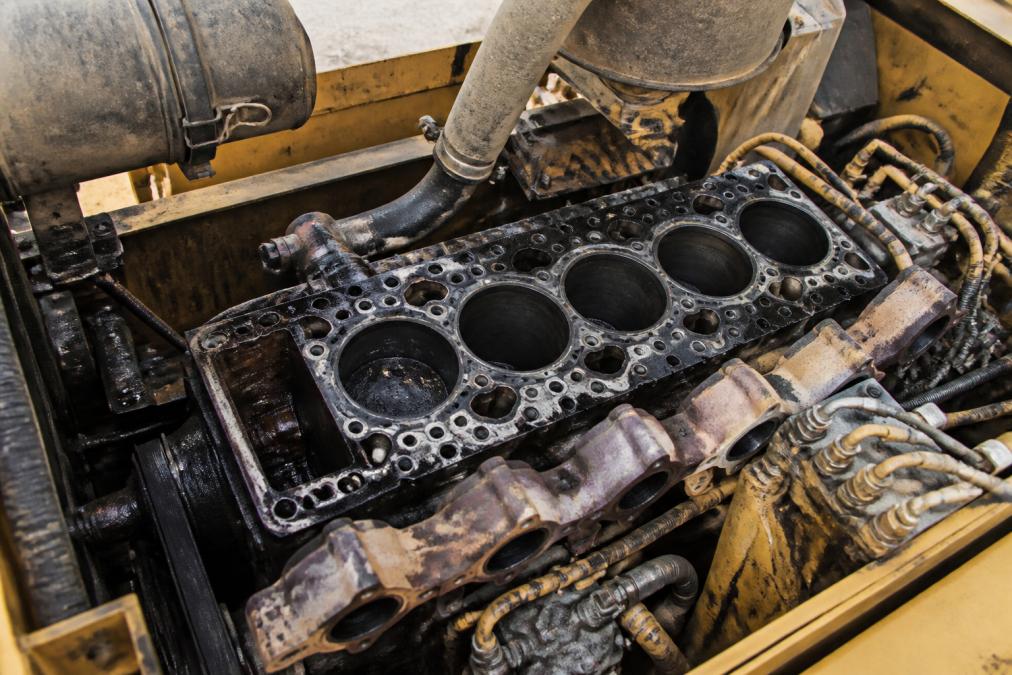
Construction equipment engine failure rarely happens without warning. It is the end result of months of accumulated neglect, contaminated fluids, and ignored diagnostic codes. Engine failure is the premature breakdown of internal components from wear, contamination, or thermal stress that stops a machine from operating. The U.S. Department of Energy's Vehicle Technologies Office tracks how fuel quality and lubrication directly affect engine longevity in heavy machinery. Below, we break down the seven most common causes and how to prevent each one.
Poor Lubrication and Oil Contamination
Poor lubrication is the single most common cause of premature engine failure in construction equipment. (energy.gov) Oil that has lost viscosity or picked up dirt particles cannot protect bearings, pistons, and cylinder walls from metal-on-metal contact.
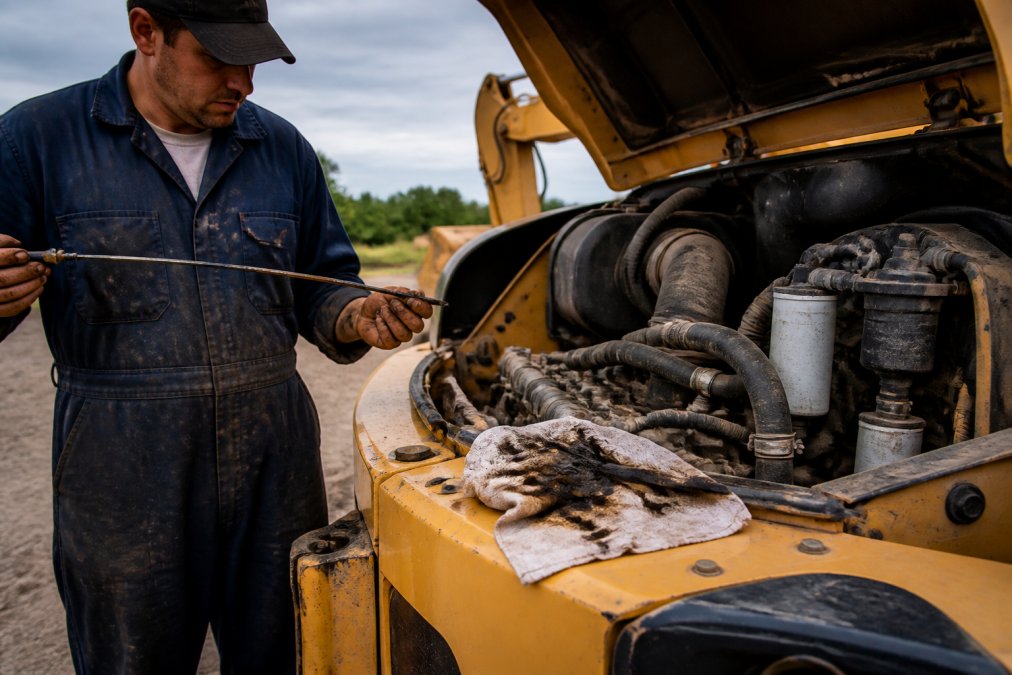
A common mistake is extending oil change intervals because the machine "seems fine." In dusty conditions, oil degrades faster than the manufacturer's baseline schedule assumes, and contaminants like silica dust and metal shavings accelerate crankcase wear. Check oil viscosity and contamination at every service interval, and never top off with the wrong grade.
Engine Overheating: Cooling System Breakdowns
Engine overheating ranks second among construction equipment engine failure causes, and it is almost always preventable. A clogged radiator, failing thermostat, or low coolant level forces the engine above its designed temperature range, warping cylinder heads and cracking gaskets.
Thermal stress compounds over time: each overheating event weakens the metal even if the machine recovers. Pressure-test the cooling system seasonally, replace coolant on schedule, and clear debris from the radiator fins after every dusty project. Ignoring a temperature warning light turns a repairable issue into a full engine replacement.
Fuel System Contamination and Injector Problems
Fuel system integrity determines how cleanly an engine burns diesel, and contamination is a quiet killer. Water, dirt, and microbial growth in fuel tanks travel straight to the injectors, causing poor spray patterns, rough idling, and eventually complete injector failure.
According to the U.S. Environmental Protection Agency's diesel fuel standards, fuel quality and sulfur content affect how modern injectors and emissions components perform. The diesel particulate filter is especially vulnerable: contaminated fuel leads to soot overload and forced regeneration cycles that stress the entire exhaust system. Drain water separators weekly, replace fuel filters on schedule, and never refuel from an unverified source.
Hydraulic System Leaks and Component Fatigue
Hydraulic leaks and component fatigue often get dismissed as "just a drip," but they signal deeper problems. Fluid escaping through worn seals reduces system pressure, forcing the pump to work harder and generating excess heat that shortens engine and hydraulic component life.
Seals degrade from age, heat, and contaminated fluid. When pressure drops, operators push the machine harder, accelerating wear on the pump and engine. Inspect hoses and fittings weekly, replace seals at the first sign of weeping, and monitor fluid levels daily. A small leak caught early costs far less than a failed hydraulic pump.
Undercarriage Wear and Environmental Stressors
Undercarriage wear and environmental stressors rarely get linked to engine failure, but the connection runs through measurable load. A worn undercarriage increases rolling resistance, raising exhaust gas temperature, fuel burn, and sustained engine load to move the same weight. Over a season, that load profile pushes an otherwise healthy engine toward thermal and lubrication failure.
How undercarriage wear transfers load to the engine
Tracked machines are the clearest case. As sprockets, idlers, track chains, and rollers wear, the machine loses forward efficiency, and the operator compensates with more throttle and more torque converter or hydrostatic load, raising coolant and oil temperature at once. On wheeled loaders and backhoes, worn tires and misaligned axles do the same, the engine works harder to overcome drivetrain drag unrelated to the work being performed.
A pattern most fleet mechanics recognize: when fuel consumption per hour creeps up on a machine whose workload has not changed, check the undercarriage or drivetrain first, not the injectors.
Environmental stressors by machine type
Different machines fail differently in the same environment, so a single generic checklist misses real failures:
- Excavators: Dust pulled through the intake during bucket work is the dominant wear driver. Silica that passes a compromised air filter reaches the cylinder walls and accelerates ring and liner wear. Hydraulic heat from continuous cycling also raises engine bay temperatures.
- Wheel loaders: Constant direction changes and high-cycle bucket work stress the cooling package. Radiator and charge-air cooler fins pack with debris quickly, and the resulting heat soak is a common precursor to head gasket failure.
- Dozers: High-load, low-speed operation keeps exhaust gas temperatures elevated for long stretches. Combined with undercarriage drag, dozers run closer to their thermal limit than almost any other machine on site.
- Skid steers: Tight engine compartments trap heat, and the rear-mounted radiator is prone to plugging with dust and debris. Overheating codes on skid steers are frequently a cleaning issue, not a component failure.
Moisture, temperature swings, and electrical degradation
Moisture ingress corrodes electrical connectors, grounds, and sensor calibration points. A drifting coolant temperature sensor or corroded injector harness connector can mimic a mechanical fault, and misdiagnosis leads to unnecessary parts replacement. Temperature swings stress seals and gaskets through repeated expansion and contraction, and the resulting small coolant or oil weep is often the first sign of a larger problem.
What to actually inspect, and how often
- Track tension and undercarriage component wear, every 250 hours, or sooner in abrasive ground
- Air intake filter restriction indicator, every shift in dusty conditions
- Radiator, oil cooler, and charge-air cooler fins, after every dusty project, not just at service intervals
- Electrical connector and ground condition, quarterly, and after any pressure washing
- Seal and gasket weeping at the front cover, oil pan, and head, at every oil change
The predictive angle most articles skip
Environmental and undercarriage stress is where telematics earns its keep. Modern platforms log coolant temperature trends, exhaust gas temperature, fuel consumption per hour, and idle-to-load ratios. When fuel burn per hour rises on a machine whose duty cycle has not changed, or coolant temperature trends upward across weeks, that pattern usually points to undercarriage drag, a fouled cooling package, or a failing thermostat, long before a warning light appears. Catching it then is a cleaning or adjustment; catching it after a thermal event is an engine rebuild.
For operators weighing repair versus replace, the undercarriage is often the deciding factor. Significant undercarriage wear plus a heat-related engine fault usually means the two repairs together approach the cost of replacement, while an isolated engine fault on a machine with healthy undercarriage is almost always worth repairing.
Signs of Diesel Engine Failure You Should Never Ignore
Signs of diesel engine failure include unusual exhaust smoke, unexplained oil consumption, loss of power under load, and persistent diagnostic codes. Catching these early separates a minor repair from a catastrophic breakdown, but the symptom that matters most depends on the machine, and the first code to fire is often not the system actually failing.
Symptoms by machine type
Generic symptom lists treat every machine the same, but the first warning sign differs by platform:
- Excavators: Rising hydraulic oil temperature alongside normal coolant temperature usually points to a hydraulic restriction or pump wear, not an engine fault. Black smoke under load with normal boost pressure often traces to injector imbalance rather than turbo failure.
- Wheel loaders: Coolant temperature spikes during high-cycle bucket work that resolve when the machine idles are a classic sign of a partially plugged radiator or charge-air cooler, not a failing water pump. Transmission temperature codes that accompany engine derate often indicate a shared cooling circuit problem.
- Dozers: Elevated exhaust gas temperature with normal coolant temperature is the dozer-specific warning. Because dozers run at high load and low speed, EGT climbs before coolant temperature does, and by the time coolant temperature rises, the damage is often already done.
- Skid steers: Repeated high-temperature codes that clear after the machine cools are usually a debris-plugged radiator, not a thermostat. Hydraulic over-temperature warnings on skid steers frequently precede engine derate because the two systems share the same tight engine bay.
What each symptom actually means
- Blue exhaust smoke: Oil is entering the combustion chamber, typically worn valve guides, worn piston rings, or a failed turbo seal. Blue smoke on cold start is usually valve guides; blue smoke under load points to rings or turbo.
- Black exhaust smoke under load: Incomplete combustion from over-fueling or insufficient air. Check air filter restriction and boost pressure before assuming injector failure.
- White exhaust smoke: Unburned fuel or coolant entering the cylinder. Persistent white smoke with coolant loss points to a head gasket or cracked head.
- Unexplained oil consumption: More than the manufacturer's published allowance between service intervals. Confirm the consumption rate over a full interval before condemning the engine.
- Loss of power under load: Can be fuel delivery, air restriction, turbo, or aftertreatment. A diagnostic scan and a boost pressure test narrow it quickly.
- Vibration that increases with RPM: Rotating assembly imbalance, worn engine mounts, or a failing damper. Vibration that appears only under load often points to injector imbalance.
- Repeated diagnostic codes for the same sensor: Usually a wiring or connector fault, not a failed sensor. Replacing the sensor without repairing the harness is a common and expensive mistake.
Reading diagnostic codes correctly
Modern diesel engines store fault codes across multiple modules, engine control, aftertreatment, transmission, and hydraulic. A low boost pressure code can stem from a clogged air filter, leaking charge-air cooler, stuck wastegate, or failed turbo, and the code alone does not tell you which. Likewise, a DPF regeneration fault is frequently a symptom of an upstream injector or EGR problem, not a DPF problem.
The practical rule: treat the first code as a starting point, not a diagnosis. Pull freeze-frame data for the moment the code set, and compare it against the machine's normal operating range.
The telematics angle most articles miss
Telematics and predictive maintenance data turn this symptom list into an early-warning system. Modern fleet platforms log:
- Coolant temperature trends over weeks, not just peak values
- Exhaust gas temperature under load
- Fuel consumption per hour against the machine's baseline duty cycle
- Idle-to-load ratio and derate events
- Regeneration frequency and duration on aftertreatment-equipped machines
A slow upward drift in coolant temperature, or a gradual rise in fuel consumption per hour with no change in workload, is a leading indicator that shows up long before a warning light. Catching a trend at this stage turns a potential engine rebuild into a cleaning, adjustment, or single-component repair. The value is not the sensor, it is the trend line.
When symptoms point to repair versus replace
A single symptom on a machine with healthy undercarriage and a clean service history is almost always worth diagnosing and repairing. Multiple symptoms across engine, aftertreatment, and hydraulic systems on a machine past roughly half its expected lifecycle hours usually point toward replacement, because chasing one repair after another exceeds the cost of a replacement unit. The framework is the same whether you own one machine or fifty: isolate the fault, price the repair against remaining lifecycle hours, and factor in the downtime cost of a repeat failure.
How to Prevent Construction Equipment Downtime
Preventing construction equipment downtime comes down to one thing: a planned maintenance schedule that actually gets followed. Reactive repairs cost more, take longer, and always seem to happen on the busiest week of the season.
Use this preventive maintenance checklist for heavy equipment:
| Task | Frequency | Why It Matters |
|---|---|---|
| Check oil level and viscosity | Daily | Prevents lubrication failure |
| Inspect coolant level and radiator | Daily | Avoids overheating damage |
| Drain fuel water separator | Weekly | Protects injectors and DPF |
| Inspect hydraulic hoses and seals | Weekly | Prevents pressure loss |
| Check air intake filter | Weekly in dust | Blocks abrasive contaminants |
| Full diagnostic scan | Monthly | Catches sensor faults early |
| Cooling system pressure test | Quarterly | Confirms system integrity |
| Oil and filter change | Per manufacturer schedule | Removes wear particles |
For operators weighing repair versus replace, the math usually favors repair when the machine has under half its expected lifecycle hours remaining and the failure is isolated. Once multiple major systems show wear at once, replacement often costs less than chasing one repair after another.
Equipment Now Rental and Sales maintains every rental unit on a documented preventive maintenance schedule. Our fleet management service includes GPS tracking, compliance monitoring, and cost analysis that flags problem machines before they fail.
Frequently Asked Questions
What is the most common cause of construction equipment engine failure?
Poor lubrication tops the list. When oil breaks down or becomes contaminated with dust and metal particles, it stops protecting moving parts. Friction builds, oil viscosity drops, and bearings wear faster. Over time this leads to seized components and complete engine failure. Following the manufacturer's oil change intervals and checking levels daily prevents most of these failures.
What are the early warning signs of a failing diesel engine?
Watch for blue or black exhaust smoke, unusual knocking or ticking sounds, a sudden drop in power, rising oil consumption, and overheating. Dashboard diagnostic codes are another early indicator. If you notice any of these signs of diesel engine failure, stop operating the machine and have it inspected. Catching problems early costs far less than a full rebuild.
How does fuel contamination cause engine failure?
Water, dirt, and microbial growth in diesel fuel clog fuel injectors and damage the injection pump. Contaminated fuel also accelerates wear on internal components and can cause misfires or complete shutdown. Using clean fuel, replacing fuel filters on schedule, and checking fuel system integrity after storage are the best defenses against contamination-related breakdowns.
How can I prevent construction equipment downtime on my job site?
Build a planned maintenance schedule around engine hours, not calendar dates. Check fluids, filters, belts, and hoses before every shift. Keep a spare set of critical filters and sensors on hand. If you rent equipment, choose a provider that documents its preventive maintenance so you know the machine was serviced before it arrives. These habits reduce unplanned downtime significantly.
Engine failure on a job site is a schedule killer, and the causes are almost always preventable: contaminated oil, neglected cooling systems, dirty fuel, and skipped service intervals. Equipment Now Rental and Sales offers well-maintained rental equipment, online booking with real-time availability, and full fleet management that includes preventive maintenance, GPS tracking, and cost analysis. Get started with Equipment Now Rental and Sales and keep your projects moving without the downtime.