 blog
blog
5 Essential Heavy Machinery Safety Gear Items for 2026
Table of Contents
- Why Heavy Machinery Safety Gear Matters on Every Jobsite
- 1. Head Protection: Hard Hats Built for Impact and Overhead Hazards
- 2. Eye and Face Protection: Protective Eyewear and Face Shields
- 3. Hearing Protection: Decibel Reduction in High-Noise Zones
- 4. High-Visibility Clothing and Reflective Gear for Operator Visibility
- 5. Protective Footwear and Gloves: Steel-Toed Boots and Hand Protection
- The Importance of Fleet Management for Safety Compliance
- Benefits of Equipment Consignment vs Auctions for Retiring Gear
- Frequently Asked Questions
Last Updated: September 20, 2026
Why Heavy Machinery Safety Gear Matters on Every Jobsite
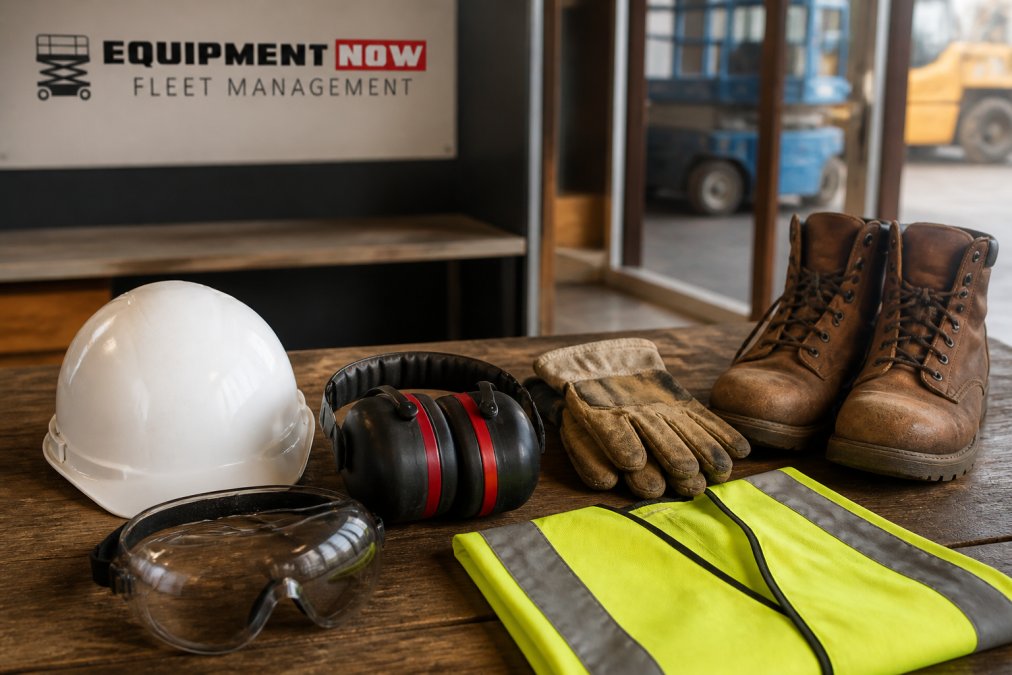
Heavy machinery safety starts with the person in the operator's seat. This guide from Equipment Now Rental and Sales covers the five essential heavy machinery safety gear items that protect workers around excavators, skid steers, and lifts. Each year, workplace injuries on construction sites send thousands of workers home hurt, according to the Bureau of Labor Statistics workplace injury data. Most of those injuries involve struck-by hazards, falls, and head trauma.
The right gear is not optional. It is the difference between a close call and a hospital visit.
Below, we break down each item, what it protects against, and how to keep it in working condition.
1. Head Protection: Hard Hats Built for Impact and Overhead Hazards
A hard hat is the first line of defense against head injuries on any site with overhead work or swinging loads.
Look for these features:
- Impact-resistant shell that resists penetration
- Suspension system that absorbs shock
- Chin strap for workers near moving equipment
2. Eye and Face Protection: Protective Eyewear and Face Shields
Protective eyewear and face shields guard against flying debris, dust, and chemical splashes. On sites with grinding, cutting, or concrete work, eye injuries happen fast.
Match the gear to the task:
- Safety glasses for general dust and chips
- Goggles for fine particles and liquids
- Face shields for grinding and cutting sparks
3. Hearing Protection: Decibel Reduction in High-Noise Zones
Hearing protection reduces the decibel level reaching the ear, preventing permanent damage from loud machinery. Equipment like jackhammers and compactors often runs above 85 decibels, the level where OSHA requires protection.
Options include:
- Disposable foam earplugs for short tasks
- Reusable earplugs with a cord
- Earmuffs for high-noise zones
4. High-Visibility Clothing and Reflective Gear for Operator Visibility
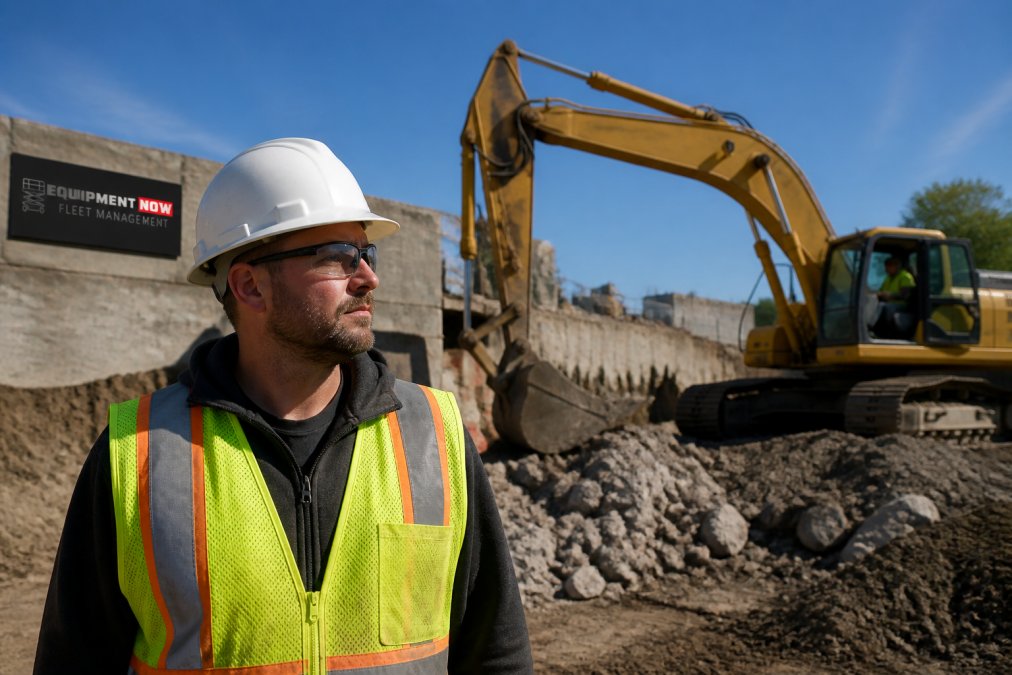
High-visibility clothing makes workers visible to machine operators, especially in low light or busy zones. Reflective gear matters most at dawn, dusk, and on night shifts.
Key picks:
- Class 2 vests for most site work
- Class 3 gear for high-speed traffic areas
- Reflective strips on sleeves and legs
5. Protective Footwear and Gloves: Steel-Toed Boots and Hand Protection
Steel-toed boots and work gloves protect the two body parts most exposed to crush injuries and cuts. The right footwear also reduces slips and foot fatigue.
For boots, check for:
- Steel or composite toe caps
- Slip-resistant soles
- Puncture-resistant midsoles
The Importance of Fleet Management for Safety Compliance
The importance of fleet management for safety compliance comes down to one thing: consistency. Safety gear only works when the machine behind it is maintained, inspected, and operated by someone trained on it. A fleet management program ties those threads together so nothing slips through, and it is the single highest-leverage investment a contractor can make in jobsite safety.
What a Fleet Management Program Actually Tracks
A working program is not a spreadsheet of serial numbers. It is a living record that connects four things:
- Equipment acquisition, matching the right machine to the task so operators are not improvising with the wrong tool.
- Preventive maintenance, service intervals tied to engine hours, not to memory.
- GPS tracking and utilization, knowing where every asset is and whether it is being run within its rated capacity.
- Compliance tracking, inspection logs, operator certifications, and repair records ready for review.
- Cost analysis and asset retirement, identifying machines whose repair bills have overtaken their productivity.
Why Consistency Beats Intensity
Most practitioners find that the failures that hurt are not dramatic breakdowns, they are quiet ones. A hydraulic hose that weeps for a week. A backup alarm that stops chirping. A lift that gets run past its service window because the crew was chasing a deadline. Each of those is a struck-by or crush hazard waiting for the wrong moment.
The Safety Gear Connection
Here is the part most gear guides miss: personal protective equipment is the last line of defense, not the first. A hard hat, safety glasses, and steel-toed boots protect the operator when everything upstream has already failed. Fleet management is what keeps the upstream from failing.
- A maintained machine runs cooler, quieter, and with fewer unexpected movements, which means less heat stress, less noise exposure, and fewer surprises for the operator.
- A tracked machine has its backup alarms, lights, and cameras verified, which is what makes high-visibility clothing effective instead of decorative.
- A trained operator on a known-good machine has the mental bandwidth to watch for the workers around them.
Building the Program Without Adding Headcount
Contractors rarely have a dedicated safety officer to spare. The practical path is to fold fleet management into the equipment relationship you already have. Equipment Now Rental and Sales builds this into its Fleet Management Service, covering acquisition, preventive maintenance, GPS tracking, compliance tracking, cost analysis, and asset retirement under one program.
| Gear Item | Protects Against | Replace When |
|---|---|---|
| Hard hat | Impact, overhead hazards | After impact or yearly |
| Eyewear | Debris, dust, splashes | Scratched or cracked |
| Hearing protection | Noise damage | Worn or dirty |
| High-vis clothing | Low visibility | Faded or torn |
| Boots and gloves | Crush, cuts, slips | Worn soles or holes |
The Payoff
A fleet management program pays for itself three ways: fewer breakdowns, fewer injuries, and a resale file that proves the machine was cared for. That last point matters more than most contractors realize, and it leads directly into the next section.
Benefits of Equipment Consignment vs Auctions for Retiring Gear
The benefits of equipment consignment vs auctions matter most at the end of an asset's life, when the machine that has been maintained under a fleet program finally reaches retirement. How you sell it determines whether that maintenance discipline shows up in the return.
Why Consignment Usually Wins on Value
Consignment lets you set a price and keep control of the sale. You are not forced to accept whatever the gavel brings on a given afternoon. The machine sits in front of buyers who are specifically shopping for that class of equipment, and you can hold for a fair offer instead of dumping at the first bid.
The Trade-Off, Stated Plainly
- Consignment: You keep more of the value, but it may take longer to sell. You control timing and price.
- Auctions: Fast sale, but fees and low bids cut your return. You trade value for speed.
For most contractors, consignment wins on value. You avoid auction fees and last-minute price drops, and you keep the maintenance file attached to the machine, which is exactly what a serious buyer wants to see.
Where Consignment Fits in the Fleet Lifecycle
Consignment is not a separate transaction from fleet management. It is the final stage of it. When asset retirement is built into the same program that handled acquisition and preventive maintenance, three things happen:
- The records travel with the machine. Service logs, inspection history, and repair receipts become part of the sale package.
- Timing is planned, not forced. You retire the asset when the numbers say to, not when a breakdown forces your hand.
- The return is reinvested. Proceeds from a consigned machine can roll into the next acquisition, keeping the fleet current and the safety baseline high.
A Note on Timing
The best time to consign a machine is while it still has productive life left, not after it has become a maintenance liability. A fleet program's cost analysis is what tells you when that window opens. Contractors who wait until a machine is unusable usually end up at auction, because consignment buyers will not pay for a project.
Frequently Asked Questions
What are the 5 essential heavy machinery safety gear items?
The five core items are head protection (hard hats), eye and face protection (safety glasses or face shields), hearing protection (earplugs or earmuffs), high-visibility clothing with reflective gear, and protective footwear and gloves such as steel-toed boots. Each addresses a specific hazard on heavy machinery jobsites, from falling objects and flying debris to noise, low operator visibility, and crush injuries. Pairing all five with a hazard assessment and OSHA-compliant training gives operators and ground crews the best protection.
How does proper safety gear reduce workplace liability?
Providing and enforcing the use of OSHA-compliant PPE lowers the risk of workplace injuries, which in turn reduces workers' compensation claims, downtime, and potential fines. Documented hazard assessments, equipment inspection logs, and operator training records show due diligence if an incident occurs. Many insurers also consider a written safety program when setting premiums. The result is fewer costly disruptions and a clearer legal position for the business.
What is the importance of high-visibility clothing in heavy machinery zones?
High-visibility clothing makes ground workers visible to operators of excavators, loaders, and other heavy equipment, especially in low light or dusty conditions. Reflective gear with retroreflective strips is important for dawn, dusk, and night work. ANSI standards classify high-visibility apparel by class, so match the class to the traffic speed and site conditions. The gear is only effective when it is clean, properly fitted, and replaced once reflectivity fades.
How does fleet management support safety compliance?
A fleet management program keeps equipment inspection, preventive maintenance, and operator training on schedule, which is central to OSHA compliance. GPS tracking and usage data help identify machines due for service before they fail. Documented maintenance and compliance records also support audits and insurance reviews. For contractors running multiple machines across jobsites, fleet management turns scattered safety tasks into a single, trackable system.
Retiring old machines and keeping crews safe both take planning. Equipment Now Rental and Sales makes it simple with online booking, real-time availability, and a full Fleet Management Service that covers acquisition, maintenance, compliance, and asset retirement. Get started with Equipment Now Rental and Sales and keep your fleet safe, compliant, and ready for the next job.