 how-to
What Are the Signs of Contaminated Fuel in Construction Machinery?
Quick Summary
Signs of contaminated fuel in construction machinery include hard starting, rough idle, loss of power, and repeated fuel filter clogging. Water, microbial growth, rust, sediment, and sludge are the most common contaminants. Draining the water separator and sampling fuel from the tank bottom help confirm the problem early.
- Water is the most common contaminant and often collects at the bottom of the tank.
- Operators should drain the water separator daily or at each refueling.
- Dark, slimy film and a rotten-egg odor point to microbial growth, known as diesel bug.
- Stop the machine and avoid running the engine if contamination is suspected.
- Document fuel sampling results and filter changes to support resale value.
Table of Contents
- Why Consignment Sales and Fleet Management Beat Auctions for Equipment Owners
- Why Fleet Management Makes Every Sale Easier
- What Consignment Offers That Auctions Often Do Not
- Common Contaminants Found in Diesel Fuel
- Why Contaminated Fuel Hurts Resale Value
- Diesel Fuel Contamination Prevention for Fleet Operations
- Building Preventive Maintenance Into Your Fleet Plan
- Next Steps for Your Fleet
- Frequently Asked Questions
Why Consignment Sales and Fleet Management Beat Auctions for Equipment Owners
Last Updated: November 1, 2026
Selling used construction equipment through an auction often means accepting the first price a crowd will pay on a single day. A consignment sale, managed alongside a structured fleet plan, usually gives owners more control over timing, price, and condition. The choice between these two routes affects far more than the final sale price.
Auctions are fast, but speed comes at a cost. Equipment goes to the block on a fixed date, often with limited inspection history and little time for buyers to compare options. Consignment lets an owner set a realistic asking price, hold out for the right buyer, and present machines with complete maintenance records. Fleet management makes that process easier because service logs, fuel records, and inspection data are already organized when the sale begins.
Why Fleet Management Makes Every Sale Easier
A managed fleet tells a clearer story. When preventive maintenance, fuel records, and repair history are kept current, buyers can verify condition before they commit. That documentation supports stronger prices and fewer disputes after the sale.
Fleet management also helps owners decide when to sell. Tracking hours, repair frequency, and projected maintenance costs shows which machines are losing value and which still earn their keep. Selling at the right point in a machine's life usually brings more money back than waiting for a bad year to force a quick decision at auction.
- Complete service records build buyer confidence
- Usage data shows the best time to sell
- Organized fleet records reduce last-minute paperwork
What Consignment Offers That Auctions Often Do Not
Consignment gives the owner more say in the outcome. The equipment stays under a set agreement, the asking price reflects the actual market, and the machine gets presented to buyers who are actively looking for that type of unit.
For a well-maintained fleet unit, consignment is the route to weigh first. The key is matching the sale method to the equipment's condition, age, and the owner's timeline.
Common Contaminants Found in Diesel Fuel
Contaminated fuel is one of the more costly problems a fleet can face, and it shows up in both resale value and daily operations. In construction machinery, the consequences are amplified because equipment often sits idle between jobs, refuels from portable tanks on site, and operates under heavy load in dusty environments. Water, microbial growth, rust, sediment, and sludge are the most common contaminants. Each one leaves distinct clues and causes different damage.
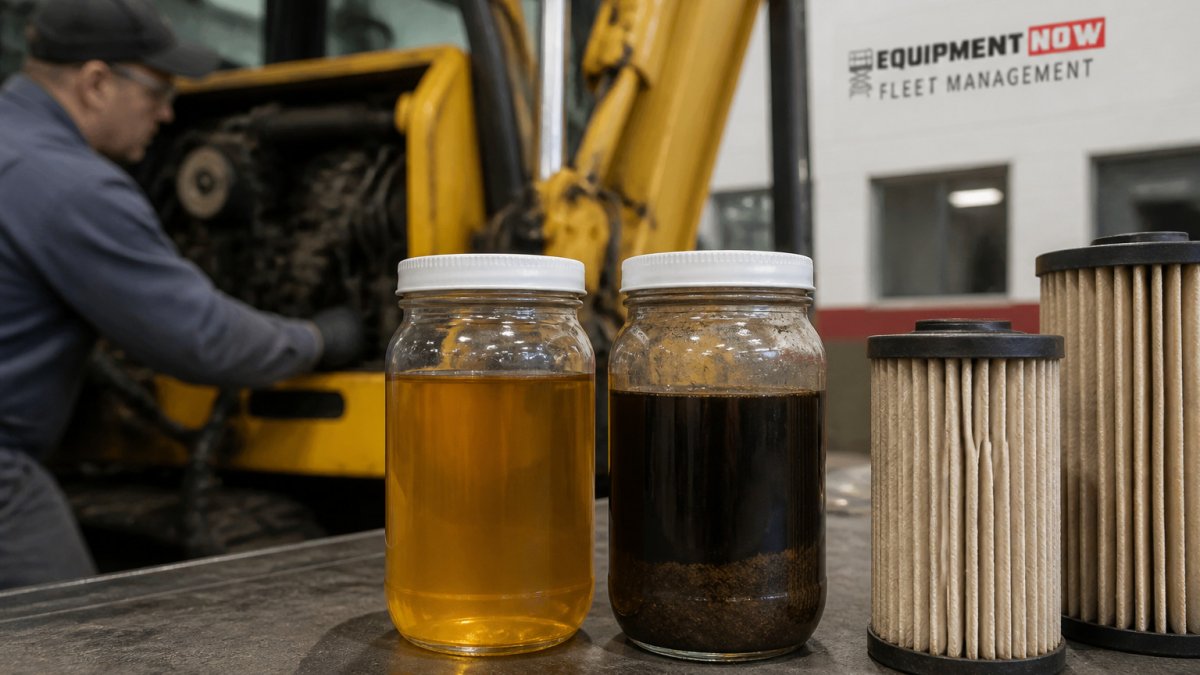
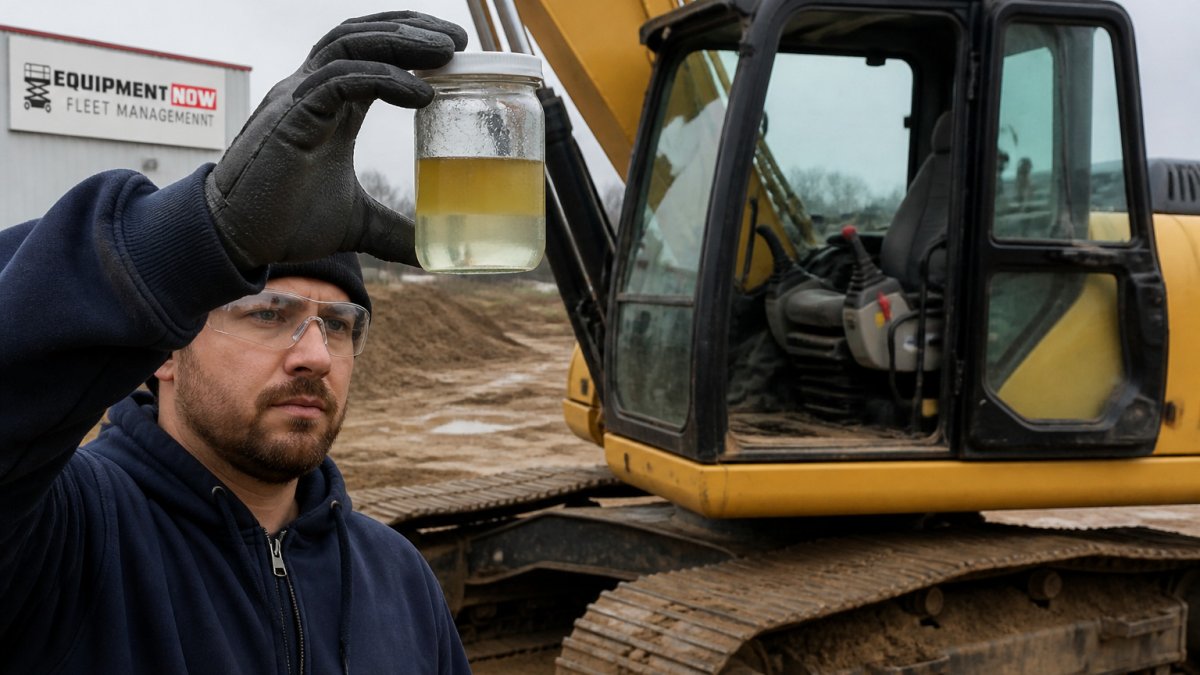
Water is the most common contaminant and often the easiest to overlook. It enters through condensation in partially filled tanks, poor sealing at the fill cap, or contaminated supplier fuel. In an excavator or loader, water typically collects at the bottom of the fuel tank and in the water separator. Operators may notice a fuel filter warning light, rough running after refueling, or a visible layer in a fuel sample drawn from the tank drain. Water damages injectors because it lacks lubricity and can cause corrosion in the high-pressure fuel pump.
Microbial growth (often called diesel bug) thrives at the water-fuel interface in tanks that sit for weeks or months. Construction equipment that is seasonal or parked between projects is especially vulnerable. The microbes form a dark, slimy film that clogs filters and produces a sour, rotten-egg odor. A fuel sample may show black particles or a cloudy haze. This contamination is harder to eliminate than water alone because the biofilm adheres to tank walls and requires tank cleaning and biocide treatment.
Rust and sediment accumulate in older steel tanks and in equipment that refuels from dirty transfer tanks. Rust particles are abrasive and can score injector plungers and fuel pump components. Sediment, dirt, sand, and organic matter, settles in the tank and gets stirred up during machine operation, leading to intermittent filter plugging. A telltale sign is a fuel filter that clogs repeatedly within a short interval, especially after rough terrain operation.
Sludge is a thick, dark mixture of water, microbial byproducts, rust, and degraded fuel. It forms in tanks with long-term water contamination and poor housekeeping. Sludge coats fuel-level sensors and can block fuel pickup tubes, causing the machine to stall or surge under load. A fuel sample from the tank bottom will show a distinct dark layer.
Wrong or degraded fuel is another category. Using gasoline in a diesel engine, or diesel with incorrect cetane or lubricity, causes immediate performance problems. Degraded fuel from long storage shows a varnished smell and dark color. Construction machines that sit for months without fuel stabilization are at risk.
Careful records of fuel quality and filter changes give buyers proof that a machine was well cared for. When documenting for a consignment sale, note any contamination events, the corrective actions taken, and the fuel sampling results. That history turns a potential red flag into evidence of proactive maintenance.
Why Contaminated Fuel Hurts Resale Value
Fuel problems rarely stay hidden. A machine with a history of hard starts, rough idle, or repeated filter replacements raises questions for buyers. Documented fuel handling and maintenance records answer those questions before they are asked, which helps protect the sale price in both consignment and auction settings.
Diesel Fuel Contamination Prevention for Fleet Operations
Prevention is the most cost-effective approach for any fleet, but construction machinery demands controls tailored to its operating reality: remote sites, portable refueling, seasonal idle periods, and dusty conditions. A prevention plan that works for over-the-road trucks often falls short on a jobsite.
Storage and refueling controls. Keep bulk storage tanks clean and inspected. A common practice is to drain water from the bottom of the tank weekly and have the tank professionally cleaned and inspected annually. When refueling on site, use a transfer tank with a water-absorbing filter and a locking fill cap. Avoid refueling from unsealed drums or contaminated equipment. A simple rule: if you would not pour it into a new injector, do not pour it into the tank.
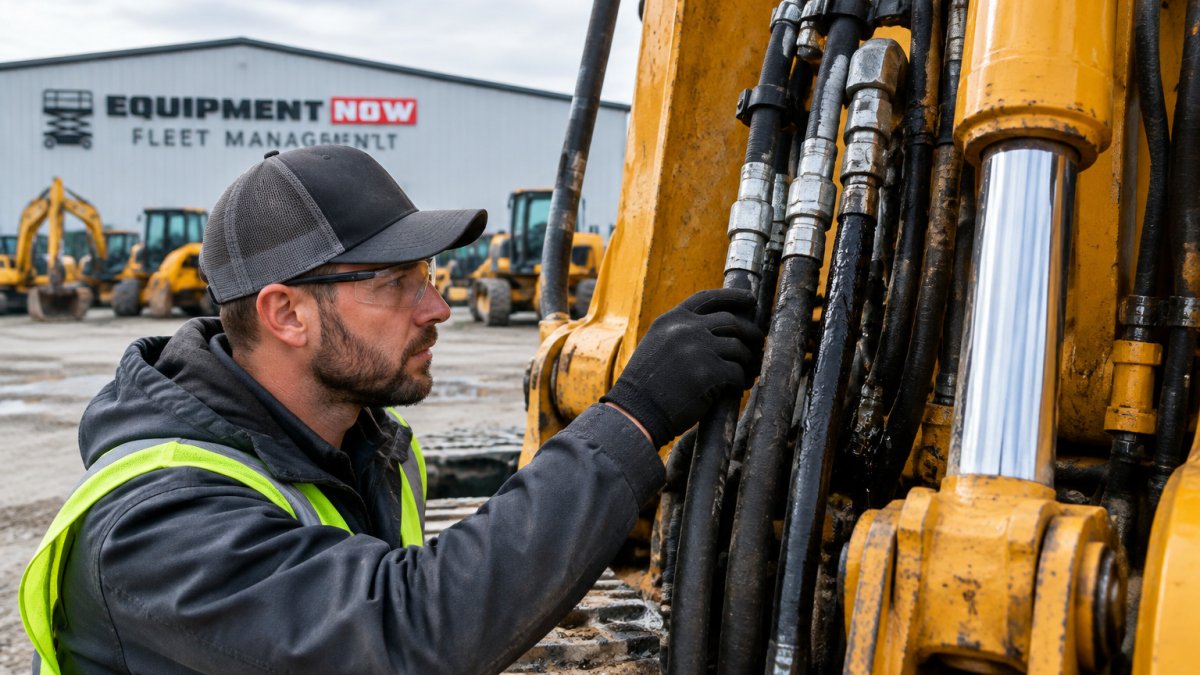
Water separator and filter maintenance. Construction equipment typically has a primary water separator and a secondary fuel filter. Drain the water separator daily or at each refueling, many operators skip this step, and it is the single most common cause of water reaching the injectors. Replace fuel filters at the manufacturer's interval, but also after any suspected contamination event. Keep a log of filter changes and water separator draining; this record supports resale value and helps identify recurring problems.
Fuel sampling and testing. Periodic fuel sampling from the tank bottom and from the dispenser catches problems early. A visual check for water, cloudiness, or dark particles is a start. For microbial growth, a simple field test kit (available from fuel testing suppliers) can confirm the presence of bacteria or fungi. For critical fleets, send samples to a lab for a full analysis including water content, microbial contamination, and fuel quality parameters. Document the results.
A safe field diagnosis sequence. When an operator suspects contaminated fuel, follow a step-by-step approach without disassembling the fuel system. First, stop the machine in a safe location and note the symptoms: hard starting, rough idle, loss of power, or a fuel filter warning. Second, check the water separator, drain a small amount into a clear container and look for separation or sediment. Third, inspect the fuel filter for clogging or visible debris. Fourth, draw a fuel sample from the tank drain into a clear container and let it settle; observe layers, color, and odor. Fifth, document everything with photos and notes. Do not attempt to remove injectors or open the high-pressure fuel system in the field; that requires qualified service. If contamination is confirmed, isolate the tank or fuel delivery source, preserve the sample, and schedule service.
Distinguishing contamination from other faults. Not every rough-running engine is a fuel problem. Air ingress (from a loose filter housing or cracked line) causes similar symptoms but often produces a surging idle and no visible fuel contamination. A clogged filter from dirt alone will show debris but no water or microbial slime. Injector faults may cause misfire without fuel contamination. Electrical or sensor problems can mimic fuel issues with warning lights. The field diagnosis sequence above helps narrow the cause before calling for service.
Immediate response and cleanup. If contamination is suspected, stop the machine to prevent damage to the high-pressure fuel pump and injectors. Preserve a fuel sample in a clean container for analysis. Isolate the tank or the refueling source to prevent further contamination. Do not run the engine to "burn it off", that spreads contaminants through the system. Seek qualified service to flush the fuel system, clean the tank, and replace filters. Document the event for maintenance records and for any warranty or insurance claim.
Fleet management software can track these tasks alongside other service intervals, so nothing gets missed. For tool-based tracking, fleet maintenance software overview offers examples of how service schedules can be organized.
Owners can also reduce risk by sourcing fuel from reputable suppliers and sampling fuel periodically. When problems are found early, the repair is usually smaller and the machine keeps its value. For fleets preparing equipment for consignment sale, a documented prevention program and clean fuel history are strong selling points that support a higher asking price.
Building Preventive Maintenance Into Your Fleet Plan
A consistent preventive maintenance program supports both operations and sales. Scheduled inspections, filter changes, and fluid checks keep machines running and create a clear service history. That history becomes an asset when it is time to sell.
Owners who want help setting this up can review the fleet management options on the Equipment Now Rental and Sales website.
Next Steps for Your Fleet
If you are deciding between an auction and a consignment sale, start by reviewing your fleet's maintenance records and recent fuel history. Equipment Now Rental and Sales works with owners to match each machine with the sale method that fits its condition and timeline. Get started with Equipment Now Rental and Sales to review your fleet and plan your next sale with confidence.
Frequently Asked Questions
What are the signs of contaminated diesel fuel in construction equipment?
The most common signs are hard starting, long cranking, engine hesitation, misfiring, rough or uneven idle, and a noticeable loss of power under load. Operators may also notice an unusual fuel odor or a cloudy or dark appearance in a fuel sample. Because these symptoms overlap with other engine faults, a field check of the fuel and filters is the fastest way to narrow down the cause before it leads to injector or pump damage.
Can dirty fuel damage injectors or fuel filters?
Yes. Water, sediment and microbial growth can clog fuel filters and water separators, restricting flow to the injectors. Abrasive particles and corrosion from water can also wear precision components in the fuel pump and injectors. Replacing a clogged filter early is far cheaper than repairing a damaged injector or pump, and it is a routine item in most preventive maintenance schedules.
How can construction crews prevent fuel contamination on the jobsite?
Store diesel in clean, sealed tanks with ventilation caps, keep tanks covered to limit condensation, and drain water from storage tanks on a regular schedule. Use clean containers and funnels when refueling, and buy fuel from suppliers that filter and test deliveries. Logging fuel deliveries and filter changes makes it easier to spot patterns before a machine goes down.
What should you do if you suspect contaminated fuel in heavy equipment?
Stop operating the machine if it is losing power or stalling, and avoid running it until the fuel has been checked. Take a fuel sample from the tank and the filter housing, inspect the water separator, and note the symptoms and operating conditions. Schedule a qualified technician to inspect the system before restarting. Dispose of contaminated fuel and filters according to local and state environmental rules.